
Most experts don’t see a housing market crash coming anytime soon, with big declines unlikely before 2025. Households are handling debt more wisely, and banks are lending differently now, almost like they’ve upgraded their old navigation tools. In fact, even the startling numbers suggest any price dip would likely be less than 2%, which really calms the nerves about a steep drop.
Still, there’s a bit of caution in the air. But with better financial habits and stricter lending controls, the outlook points to steady growth ahead.
Current Outlook on Will the Housing Market Crash

Experts don’t think we’ll see a big housing market crash before 2025. Households are in a better spot with stronger balance sheets and more careful borrowing habits. Even Chief Economist Mark Fleming points out that a 15% rise in national inventory is easing the pressure on rising prices. It’s like this: before we had modern tools, markets were a bit like a ship without a compass, stumbling through storms. Now, early-warning systems keep close tabs on mortgage issues and price swings so regulators can spot potential trouble early.
But caution is still in the air. Some analysts warn that if home prices drop suddenly, buyers who paid high prices might face underwater mortgages (where the house is worth less than the loan). Models suggest that even in a rough scenario, national price drops would likely stay under 2%. This balance of hope and risk shows that while extra inventory helps, the market’s strength really depends on fresh data and smart lending decisions.
Data also shows that households are managing their investments better than in past cycles. With healthier debt-service ratios and more secure finances, the big crash seems even less likely. Even when there are small hints of affordability issues, overall market numbers give a picture of steady, moderate growth.
Historical Crash Comparisons in the Housing Market

Back in 2008, the housing market took a hard hit. Loose subprime lending (giving loans to risky borrowers), too much borrowing, and weak checks on loans all played a part. Home prices fell by about 33% in just two years – the biggest drop since the Great Depression. It was like someone removed the strong base of a building, making everything shaky in an instant. Homes were seen more as financial assets, and risky loans pushed things into dangerous territory.
Federal help came in with housing subsidies, down-payment assistance, and a trick called quantitative easing (when the government buys assets to put money into the system). These actions helped steady the market. From that time, we learned that stronger money buffers and tougher loan rules are key. They can help avoid another crash and keep the housing market stable.
Some big lessons from 2008 were:
| Lesson | Description |
|---|---|
| Risky Lending | Giving loans without proper checks can lead to collapse |
| Strong Underwriting | Careful review of loans makes sure only safe loans are given |
| Capital Reserves | Keeping extra funds to absorb losses in tough times |
Looking back, this review shows us that smart rules and better money practices are a must. Think of it like a well-maintained bridge that stops accidents – strong safeguards can keep the housing market secure. These lessons still guide us today when we set safe lending standards.
Rising Interest Rate Impact on Housing Market Crash

The Fed’s tighter policies have sent 30-year fixed mortgage rates soaring from about 3% in 2021 to over 6% in 2023. This jump means buyers now have roughly 25% less spending power when shopping for median-priced homes. Imagine going to the store with a quarter less in your wallet, it makes you rethink every purchase.
Higher rates have also made banks more cautious. Credit standards are stricter now, so lenders check every detail before approving a new mortgage. It’s a bit like trying to cover 75% of your planned expenses; banks don’t want to take too many risks.
These rising rates put stress on the whole mortgage system. When interest climbs, families feel it in their monthly budgets, and even those already approved for a loan might find the payments harder to manage. This in turn slows down new mortgage approvals, making it tougher for first-time buyers or people with less strong credit to secure a home loan.
Some worry these shifts could signal a bigger crisis, but right now, any corrections seem limited to certain local areas rather than a national crash. Picture a neighborhood where homes are barely changing hands because prices have gotten too steep; it’s a small-scale adjustment, not a sweeping collapse.
Supply-Demand Dynamics Shaping Housing Market Crash Risks

In the first quarter of 2024, the housing market experienced noticeable shifts. Nationwide, the number of homes for sale increased by 15% compared to last year, the biggest jump since 2015. More homes available means less pressure on prices that were once climbing fast. Urban areas saw a 20% rise in inventory, while suburban spots grew by 8%. These changes are easing price pressures in many regions.
However, there's a twist. New single-family home constructions fell by 10% over the past year. This slowdown is mainly due to shortages in materials and labor. With fewer new homes built, the market refreshes more slowly, making supply sensitive to local demand.
There are a few key factors to keep an eye on:
- Inventory growth rates by region
- Delays in starting construction projects
- Regional rates at which new homes are sold
- Backlogs in permit approvals
Each of these elements impacts how quickly unsold homes turn into homes for new buyers. A balanced supply can help avoid wild price swings and protect both buyers and sellers.
| Region | Inventory Change | Price Growth |
|---|---|---|
| Northeast | +12% | 4.5% |
| Midwest | +18% | 3.2% |
| South | +10% | 5.0% |
| West | +15% | 4.0% |
It’s a bit like putting together a puzzle. When you look at inventory, construction delays, and absorption rates, you start to see the whole picture of how the market might behave. Have you ever thought about how one small change can ripple through the housing market?
Economic Indicator Review for Housing Market Crash Predictions

Right now, key economic signs are showing us hints about a possible housing market slump. The consumer sentiment index sits at 68, well below the pre-pandemic average of 80. This drop tells us that buyers are feeling cautious. Even though unemployment is low at 3.7% and GDP grows steadily at 2.1%, which brings some comfort during these shaky times, there are still concerns.
Housing costs are becoming more burdensome too. The price-to-income ratio has jumped from a long-term average of 3.8 to 4.5 now. Simply put, people are feeling the pinch as the cost of a home takes up a larger part of their budget. The housing affordability index also slid down from 140 in 2021 to 125 in the first quarter of 2024, which means buying a home is becoming tougher for many.
Trend models are warning us about a rise in mortgage delinquencies. This is an early sign that things might get even more shaky. Economic cycles, described in the "four phases of economic cycle" (for a simple breakdown, think of it like the stages of a roller coaster ride), help signal shifts that can eventually lead to a recession or impact property trends.
By keeping a close eye on these numbers, experts can better predict where the housing market might be headed. Each indicator adds a piece to the overall puzzle. They remind buyers to be careful while also pointing out areas where the market might steady if lending practices improve. All in all, these figures paint a clear picture that helps guide decisions and alert regulators to brewing risks.
Expert Forecasts and Model Projections on Housing Market Crash

New forecasts show that median home prices should jump by about 3–5% every year until 2026. Even if things dip, models suggest that any national drop would stay under 2%. Mark Fleming’s take reminds us that having plenty of homes available and steady demand really helps keep the market strong.
Fresh data also tells us that the household debt-service ratio has improved to 8.5%, down from a peak of 14%. Think of this ratio like a fiscal cushion, a safety net that makes each step feel more secure, much like a tightrope walker relying on a net. Predictive models now connect careful borrowing and good financial habits to a steady, gradual adjustment in home values, highlighting a more resilient market overall.
will the housing market crash – Bright Prospects
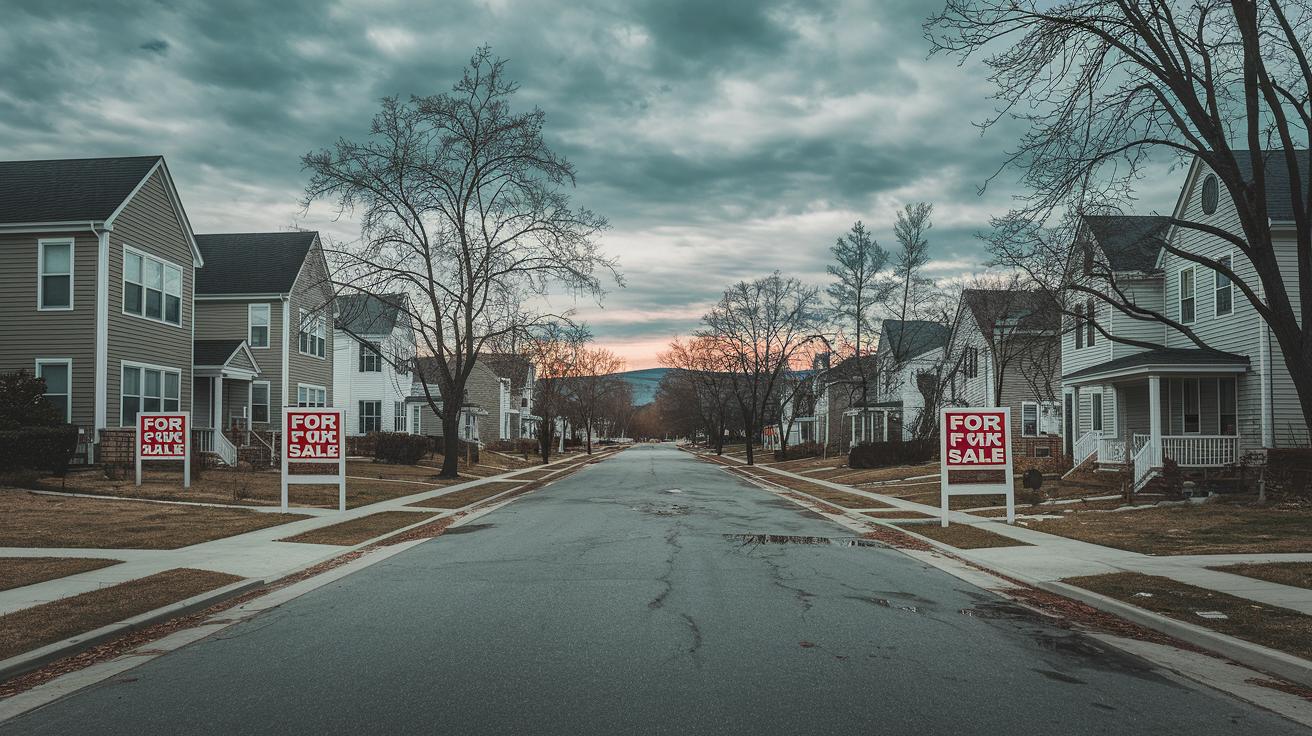
Right now, many people see houses more as investments than as cozy homes. With properties turned into financial tools, speculative buying has pushed home values way above what traditional measures would suggest. Years of low interest rates and constant money printing have inflated prices, sometimes making basic home value seem less important. In 2022, for example, homeowners borrowed $500 billion from their home equity, increasing household debt and shifting how we think about owning a home.
Some regulators are sounding the alarm. They’re noticing that new loans are coming with higher loan-to-value ratios, which means borrowers are risking more of their home's worth. Plus, more homes are now being bought as investments, and overall sales are slowing down, a mix that hints at hidden market problems. When you factor in the extra borrowing from tapping home equity, these signals remind us of moments right before past downturns. So, it’s important to watch credit rules and financial stability measures closely.
Top risk factors include:
- High price-to-rent ratios
- Rising loan-to-value (LTV) and debt-to-income (DTI) metrics (DTI shows how much of a household’s income goes toward debt)
- A growing number of sales to investors
- Slower overall home sales
- Increased borrowing against home equity
Keeping an eye on these factors can help us spot potential weaknesses in the market. Even if things appear stable now, a few small changes in buying or lending habits might eventually cause bigger shifts. It all means we need to stay vigilant and ready to adjust our financial strategies as the market evolves.
Final Words
In the action, we tracked crucial market trends, from rising interest rates to supply-demand shifts, while examining historical downturns and expert model projections. The analysis breaks down key factors like rapid inventory changes and mortgage system signals. This overview helps clarify whether will the housing market crash amid gradual price adjustments and enhanced early warning systems. Data confirms cautious optimism across indicators, leaving room for informed debate and thoughtful strategy. Stay curious and engaged as market insights continue to unfold.
FAQ
When will the housing market crash again Reddit?
The notion of a crash is hard to pin down, yet current analysis by experts suggests that a major crash is unlikely before 2025 due to stable household finances and monitored market conditions.
Will the housing market crash in 2025?
Predictions indicate that while regional variations exist, experts do not expect a sweeping national crash by 2025 thanks to balanced inventories and improved risk monitoring.
Will the housing market crash under Trump?
Forecasts focus on economic and market fundamentals rather than political figures, so current data does not support the idea that one particular presidency will trigger a market crash.
What are the real estate forecasts for the next 5 years?
Experts project modest annual home price gains of about 3–5%, supported by balanced supply-demand dynamics and improved early-warning systems monitoring market risks.
What happens to homeowners if the housing market crashes?
Homeowners might face lower property values and challenges like underwater mortgages, which occur when mortgage debts exceed home prices, putting homeowners at financial risk.
When will the housing market crash again in California?
Regional market dynamics in California can differ; sharp declines are not broadly expected as local inventory increases help ease upward price pressures.
Will the housing market crash after the election?
Some worry that political uncertainty could lead to market drops locally, but overall predictions remain based on economic fundamentals rather than election outcomes.
Is the housing market predicted to crash?
Current expert assessments lean toward minor, localized corrections rather than a nationwide crash, thanks to strong inventory management and cautious lending practices.
Will 2025 be a better time to buy a house?
Market conditions in 2025 may improve for some buyers, yet factors like regional inventory, credit standards, and personal finances all play key roles in deciding when to purchase.
Will housing prices go down if there is a recession?
In a recession, lower demand and tighter credit could lead to softer prices in many regions, though effects may vary depending on local market conditions and inventory levels.
Should I wait for the market to crash to buy a house?
Timing a market crash is uncertain, and waiting could mean missing steadier, gradual gains; a steady approach with current market assessments often proves more reliable.


