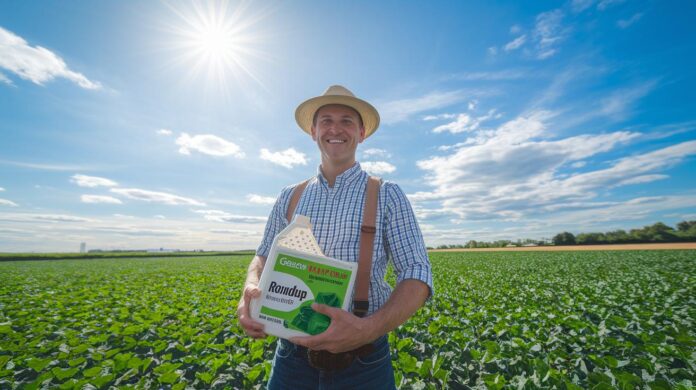
Could Bayer be ready to turn a new page in its long legal battle over Roundup? Recent court deals and new research are hinting at some positive changes that might shift the way this case moves forward.
Settlements in Missouri and some bold legal moves have many asking what the future holds. In this post, we break down the latest court decisions and studies that are making people question Roundup’s safety. Stick with us as we explore these updates and see if they could bring a fresh start to the ongoing disputes.
Latest Bayer Roundup Legal Bulletins and Live News Updates
Bayer is still fighting off claims that link Roundup to cancer. The company is pushing for changes in state pesticide laws to help stop lawsuits related to its products. In Missouri, things took an interesting turn when a lawyer requested Bayer’s internal records about a Roundup ad campaign. One lawyer even said, "We're looking into evidence of a misinformation effort, showing that past messages might have swayed public opinion."
In March 2025, after about four weeks of hearing testimony, Bayer settled a trial in Missouri. This mid-trial settlement is a big deal and might mean more similar deals in the future. Meanwhile, Bayer has asked the US Supreme Court to weigh in on a key question about what actually causes cancer, a decision that could shape ongoing litigation.
A new, independent study led by Daniele Mandrioli at the Ramazzini Institute is adding another twist to the story. The study found strong evidence that glyphosate-based herbicides (chemicals used to control weeds) may be linked to cancer. Imagine a scientist saying, "Our findings show a clear dose-response pattern, making it hard to dismiss the carcinogenic potential of these herbicides." It’s hard not to pause and think about the implications.
These updates, from courtroom settlements to groundbreaking research, show how the legal and regulatory landscape is changing for Bayer. Keep an eye on these developments as we continue to follow the ongoing debate over Roundup’s safety.
Settlement Update on Bayer Roundup Herbicide Litigation Timeline

In March 2025, Bayer reached a settlement midway through a trial in Missouri after four weeks of testimony. This step is seen as important in the ongoing herbicide case, and the company noted that settlement checks will be mailed in Q3 2025. Many view this as a positive sign that multiple claims related to Roundup use are moving toward resolution.
Bayer has also launched a new digital settlement platform to make the claim process easier. Now, claimants can upload documents like medical records and affidavits directly through an online portal. One claimant even said, "Accessing the digital platform made filing my claim much more straightforward – just like turning on a light in a dark room." This simple, online method is set up to speed up the mailing of checks and smooth out the release of funds.
The amount awarded to each claimant depends on factors such as case severity and the level of documented exposure. Average payout estimates vary a lot, so each case is looked at carefully.
| Event | Date/Timeline |
|---|---|
| Mid-trial Settlement in Missouri | March 2025 |
| Settlement Checks Mailing | Q3 2025 |
Bayer Roundup Court Case Progression and Litigation Risk Analysis
Trials in California, Missouri, and on the federal multidistrict docket are all adding new twists to Bayer’s legal story. In California, heated debates about chemical exposure are building a strong case record, while in Missouri, the outcomes show just how much witness testimony can sway a jury. Over on the federal front, every ruling is met with anticipation, as if each decision is a clue in a bigger puzzle of liability.
Bayer is trying out several defense moves. For example, they’ve asked to seal some internal emails to protect sensitive information during these legal battles. At the same time, they’ve petitioned the Supreme Court to review the standards used to decide liability in cases like these. One lawyer even mentioned that our industry is at a crossroads where every decision might change the future of such disputes.
Analysts are keeping a close eye on risks and the chances that a plaintiff might win. Experts explain that the final outcomes will depend on how key pieces of evidence are seen and on the records of chemical exposure. They often look back at similar rulings to guess how likely it is that plaintiffs succeed, focusing on how bad the health effects were and the documented history of glyphosate exposure. With every new ruling, we get another piece of the puzzle that could shift how future cases are judged.
Regulatory Compliance Update and Safety Scrutiny for Bayer Roundup
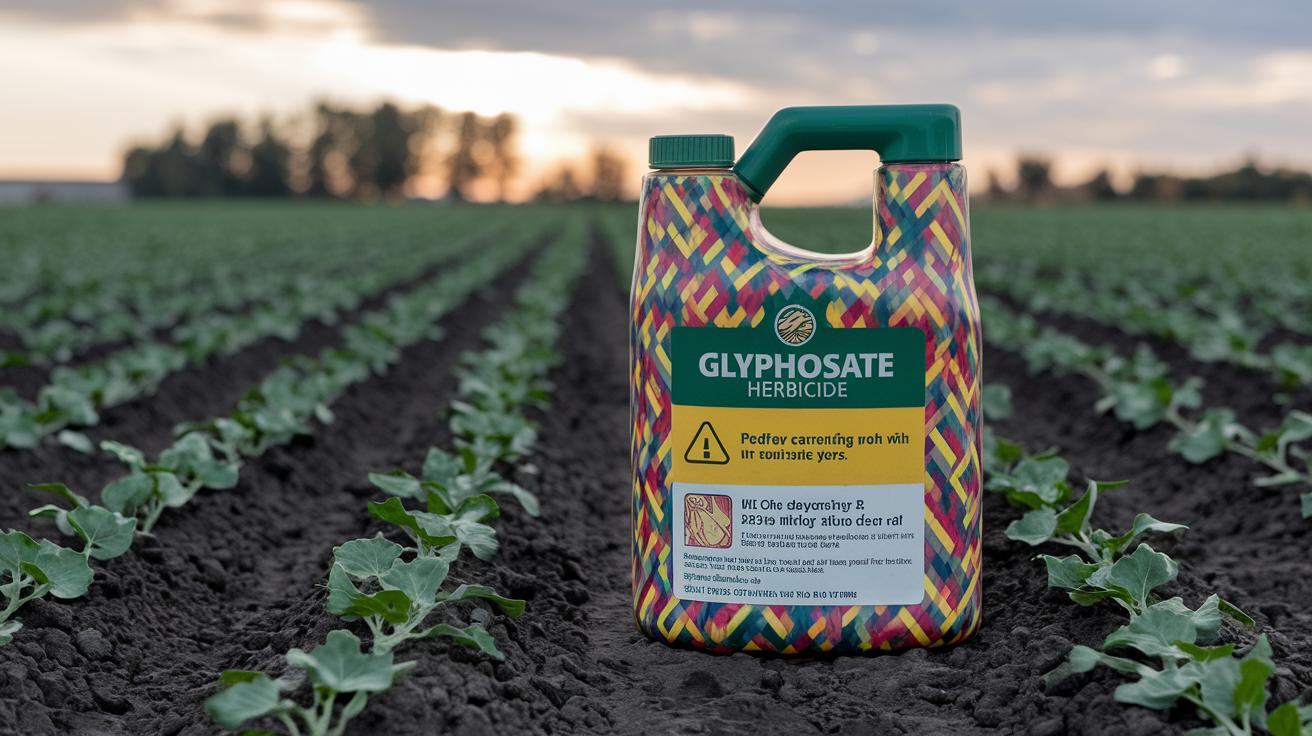
Federal agencies are changing the way glyphosate-based herbicides are kept safe. The EPA now proposes new warnings on glyphosate labels to help people easily understand the risks. At the same time, many EU countries continue to approve these products even as local communities ask for stronger safety steps. Meanwhile, several states are working on new pesticide laws to reduce lawsuits over Roundup, trying to balance farming practices with health concerns.
This new look at regulations sparks a bigger talk about safety. The updated labels offer clear instructions on how to handle and use these herbicides properly. This means both farmers and home users can lower the risk of exposure. At the state level, stricter legal rules may also slow the rising number of lawsuits. Some see these changes as a win for both agriculture and consumer protection.
Environmental lawsuits also play a big role in these decisions. Lawmakers and agencies are watching what happens in court closely. This careful observation could change how glyphosate products are sold and how their risks are shared with the public. Overall, these new rules add another layer to the safety discussion around Roundup, mixing scientific checks with legal guidelines in a clear, human way.
Scientific Study References and Cancer Risk Investigation in Roundup Debate
Daniele Mandrioli and her team at the Ramazzini Institute recently uncovered compelling evidence that glyphosate, a chemical used in many herbicides, might be linked to non-Hodgkin lymphoma and multiple myeloma. Their research, which looked at various exposure levels, showed that even small increases in glyphosate can lead to noticeable health risks.
One of the researchers explained, "Our data show that higher exposure levels come with a greater risk of these cancers." This clear link between increased exposure and rising cancer risks has become a key point in both scientific discussions and legal debates.
The study’s approach now serves as an important reference for shaping regulatory reviews and legal arguments, proving that solid, data-driven research is essential when setting public health policies.
For example, think about this surprising fact: before becoming world-renowned, Marie Curie used to carry test tubes of radioactive material in her pockets, completely unaware of the danger. This kind of unexpected detail reminds us how early insights can eventually shape our understanding of health risks.
Bayer Roundup News: Positive Updates Ahead
Top toxic-tort lawyers have shared their thoughts on Bayer’s Supreme Court plan. One expert explained that Bayer is carefully handling a huge number of lawsuits while keeping up with changing legal rules. Many believe that a strong decision from the Court could set clear guidelines for future cases.
Bayer leaders are standing firm in their belief that their products are safe. They back up their claims with deep research and thorough regulatory checks. This message has struck a chord with many farmers who see Bayer’s products as a boost to productivity. On the flip side, environmental groups have mixed feelings, with some appreciating Bayer’s push for better rules and clear communication. Lawyers for those filing lawsuits are also watching these changes closely, thinking that any step toward clear rules might help everyone.
Panels that monitor legal and policy changes say these recent moves could change how the industry operates. They believe that a clear legal framework could lead to better product regulation and more public trust. This hopeful view has many stakeholders eagerly anticipating new and improved rules.
Impact on Farming Communities and Pesticide Liability Analysis for Roundup
Farms are feeling the squeeze from rising litigation fees and settlement costs. Farmers are now paying extra for legal fees, and these added expenses can really pinch their daily budgets. This sometimes means they have less money for things like crop planning or buying new equipment. There’s also worry about glyphosate (a common herbicide) liability, and many are concerned that more lawsuits could mean even higher costs down the road. One mid-sized dairy farm even switched up its practices after a local court decision made them rethink their long-term plans.
More farmers are turning to different ways to handle weeds. Instead of relying on old herbicides, many are exploring safer options. Some farms now use mechanical weed control or plant cover crops that naturally keep weeds at bay. One grower said the change felt like “finding a new rhythm” in daily work, helping secure a steadier financial future.
Farm safety is becoming a top concern, too. Producers are weighing the benefits of safer, less risky methods against the costs of potential legal issues. This trend is slowly reshaping farming practices, especially in areas where pesticide liability has been a real worry.
Digital Settlement Platform and Eligibility Criteria for Roundup Claimants

Bayer’s online portal brings everything together in one clear view. If you're filing a claim, you simply need to confirm your diagnosis date and show proof of glyphosate exposure (that’s when you came in contact with glyphosate). You’ll also need a verified case classification with supporting evidence.
The new system is easy to use. Interactive dashboards walk you through each step, and a handy online guide makes sure every document you upload is matched with the right claim.
To file your claim, you just need to:
- Upload your medical records that confirm glyphosate exposure.
- Attach affidavits that share your personal experience.
- Provide organized proof of glyphosate usage.
After you submit your claim, the portal gives you a clear timeline showing when your claim will be reviewed, verified, and when you can expect any disbursements. This update makes finding eligibility details and instructions much simpler, all in one place without repeating old information.
Final Words
In the action, this article navigated key updates on legal vouchers and settlement milestones in the Bayer Roundup arena. We explored recent court developments, regulatory reviews, and scientific studies that help explain the unfolding narrative. Expert opinions and impacts on farming practices also found their place, offering a clearer picture for our readers. Every detail in bayer roundup news serves as a reminder that informed discussions can spark greater clarity and progress. Positive strides forward keep the dialogue open and focused on real-world challenges.


