
Have you ever wondered who picks the issues behind our tax laws and government spending? Congress, the White House, and money experts (people who study economics) all share the job of shaping the rules that guide our finances.
They spend time debating and reviewing each idea before deciding where public funds should go and which issues need attention. In this article, we break down the whole process, from committee votes and budget plans to expert advice, that helps set these priorities.
Every decision here touches our daily lives. And understanding how it all works might just change the way you see our government’s role in everyday money matters.
Actors Determining Which Problems Are Addressed by Fiscal Policy
Congress, the White House, economic advisors, and lobbyists all help decide what gets addressed in fiscal policy. In Congress, members hold committee hearings and cast floor votes to choose which matters end up on the policy table. For example, when lawmakers debate extending the 2017 tax cuts, you really see firsthand how they shape spending plans. One representative remark captured this well, pointing out that when Congress considers adjusting corporate tax rates, it shows a deep concern for keeping the economy balanced.
Over in the executive branch, the White House sets its priorities through annual budget proposals. These plans spell out spending targets for areas such as defense, health, and infrastructure. Along with these proposals, executive orders and administrative rules, issued by agencies like the Treasury and OMB (Office of Management and Budget), help fine-tune these priorities. This means that even without new laws, choices on things like tax reform or limits on state and local tax deductions continue to change.
Economic advisors and experts play a key role too. They review reports and cost estimates from groups like the Congressional Budget Office to gauge the impact of proposals, such as reintroducing the debt ceiling or making $2.5 trillion in mandatory spending cuts. Their careful evaluations give policymakers the solid data they need to decide which fiscal challenges need urgent attention.
All these players work together, often using tools like the Bloomberg Government platform to stay updated on real-time financial news and upcoming economic trends.
Legislative Bodies Shaping Fiscal Policy Problem Selection
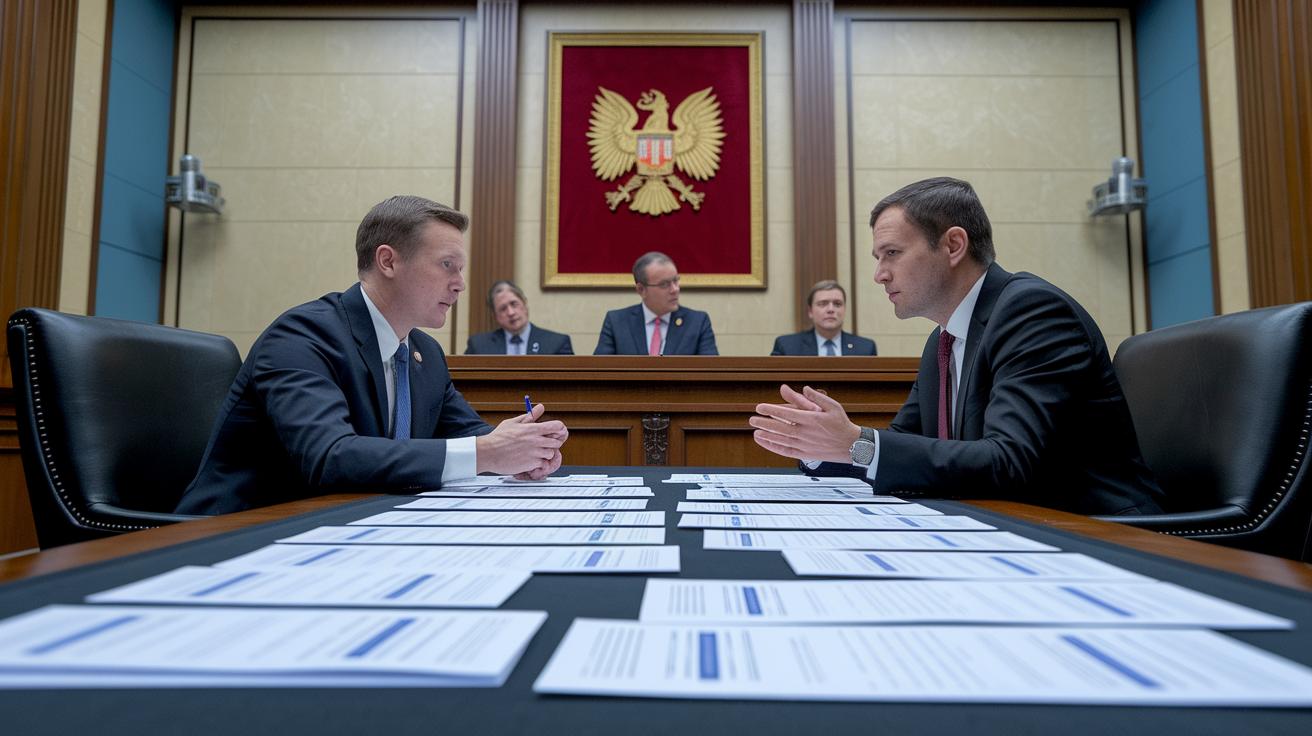
Congress plays a big role in choosing the fiscal issues that hit the agenda. Every year, lawmakers work hard on drafting 12 regular appropriations bills through budget resolutions and committee meetings. They need to finish this work by around March 14 to avoid a government shutdown. For example, when deciding whether to extend the 2017 tax cuts, legislators get into detailed talks about making them permanent. They even discuss ideas like lowering corporate tax rates to 15% and adjusting limits on state and local tax deductions.
Inside this process, committee hearings let lawmakers dig into the nitty-gritty of each proposal. They listen to experts, look over economic forecasts, and consider how spending might be affected. Then, during floor debates, these insights are shared with everyone in the chamber. There, representatives vote on which issues should move forward. Sometimes, you’ll even see the House deep in talks over plans that propose $2.5 trillion in mandatory spending cuts. These formal debates and votes show how elected officials balance economic goals with domestic needs using clear, public finance strategies.
This system shows how representatives can prioritize challenges affecting both short-term funding and long-term fiscal stability.
Executive Branch Influence on Fiscal Policy Problem Priorities
The White House plays a central role in guiding fiscal policy by presenting annual budget plans and issuing executive orders. These moves set clear spending targets in areas like defense, healthcare, and infrastructure. For example, a recent executive order sped up the environmental review process for energy projects. Before, these projects could be stuck in review for months, but now they get approved much faster. This approach shows a clear shift in priorities and lets the administration quickly change course without needing new laws.
At the same time, agencies such as the Treasury and the Office of Management and Budget carefully adjust existing rules, like those for state and local tax deductions. These tweaks help address financial challenges promptly while staying within the established legal framework.
Economic Experts and Advisory Panels Guiding Fiscal Problem Identification

Economic advisors, including folks at the Congressional Budget Office, mix detailed cost estimates, revenue forecasts, and market trends to weigh different fiscal ideas. They use tools like Bloomberg Government (which keeps track of real-time legislative info) to monitor changes and gather clear insights on tax reforms and spending proposals.
They focus on:
- Checking up on cost estimates for spending ideas
- Weighing revenue projections across different policy choices
- Breaking down tax reforms with straightforward, number-backed details
By turning raw data into simple strategies, these experts help guide discussions on the risks and benefits tied to various economic moves.
Political and Social Factors Influencing Fiscal Policy Problem Choices
Politics and the way people interact out in society really shape which money topics get the spotlight. A predicted GOP win in 2025 has lawmakers focusing on tax cuts and spending plans that lean toward conservative ideas. Imagine a GOP committee pushing hard to make tax cuts permanent. Before long, these talks can lead to major changes in budget plans that clearly show a partisan tilt. The news only adds fuel to the fire by covering hot issues like immigration and border security, which sometimes turns local worries into national priorities.
Big interest groups also have a big say. Business and labor groups work hard to sway lawmakers by lobbying for things like keeping SALT deductions or increasing support for social programs. Their organized efforts and public pressure often decide where money goes and what might be cut.
Key factors include:
- Political alignment that directs policy plans
- Media focus on certain community issues
- Strong lobbying from both business and labor groups
As public opinion shifts, communities get more involved. Through their campaigns and media influence, everyday voices help decide which fiscal challenges come first.
Procedural Frameworks for Prioritizing Fiscal Policy Challenges

Reconciliation instructions go beyond simply tweaking spending and revenue – they also fine-tune mandatory expenses. For instance, lawmakers once adjusted healthcare funding using these guidelines when revenue projections changed. It’s like a quiet behind-the-scenes shift that refines spending priorities as events unfold. This usage shows how official rules can lead to noticeable changes, setting them apart from everyday budget proposals.
Key steps in this process include reviewing the President’s budget request, drafting budget resolutions in both the House and Senate, and issuing reconciliation instructions to adjust spending and revenue. Next, subcommittees work on detailed appropriations bills, all while keeping an eye on deadlines such as the March 14 continuing resolution.
| Step | Description |
|---|---|
| Budget Request | The President’s outline of spending priorities and future projections |
| Budget Resolution | A legislative plan that sets overall spending limits |
| Reconciliation Instructions | Guidelines that let lawmakers adjust mandatory spending and revenue, aligning policy needs with available funds |
| Appropriations Bills | Detailed funding measures developed by subcommittees |
This closer look at reconciliation instructions highlights how they create specific fiscal adjustments that go further than the basic steps outlined in other sections.
Historical and Global Perspectives on Fiscal Policy Problem Selection
Looking back, U.S. fiscal policy has changed over time as the nation faced tough economic times. For example, efforts to stretch the 2017 tax cuts and add spending limits show how priorities shifted when dealing with debt issues. When major fiscal pressures hit, both Congress and the president would step in to tweak spending plans. Bloomberg Government’s world network even shows that debt-ceiling talks in the Americas have a lot in common with debates happening in Europe and Asia.
Around the globe, many advanced economies plan budgets over several years. Some even invite the public to join in setting spending priorities, a process known as participatory budgeting. This stands in contrast to how things usually work in the U.S., where lawmakers and the president make most of the calls. Over time, as different countries have changed their approach to budget criteria, there are clear lessons on managing fiscal challenges while public expectations keep evolving. It’s fascinating to see how historical case studies in the U.S. echo wider global trends in solving economic puzzles.
Final Words
In the action, the post examined how legislators, the executive branch, and expert panels shape fiscal priorities. It broke down processes from detailed budget resolutions to the interplay of political and social influences. Each actor plays a part in deciding who decides what problems should be addressed through fiscal policy. This overview offers a clear picture of the steps and reasoning behind setting fiscal challenges. The discussion leaves us with a sense of optimism, knowing that informed decision-making continues to drive our financial future.
FAQ
Who decides what problems should be addressed in fiscal policy?
The decision on which fiscal issues to tackle is made by lawmakers, executive officials, and economic advisors. They review data and public input, while interest groups also share their views.
Who is primarily responsible for implementing fiscal policy?
Implementation and enforcement of fiscal policy generally fall to federal agencies, such as the Treasury and regulatory bodies, which execute policies as guided by legislative and executive leadership.
How does the media influence public policy?
The media shapes public policy by spotlighting fiscal issues and framing debates, which helps lawmakers and the public focus on key topics during legislative discussions.
What are the three steps governments follow to create public policy?
Governments usually start with identifying issues, then develop and pass legislation, and finally implement and enforce the new policy through established legal channels.
How do officials identify problems that public policy can address?
Officials use data analysis, constituent feedback, and expert reports to pinpoint societal challenges, which then guide decisions on what issues to include in the policy agenda.
How can individual citizens influence public policy?
Individual citizens make a difference by voting, contacting representatives, and participating in public forums to share their opinions and shape the political agenda.


