
Have you ever wondered why some candidates earn our trust more than others? Voters tend to back leaders who have real-world experience and a strong track record of getting things done. It’s not about flashy promises, but about showing up again and again with dependable work.
In this piece, we’ll take a closer look at how clear decision-making and local successes help build a candidate’s credibility. Have you ever noticed that sometimes the smallest, genuine actions make a big difference at the ballot box?
Stick with us as we explore how trust and steady performance play a big role in our voting choices.
Primary Reason Voters Choose Political Candidates: Credibility and Trustworthiness

Voters really care about whether a candidate is trustworthy. They don’t just listen to promises, they want to see real leadership and solid experience. Think about a candidate who always backs local projects and shows clear, hands-on judgment. That kind of reliability builds real public trust. It’s like choosing someone with a proven track record instead of just appealing words.
When figuring out if a candidate is reliable, voters check debates, interviews, and public records. They look at past work and weigh the details of policy plans. For example, if a candidate’s claims are backed up by success in previous roles, people tend to trust them more. This careful look helps make sure that what they say really matches what they have done.
It also helps voters if they can spot when things are being twisted. Sometimes, politicians use quick insults or harsh language to distract from the real policies. Recognizing these tricks lets people focus on clear facts instead of flashy talk. In the end, it’s all about choosing leadership that’s based on real ability and solid action.
How Policy Platform Consistency Shapes Why Voters Choose Political Candidates

When a candidate sticks to the same ideas and proposals over time, whether in speeches, debates, or written statements, it shows they stand by their beliefs. This consistency builds trust because voters see that the candidate isn't just changing positions on a whim. It’s like putting together a puzzle where every piece fits perfectly, assuring us that the promises made are genuine.
People naturally support candidates who seem to share their own core values. When a candidate’s policies match a voter’s long-held beliefs, the choice feels clear and straightforward. This clear connection makes it easier for voters to bypass confusing details and make decisions quickly. It’s a simple, reliable bond that cuts through the noise.
Many voters keep track of promises by paying close attention to public statements and policy documents. They listen to debates and compare speeches to check if what a candidate says really matches what they do. Over time, these careful comparisons give voters a clear idea of a candidate’s true commitment. This hands-on review helps create a campaign that’s much more transparent and accountable.
Why Voters Choose Political Candidates Based on Party Loyalty and Ideology

Many voters lean on party loyalty as an easy shortcut when making their choice at the polls. They see a familiar party badge and feel a sense of comfort, much like choosing a trusted brand. It tells them the candidate likely stands for values they already know and trust. This simple signal saves them from combing through countless policy details when the race is packed with options.
In the same way, shared beliefs play a big role. When a candidate’s views match a voter's own ideas, the choice becomes a lot clearer. Instead of digging into every policy twist, voters feel confident that the candidate will deliver outcomes that line up with their core values. This kind of reassurance helps many back the candidate who not only promises familiar ideas but consistently promotes them.
When Voters Choose Political Candidates for Charisma and Leadership Qualities

Today, many voters base their decisions on more than just policies, they often look for that personal spark. In a crowded race, candidates who can connect on a real, emotional level really stand out. People want leaders who mix passion with calm confidence, especially when facing tough questions. In short, voters appreciate a blend of genuine personality and proven skill.
Charisma Influence
There’s something special about a candidate who can make you feel at ease with a warm smile or a confident tone. It’s a bit like having a favorite teacher whose engaging style makes every lesson a joy. When a candidate exudes charm, undecided voters might lean toward them simply because they feel seen and understood. That connection builds hope and trust, even when the details of policy might be hard to grasp.
Leadership Qualities Appraisal
When it comes down to leadership, voters really notice how a candidate handles pressure. You know, watching them in debates or interviews where every answer matters can reveal a lot. If they stay clear, honest, and composed under fire, it gives a strong signal about their true leadership potential. And polls often capture this mix of charisma and competence, letting people see who might actually get things done. It’s all about looking past the promises to find the real deal.
How Media Portrayal and Campaign Rhetoric Affect Why Voters Choose Political Candidates
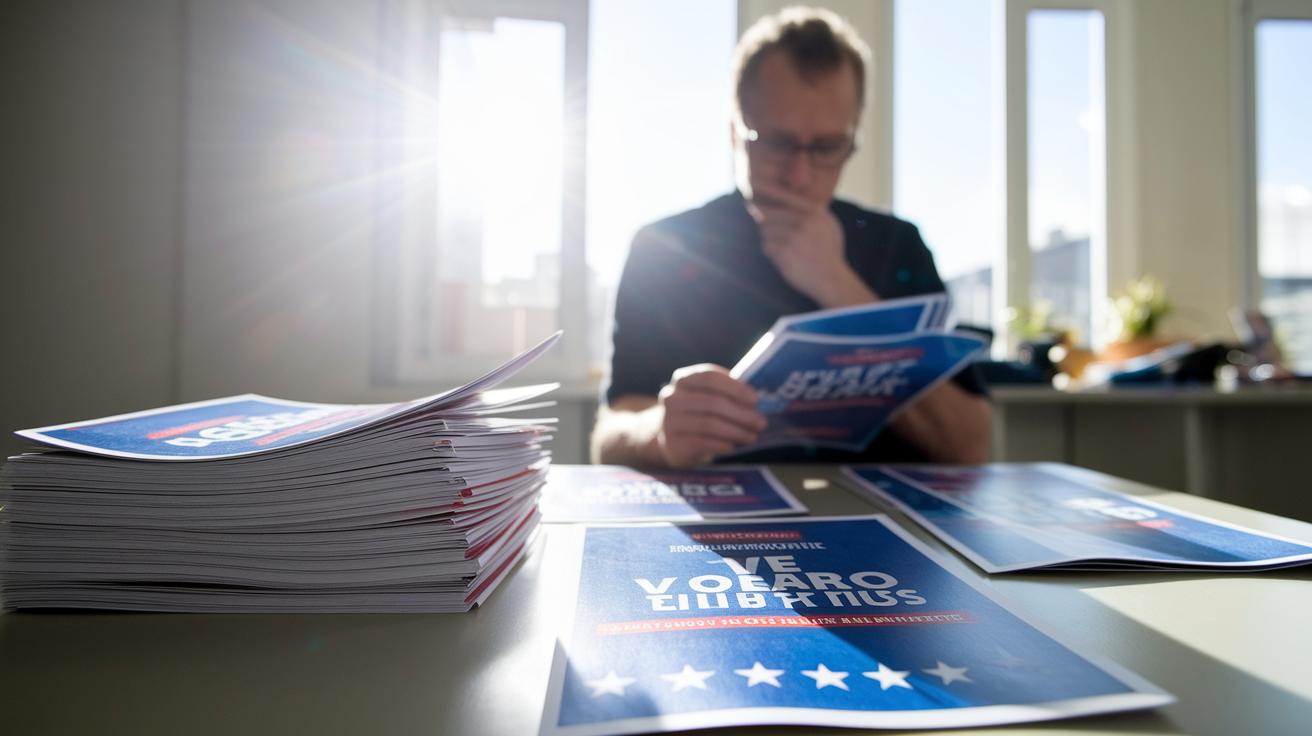
Media plays a big role in shaping how we see political candidates. Pictures, video clips, and on-air talk work together to give us strong impressions, sometimes even stronger than the cold, hard facts. Campaign teams use these tools to mix heart-tugging feelings with bits of serious information. When you see a lively debate or a striking image, it builds a story that might make you trust or doubt a candidate’s abilities.
Here are some common tricks used in campaigns:
- emotional appeals
- repetition
- framing
- fear appeals
- testimonials
- catchy slogans
To really know what’s up, voters should dig deeper than just the surface flash. It helps to compare a candidate’s promises with their past actions and clear policy plans. When you balance the showy language against real achievements, you can tell if a campaign is leaning too much on feeling over facts. In doing so, you end up making decisions based on solid information, and that makes our democracy stronger.
Reasons Voters Choose Political Candidates: Local Issues, Endorsements, and External Influences
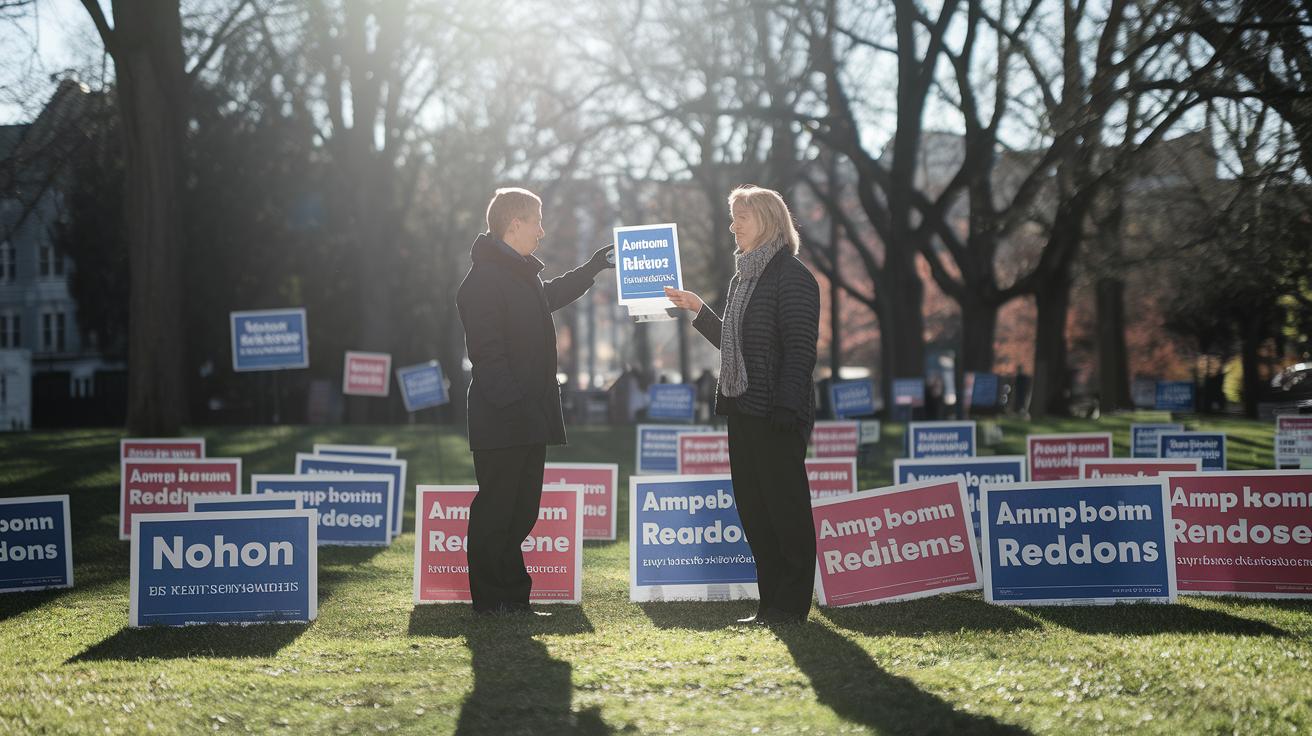
Voters care most about issues that hit close to home. They check out things like public services, education, and neighborhood safety to see if a candidate really understands what their community needs. By focusing on these local concerns, candidates show they’re ready to solve problems that matter.
Endorsements also count a lot. When trusted community leaders or groups step forward to support a candidate, it boosts the candidate’s credibility. Voters who aren’t completely sure often lean toward someone with a strong recommendation. For more on why political endorsements are so important, see why are political endorsements important.
Money matters too. Many voters dive into campaign contributions to figure out if rich backers could be swaying a candidate’s plans. They use these details to decide if outside money may be steering policies in a different direction. If you’re curious about how money can shape politics, check out how does money influence politics.
Final Words
in the action: This post examined how candidate credibility, consistent policies, party loyalty, and leadership charisma come together in shaping voter choices. It highlights what is the main reason voters choose political candidates, genuine trust rooted in clear, honest values and reliable performance.
Each section broke down how each factor plays a role in informed decision making. This balanced look at voter selection encourages thoughtful discussion and promotes a hopeful, engaged political dialogue.
FAQ
Q: What is the main reason voters choose political candidates according to Quizlet and Brainly?
A: The main reason voters choose political candidates is their credibility and trustworthiness. They look for reliable leadership and consistent policy positions before casting their vote.
Q: What does the US government help regulate?
A: The US government helps regulate commerce, public health, and safety. It establishes rules for businesses and ensures industries meet standards that protect consumers and the community.
Q: Which practice is not an effective way for people to influence government policies?
A: Using harsh language like name-calling is not an effective way to influence government policies. It tends to divide opinions rather than encouraging productive dialogue on important issues.
Q: State governments must follow which type of laws?
A: State governments must follow both federal laws and constitutional principles. Their decisions and policies need to align with the broader national standards set by the US Constitution.
Q: In the US government, citizens play a key role in what?
A: Citizens play a key role in shaping government decisions by voting, engaging in public debates, and holding their elected officials accountable through their active participation.
Q: The part of the US government that carries out laws is the?
A: The part of the US government that carries out laws is the executive branch. It is responsible for enforcing laws through various agencies and the leadership of the president.
Q: Which statement best describes the two main functions of US government?
A: The two main functions of the US government are to make laws and to carry out laws. This means creating policies and ensuring they are implemented and followed across the country.


