
Ever noticed that a small change in what people buy can hint at a bigger shift in the market? Businesses watch everyday purchase habits to catch clues about which way industries are moving. By keeping an eye on these trends, companies can be ready for what comes next. In plain language, this article shows how simple details can turn into smart insights that guide major decisions.
Market Trends Explained: Definition and Key Attributes
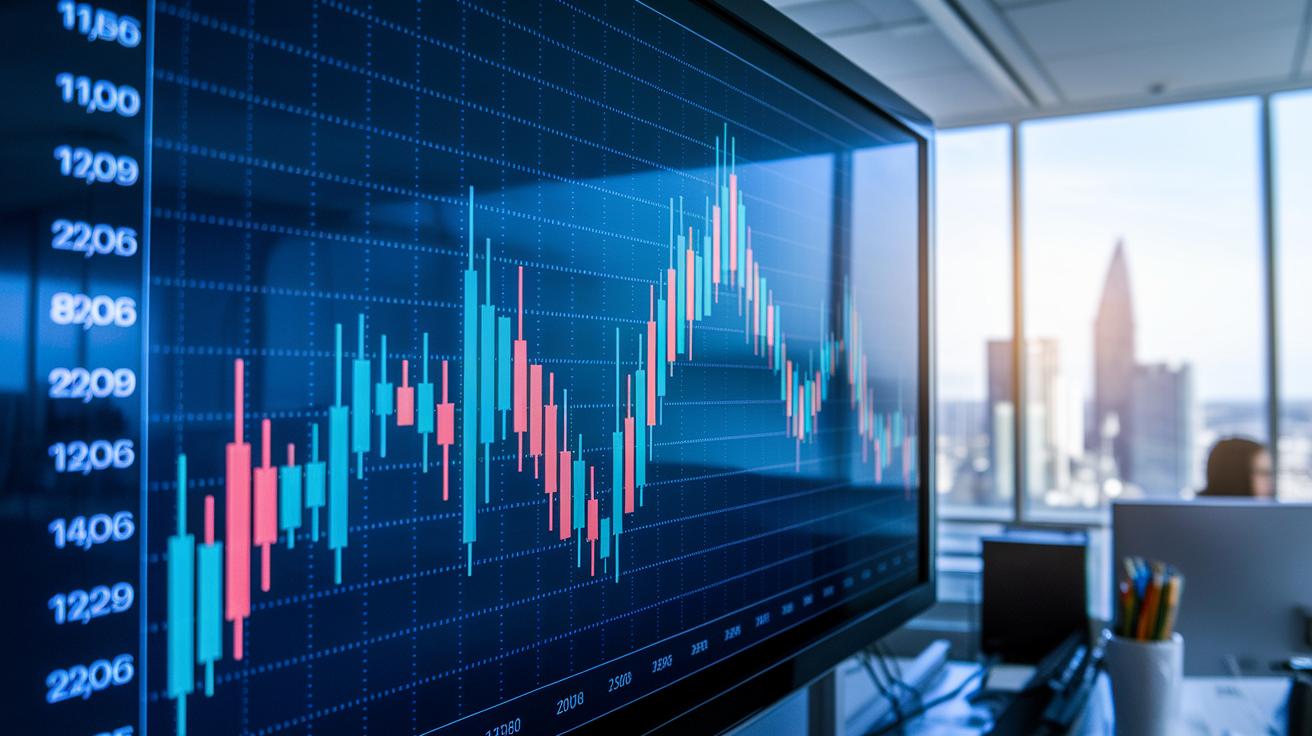
Market trend analysis is all about looking at patterns in data and changes in a specific industry to predict what might happen next and better understand how people shop. Think of it like watching a small store notice more customers buying online, it hints at a bigger shift towards digital shopping. This simple look at both the broad view and tiny details helps businesses and investors get ready for the future.
Trends can vary a lot. Some build slowly over the years, while others change day by day or quarter by quarter. Big-picture factors, like overall economic health (macroeconomic indicators, which are simple signs of how well an economy is doing), shifts in what people like, and new technology, mix together to drive these changes. Sometimes, a sudden jump in online searches for a product tells you that it’s becoming popular. It’s like catching a signal that a new trend is on the rise.
Knowing these trends is key for making smart choices. When companies learn which changes are here to stay and which might disappear quickly, they can plan ahead and keep their edge in a fast-changing market. By staying alert, businesses can respond to what’s hot now and be ready for what comes next, keeping them competitive every step of the way.
What are market trends: Smart Insights

Market trends shape how businesses run across many industries. Everyday changes, like shifts in how people spend money or the growing use of digital tools, give us clues about where different sectors might be headed. For instance, if you notice a sudden rise in mobile ordering at a nearby shop, it could be a sign that many people are moving toward digital shopping for everyday convenience.
In both the UK and the US, there's been a clear jump in ordering groceries online. More and more consumers are trading in-store trips for the ease of digital orders, which is changing how they shop. Think of it like watching a community gather around an innovative food truck, when you see a rapid shift to online grocery platforms, it often signals that convenience is taking the lead.
Inflation is also stirring things up for shoppers. Different age groups are feeling its impact in their own ways. Younger consumers, for example, are focusing more on essentials rather than splurging on luxuries as prices climb. When you see younger shoppers cutting back to cover basic needs, it really shows how rising costs are shifting buying habits.
There's also buzz around new products and innovations. Some forecasts highlight 11 leading pet products for 2025-26, while other studies point out 44 products that could soon win big in the market. At the same time, beauty industry numbers for 2025 keep updating to reflect even the tiniest changes in how people spend on personal care. Each of these trends gives us a window into how different sectors are adjusting to meet changing customer needs and tougher competition.
Drivers of Market Trends: Economic, Technological, and Behavioral Forces
Market trends come from many forces working together to change the way industries grow and adapt. Economic factors like GDP growth, inflation, and consumer confidence set the overall tone for market movements. For instance, when inflation rises, you might see people leaning toward buying everyday essentials instead of luxury items.
Technology plays its part, too. Tools like Google Trends, Statista, and BuzzSumo offer real-time snapshots of market data. AI-powered platforms, such as ZinklarAi, help forecast trends by breaking down complex information. Plus, surveys and social media analysis reveal shifts in consumer tastes and demand. Imagine a local diner watching social media chatter to spot which new dish might win over customers.
| Driver Category | Description | Example Tools/Data |
|---|---|---|
| Economic | Numbers like GDP, inflation, and consumer trust set the overall market mood. | Inflation rates, GDP reports |
| Technological | Digital tools and AI help track trends and deliver real-time insights. | Google Trends, Statista, ZinklarAi |
| Behavioral | Feedback from surveys and social media shows how consumer demand is shifting. | Social media analytics, customer surveys |
These forces work hand in hand, each one boosting the effect of the others. When economic signals mix with smart technology and current behavioral feedback, businesses get a clear, full picture. This comprehensive view makes it easier to adjust strategies and uncover new opportunities.
Measuring and Monitoring Market Trends: Metrics and Tools

Understanding market trends starts with watching key numbers that show how consumers behave. Search-volume indices give you a quick peek at how often words or phrases are being looked up online, a bit like checking the pulse of digital interest. Sentiment analysis scores tell you how people feel about different topics, while sales-velocity data shows how quickly items are being sold. Social-engagement rates, like likes or comments on posts, provide instant hints on what the public cares about. Think of search-volume indices as the early buzz, like spotting a sudden surge in searches for "smart home devices" before they hit mainstream popularity.
Popular tools take much of the guesswork out of this process. Google Trends, for instance, gives real-time insight into search interest, highlighting topics that are suddenly in the spotlight. Statista breaks down market data into easy-to-understand reports, and BuzzSumo checks which content is really striking a chord across social media. Even better, predictive analytics uses this data to forecast future trends so companies can plan ahead. It’s like having a roadmap that helps a creative team adjust their campaign as new patterns emerge.
Sometimes, mixing in big-picture economic numbers makes the whole story clearer. Numbers like PMI (a measure of business activity), consumer-confidence indices, and CPI (which shows changes in prices) add extra layers of understanding. When you blend these with digital metrics, you get a well-rounded view of the market. Imagine a dashboard that shows both real-time social activity and broader economic signals, a practical guide that helps businesses tweak their strategies as consumer habits change.
Forecasting Strategies and Strategic Implications of Market Trends

Forecasting starts by setting clear, measurable goals and gathering both numbers (quantitative data) and personal insights (qualitative data). Think of it as moving beyond just a gut feeling. For instance, a business might say, "We want to boost our online sales by 15% next quarter," which gives everyone a tangible target to work toward.
Begin by pinning down exactly what you’re trying to learn. Decide which market changes you care about, whether that’s a shift in how people shop or spotting a new competitor. It’s like setting a firm goal, imagine laying out a plan to win over a growing group of customers before your rivals even notice.
Next, pull together a mix of data. Use customer surveys, sales numbers, social media trends, and industry reports to see the whole picture. Picture it as putting together a puzzle; all the small pieces form a complete image of what customers want.
Then, use predictive models that take in both old and current data to forecast what might happen next. Think of a team reviewing charts in a boardroom, each number hinting at a future uptick in digital sales. It’s all about spotting those signs early.
After that, try out your ideas on a smaller scale, like a beta offer or a pilot program. This step is a bit like a chef testing a new dish before serving it to all the guests, making sure everything turns out just right.
Finally, line up your forecasts with the business cycle, matching them to stages like expansion, peak, downturn, and recovery (<a href="https://brunews.com?p="four phases of economic cycle">four phases of economic cycle). This way, your predictions tell a story that aligns with real-world economic shifts.
These steps not only help reduce risks and fine-tune forecasts for new products but also guide decision-making to keep a business competitive in a fast-changing market.
Best Practices and Common Challenges in Market Trend Analysis

Market trend analysis can be tricky, especially when your data is messy or hard to read. When numbers are mixed up or information isn’t right, it’s a lot like trying to solve a puzzle with pieces missing. Plus, if you’re not using the right tools or if you misread subtle clues, it’s easy to go off track.
Another hurdle is thinking of market trend analysis as a one-off task rather than a regular, goal-driven process. If you rely on just one report, you might miss important shifts in what consumers want or changes in the market’s mood.
The best way to stay on top is to start with clear goals. Know exactly what you want to learn, then use the right tools to gather accurate information. Check your data often to make sure it matches what’s happening in the market today.
Also, it helps to get input from different teams. Think of it as a group of chefs each adding a secret ingredient to a dish. When everyone contributes, you end up with a full, rich picture of the market.
Final Words
In the action, we broke down the basics of market trends, explaining key definitions, sector examples, and the main forces driving these shifts. We shared insights on tracking trends using modern tools and measuring techniques. We also covered practical forecasting strategies and best practices while noting common challenges. This clear and balanced look shows what are market trends and how they affect business decisions. There’s a bright future ahead for those who stay curious and adapt to the ever-changing market.
FAQ
What are market trends in business?
The market trends in business refer to shifts in consumer behavior, economic conditions, and technology that influence strategic decisions and shape industry practices.
What are some examples of market trends, including those for business plans?
Market trends examples include the rise in online shopping, increasing demand for on-demand services, and shifts in consumer spending that businesses incorporate into their planning.
How do you identify a market trend, including trends in the stock market?
Identifying a market trend involves examining data patterns, using analytical tools and economic indicators, and monitoring sector shifts to spot significant changes, even in the stock market.
What are the three types of market trends?
The three market trends generally include long-term trends (multi-year movements), medium-term trends (seasonal or quarterly changes), and short-term trends (daily fluctuations).
What do current market trends look like?
Current market trends highlight the expansion of digital commerce, a focus on convenience services, and shifts in consumer preferences driven by economic factors and technological advancements.


