
Ever wonder if a small group of regular folks could change the way politics works? Back in early 2009, everyday people came together to push back against bank bailouts, rising taxes, and a government they felt was overstepping its bounds. They met in local parks and community halls, all asking for more control in their own neighborhoods and less power from far-off leaders. Their bold, grassroots efforts sparked a change in the Republican Party, shifting it toward a stronger focus on personal freedom and local needs, a change that still influences our political scene today.
Tea Party Political Party Inspires Dynamic Political Shift
In early 2009, a grassroots conservative movement popped up that opposed bank bailouts, healthcare changes, and higher taxes. People were fed up with what they saw as overreaching policies. They met in parks, community halls, and public spaces, aiming to bring power back to local communities and shrink the role of the federal government. Even in its first few months, protestors sparked a lively, community-driven challenge to the usual political story.
The Tea Party soon became a notable force within the Republican Party. They pushed for less government interference and more individual freedom. This movement shifted the party’s focus away from usual money debates and turned it towards cultural issues and a healthy distrust of far-off elites. Folks in the Tea Party urged elected officials to pay close attention to everyday people’s needs. Their fresh, populist approach not only steered policy debates in Congress but also played a big role in changing election results, marking a clear shift in American politics.
Historical Evolution of the Tea Party Political Movement

The Tea Party movement started in early 2009 when many felt the government was overstepping its bounds. Everyday citizens gathered to protest policies like Wall Street bailouts, which many believed helped big businesses at the expense of ordinary Americans. Local groups quickly took up the call for limited government and more personal freedom.
January 2009 saw the first protests that sparked a lively debate. Picture ordinary folks standing together outside financial institutions, demanding real change.
By April 2009, rallies celebrating the Boston Tea Party anniversary grabbed national attention. The mix of historical pride and modern reform really caught the eye of many across the country.
Come November 2010, Tea Party-backed candidates had won 63 House seats in the midterm elections. This shift showed a clear change in political power.
Between 2011 and 2012, powerful interests like Big Oil and Big Tobacco, with backing from influential donors, shifted funds to Tea Party groups aligned with GOP priorities. This move reshaped the movement’s focus in noticeable ways.
In October 2013, a standoff over the debt ceiling led to a federal government shutdown. This event underscored the growing strength and influence of the Tea Party forces.
The journey of the Tea Party, from grassroots protests to major electoral wins, illustrates its significant role in reshaping political priorities and influencing the direction of the Republican Party.
Core Ideological Foundations of the Tea Party Political Party
The Tea Party built its message around sticking closely to the Constitution and giving power back to local communities. Its supporters felt the government should serve the people rather than try to run their lives. One leader put it simply: "Local voices matter more than distant mandates." This return to the country's founding ideas set the Tea Party apart from other conservative groups who were sometimes okay with more federal control.
A key part of the movement was fiscal conservatism, which is about being careful with money. Supporters pushed for lower taxes and reduced federal spending, arguing that a leaner government means more resources for regular folks. They often compared government budgeting to managing a household, cutting out the non-essentials to save for what really matters. This practical approach was different from other conservatives who backed broader spending programs.
The Tea Party also used populist language to sharpen its identity, criticizing far-off elites and out-of-touch policymakers. They tapped into local energy by pointing out that many officials ignored the real challenges in communities. Instead, they urged lawmakers to focus on local needs rather than imposing top-down decisions. This mix of local control, clear policy ideas, and straightforward accountability offered a fresh take compared to more established political views.
Leadership Profiles of the Tea Party Political Party
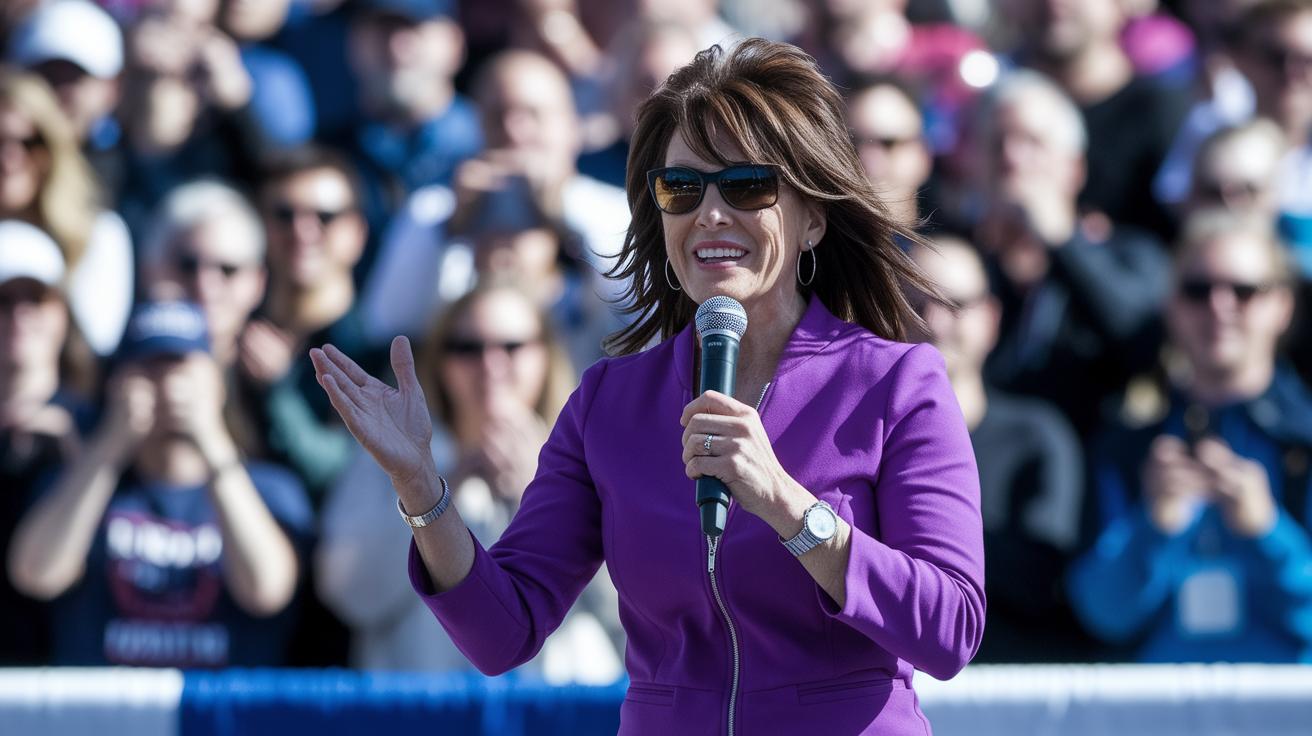
The Tea Party got its spark from a few passionate leaders who helped bring its message into the spotlight. Sarah Palin emerged as a charismatic spokesperson who played a key role in the 2010 midterms, firing up grassroots support. Rand Paul became known as a strong Senate voice, pushing for a smaller government and rethinking some criminal policies, which resonated with many reform-minded voters. Jim DeMint, through his work with the Senate Tea Party Caucus, steered the group toward a clear focus on constitutional values and limited government.
Along with these political figures, important financial supporters helped shape the movement's tactics and messaging. The Koch Brothers offered crucial funds that boosted grassroots organizing and helped spread the Tea Party’s ideas to an even wider audience. Their steady, behind-the-scenes investments ensured that the movement could score strategic wins, even as the political landscape kept changing.
| Name | Role | Impact |
|---|---|---|
| Sarah Palin | Charismatic Spokesperson | Helped drive 2010 midterm campaigns |
| Rand Paul | Senate Advocate | Stood for limited government and reforms |
| Jim DeMint | Senate Tea Party Caucus Founder | Guided policy strategy and shifted priorities |
| Koch Brothers | Key Financial Backers | Funded tactics and messaging for wider reach |
Influence of the Tea Party Political Party on Contemporary Politics
The Tea Party played a big role in making Trump's rise feel acceptable for many conservatives. Activists rallied with a clear message that questioned traditional leadership and pushed for more local voices. Even before Trump came on the scene, grassroots movements were already stirring up change. This shared distrust of the elite opened the door for his straightforward, populist style.
GOP policies started to shift as the Tea Party pushed for greater local control and cultural change. Leaders began listening more to everyday concerns and moved beyond just economic issues. Lawmakers began to focus on social topics and the need to cut back on government oversight. This change led to debates centered on defending community values and boosting local decision-making. These themes now appear in discussions about immigration, law enforcement, and social responsibility in legislative sessions.
The Tea Party’s influence is clear in election results too. Data from the 2016, 2018, and 2022 races shows that strategies inspired by the movement helped candidates win districts with wider vote margins. In several competitive races, those who carried the movement’s anti-establishment message and focus on local power saw better support among key voter groups. The shifts in seat counts and vote percentages point to a lasting trend where grassroots energy turns into real political change.
Major Events and Controversies of the Tea Party Political Party

The Tea Party went through many heated moments that stirred up debates and left a mark on politics. These events not only split the group but also made people ask tough questions about their plans and the true cost of standing up for their views.
In 2010, a big standoff happened over the debt ceiling. Tea Party-influenced Republicans set off a fierce negotiation with Democrats by challenging budget limits, and this clash put extra strain on party ties. It was a time when every word felt heavy, almost like the city streets were crackling with tension.
Then, in 2013, disagreements over government funding led to a shutdown. The failure to agree on spending not only brought about a halt in operations but also left many wondering if the movement had lost its way. Both sides were frustrated by the stalemate, and many felt the impact on everyday governance.
Meanwhile, within the movement, there were growing doubts among members. Some were “purists” who felt that sticking strictly to their original ideas was key, while others pushed for a more flexible, practical approach. This inner debate made many wonder if making compromises would water down what they believed in.
Another flashpoint came from their social media use. The tone online was sharply aggressive at times, and this kind of rhetoric upset some observers. People argued that the intensity of these posts hurt their message of strong, community-based accountability.
Lastly, the Tea Party drew plenty of criticism for stalling bipartisan budget deals. Critics argued that by holding such rigid positions, they weren’t just keeping the opposition in check, they were also making it harder to reach agreements that could benefit everyone.
Each of these events has left a lasting impact, keeping the debates alive and forcing the group to face the challenges of working together in a divided political landscape.
Legacy and Future Prospects of the Tea Party Political Party
The Tea Party left a lasting mark on American politics, even after its peak in the mid-2010s. Its call for smaller government and more local control reshaped the Republican Party’s focus on tax cuts and reduced federal spending. Even if the movement’s energy has cooled, many smaller GOP groups still carry its ideas. Some activists even compared managing government money to balancing a household budget, cutting extras so you can focus on what matters most.
This mix of careful spending and a strong push against big government made many people re-examine how funds are used and policies are set. Its influence still echoes through American political culture today.
Looking ahead, there’s a sense that Tea Party-style ideas may make a comeback among reform-minded candidates in 2024. New faces in politics are advocating for a return to limited government, with a focus on reforming tax policies and cutting what they see as burdensome regulations. As discussions heat up over economic strategies and easing government rules, grassroots methods reminiscent of the Tea Party might well reshape the GOP’s future.
Imagine local campaigns rekindling community voices and pushing candidates to challenge long-established elites, just like the original call for more accountability and change.
Final Words
In the action, we traced the roots, key players, and lasting impact of the tea party political party. We recapped its rise from grassroots protests to a reshaper of modern elections and conservative values. The story walked us through defining moments, ideological shifts, and the changing dynamics within the movement. Its influence today sparks debates about reform and future political paths. This piece leaves us hopeful that fresh ideas and spirited discussions can continue to drive change in our political landscape.
FAQ
Who are some of the famous and original Tea Party members, including Republican Tea Party members?
The famous Tea Party members include Sarah Palin, Rand Paul, and Jim DeMint, with key backers like the Koch Brothers. The original activists helped shape the movement by opposing bailouts and reforms.
What are the main beliefs of the Tea Party?
The Tea Party advocates for strict constitutionalism, lower taxes, and reduced federal spending. These ideas promoted limited government and individual liberty through a populist, anti-elite message.
What happened to the Tea Party movement?
The Tea Party began as a grassroots uprising in 2009, achieving notable electoral gains before its influence lessened over time. Its core views still steer many conservative strategies today.
What are Tea Party candidates in 2024 known for?
Tea Party candidates in 2024 carry forward conservative principles of small government and fiscal restraint, emphasizing anti-establishment rhetoric and voter mobilization, which align with the movement’s long-standing ideals.


