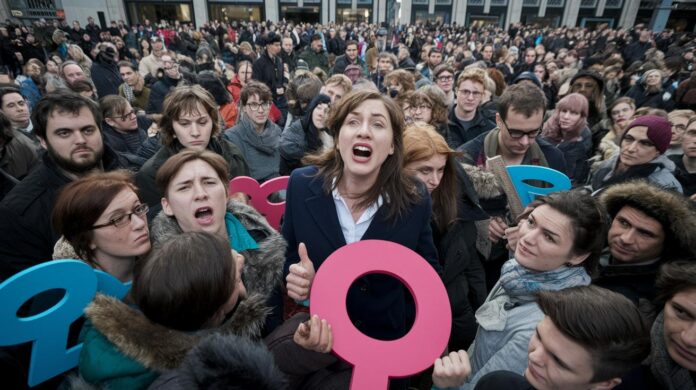
Imagine if one government ran the entire world. Some see this unity as a way to help everyone work together, while others worry it might take away our freedom.
Big problems like climate change and health crises are growing. In response, many are asking whether a global government is a path to unity or a risk to our personal rights.
Picture every nation coming together to solve huge challenges. Supporters say this idea gives every person a voice. Critics, though, argue that too much central power could limit local choices.
This fascinating debate pushes us to rethink how the world handles crises and shapes its future.
Defining the Single World Government: Concept and Key Frameworks
Imagine a government that spans the whole world, a unified system that works beyond borders to solve huge challenges. Experts say that a single world government could fix problems that no nation can handle alone. It’s like bringing everyone together for a common goal.
Supporters often call it cosmopolitan democracy, which means letting everyday people help decide international policies. They also talk about ideas like world federalism (a system that functions like a single country but with regions) or boosting global bodies like the United Nations. Each idea offers a different way to share power and responsibility on a global stage.
A one-world government could make quick decisions on big issues like climate change, pandemics, and mass migration. Think about how smooth things would be if all countries coordinated efforts to manage resources and respond to crises. It’s about linking policy and action to make life better wherever you go.
Historical Foundations of a Single World Government
Post–World War II Advocacy
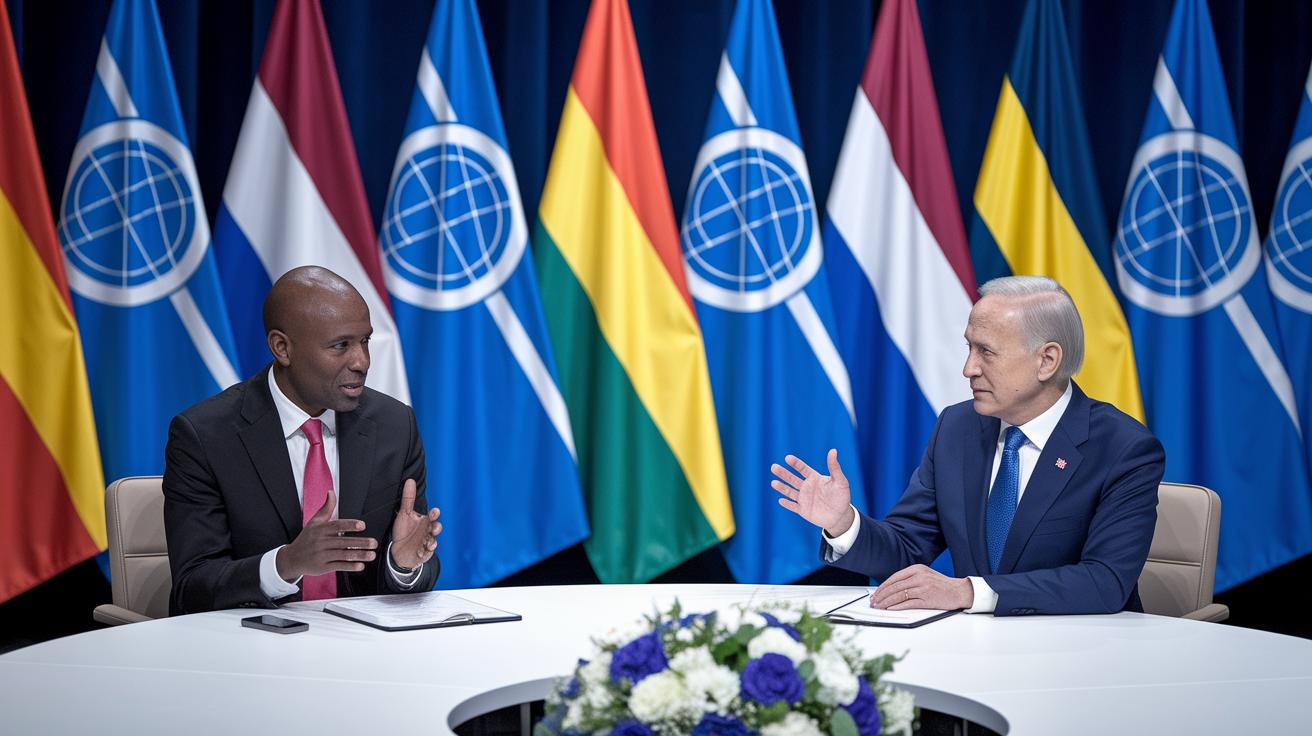
After World War II, big thinkers like Albert Camus, Albert Einstein, Jawaharlal Nehru, and Bertrand Russell started talking about one world government. They believed that if all nations joined together, we could stop conflicts before they grew out of control. In their letters, speeches, and essays, they explained that a global political order could turn hostile rivalries into cooperative plans for peace and progress. Imagine leaders from every corner of the globe sitting together, setting aside old disagreements to build a future where everyone plays a part.
Rise of Cosmopolitan Democracy Discourse
Later on, the conversation shifted toward what many started calling cosmopolitan democracy. Proponents of this idea argued that everyday citizens should have a say in global decisions, not just a distant group of experts. They combined the democratic spirit of local communities with the need to manage worldwide challenges. In doing so, they tapped into a growing desire for shared responsibility on the global stage. This change in thinking hints at a future where all voices count when tackling issues that cross borders.
Public Support and Research on a Single World Government
A new study in International Studies Quarterly shows that people in 17 different countries are warming up to the idea of a democratic world government. It turns out that folks from the South, North, East, and West alike are ready to back a single authority that can tackle big challenges, ones that no single nation can fix on its own.
Some of the major issues this government would tackle include:
- Climate change coordination
- Transnational pandemic response
- Conflict and war prevention
- Poverty and mass migration
- Environmental degradation
- Cross-border economic inequality
Many of the G20+ countries seem to be leaning toward stronger global institutions, showing a real willingness to work together on international problems. Meanwhile, the study points out that the United States remains a bit more reserved about such a shift. Given its long history of valuing local control, this caution might mean that proposals for a single world government could face some hurdles.
Critics warn that if the U.S. continues its hesitant approach, it could slow down global efforts to create unified policies. Even so, with more nations eager to join forces on issues like climate change and economic inequality, the conversation about global policy reform is very much alive and continues to spark debate.
Theoretical Models for Managing a Single World Government

Modern thinkers break the idea of a single world government into two main approaches. One idea, world federalism, aims for a global constitution and a central parliament to make decisions quickly and smoothly. The other, cosmopolitan democracy, puts regular people at the heart of international decisions, ensuring everyday voices shape our global policies. Both ideas offer fresh ways to rework global governance and call for countries around the world to work together while keeping public input in focus.
| Model | Key Features | Representative Institutions |
|---|---|---|
| World Federalism | Supports a global constitution and a central parliament for fast and uniform policy decisions. | Global Parliament, Constitutional Assembly |
| Cosmopolitan Democracy | Focuses on strong citizen involvement in cross-border decision-making with plenty of public debates. | International Forums, Citizen Assemblies |
Looking closer, world federalism sets up a strong system for global leadership by relying on a central authority to enforce consistent policies. On the other hand, cosmopolitan democracy trusts the varied insights of everyday people to shape international plans. Supporters of these ideas believe that unified governance can lead to quicker responses during crises and boost the accountability of international bodies. Yet, some critics worry that centralizing too much power might overlook local needs or stir conflicts among different national interests.
Advantages and Drawbacks of a Single World Government
Some experts say that having one global government could cut through red tape and help us act fast during a crisis. For instance, thinkers like Arvind Ashta point out that fewer layers of decision-making can mean better use of resources when emergencies hit. Imagine a sudden natural disaster – a single authority might step in quickly, helping local areas recover without getting bogged down in endless procedures.
On the other hand, there are concerns that centralizing power could weaken local voices. When decisions are made far from the communities they affect, important local traditions and needs might be overlooked. Critics worry that such a setup can strip away the unique ideas and innovation that come from a community's own way of doing things. So, while quick, unified responses may help in tough times, they might also mean losing the local details that give each place its character.
Feasibility and Obstacles to a Single World Government
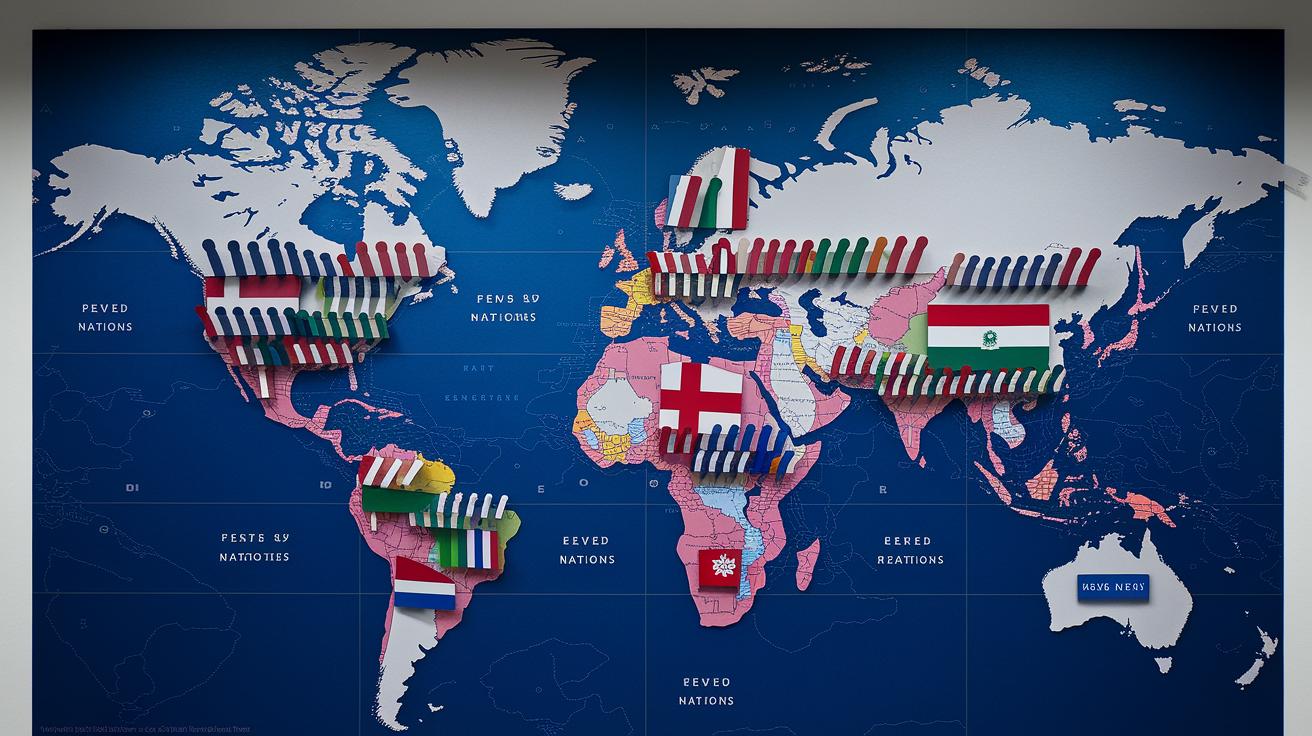
Folks around the globe are split on the idea of a single world government. Many of the G20 countries seem to like the idea of stronger global governance, while the United States shows less support. It’s like working on a team where most players are excited, but one key member stays on the bench. These differences in cultural views and history make it tough to agree on one global political system.
Existing international groups add more bumps to the road. For instance, think about the U.N. Security Council with its veto power. This kind of built-in rule makes it hard to push for a single world government. These old systems weren’t meant for a one-world setup, and their strict rules and power balances slow down any major changes.
Then there’s the tricky task of writing a global set of laws. Creating a universal constitution that fits all the different legal systems out there is no small task. Each nation has its own ideas about rights and duties, and these differences make it really hard to agree on one rulebook. In short, bringing together so many viewpoints and balancing national interests with global goals is a real challenge that needs careful thought and a lot of negotiation.
Conspiracy Theories and Controversies About a Single World Government
There’s been a lot of talk about the idea of a one-world government. This isn’t just regular political debate, it’s a hot topic that’s sparking worry and discussion all over the globe. Some feel that this notion hides a secret plan to blur national boundaries.
New World Order Speculations
Many people believe that powerful elites are quietly planning to take over the world. They point to secret meetings and hidden deals as signs that a small group wants to bring everyone under one rule. One insider even said, "Before modern transparency, quiet gatherings swayed major global events." This makes some folks think that each international crisis could be a calculated move to grab more power.
Prophetic and Scriptural Perspectives
Religious texts add another layer to this debate. Supporters often refer to passages like Revelation 13, saying these biblical hints predict the rise of a global authority. They see today’s political shifts as a sign that ancient warnings are coming true. On the flip side, critics argue that these quotes are taken out of context and mixed with modern fears. The conversation is ongoing, sparking lively and global discussions.
Final Words
In the action, we traced the idea of a single world government from early proposals after conflict to today’s global debates. We explained different models, weighed pros and cons, and discussed public support alongside structural challenges.
We also explored historical roots and modern theories that shape how we view global unity. These insights serve as a reminder that bold ideas can prompt deeper understanding and spark meaningful conversations about our shared future.
FAQ
Q: What does One World Government 2024 refer to?
A: One World Government 2024 refers to recent proposals or discussions about forming a unified global authority aimed at managing international challenges more cooperatively in the near future.
Q: What is the benefit of a one world government?
A: A one world government could improve global responses to crises by uniting resources, streamlining disaster response, and coordinating policies to tackle issues like climate change and economic inequality.
Q: What does World Government in One Piece signify?
A: In One Piece, the World Government is a fictional body that governs the series’ universe, representing a centralised power that creates order while highlighting conflicts between authority and freedom.
Q: What is the One World Government Summit?
A: The One World Government Summit is an event where experts gather to discuss ideas on global unity, exchange insights about international governance, and explore proposals for a more united political order.
Q: Is a one world government possible?
A: The possibility of a one world government is debated among experts as political, cultural, and institutional challenges make unifying all nations difficult, despite the appeal of coordinated global decision-making.
Q: What is the One World Government flag?
A: The One World Government flag is a symbolic emblem created by some supporters of global unity, representing an ideal of worldwide cooperation rather than being an officially recognized banner.
Q: What are the advantages and disadvantages of a one world government?
A: The advantages include streamlined crisis management and unified policy-making while the disadvantages involve risks like loss of national identity and potential centralised control over diverse populations.
Q: What do world government organizations mean?
A: World government organizations, like the United Nations, work to manage international issues through cooperation and dialogue, though they do not fully operate as a single governing body for all nations.
Q: What is a single world government or single form of government?
A: A single world government describes a unified political system that covers all countries, potentially featuring a global constitution and transnational decision-making structures to address global policy challenges.
Q: Where does the Bible talk about a one-world government?
A: Some interpret passages in the Bible, notably in the book of Revelation, as alluding to a one-world government, though such interpretations vary widely depending on theological perspective.
Q: What country has a single-party state government?
A: Countries like China are often cited as having a single-party state government where one political party controls national policy, limiting opposition and maintaining centralized power.


