
Could the world after the pandemic be even brighter than we once imagined? Many economies are bouncing back quickly, much like a city coming alive after a long, cold winter. Fast actions from governments and strong vaccine efforts helped spark this recovery. And the trends show that steady growth is on the way, giving us hope and renewed confidence in the global economy.
Key Trends Shaping the Post Pandemic Economic Outlook
Data charts show that major economies have bounced back at different speeds since early 2020. The U.S. reached its pre-COVID level by the third quarter of 2020, while many of the G10 nations were back to normal by the first quarter of 2021. Some emerging markets still lagged, operating at about 90% of their pre-pandemic GDP by early 2022. This recovery happened thanks to strong government spending and swift vaccine rollouts, which helped avoid the big gap seen after the 2008 downturn.
Quick fiscal moves and widespread vaccines acted like a fast accelerator for the recovery. Think of it as a sudden turnaround where many businesses bounced back quickly, much like cities warming up after a harsh winter. These timely steps helped rebuild trust in the markets and pushed the momentum forward.
New charts project that the recovery trend will continue through 2025–26. While the U.S. and other advanced economies are stabilizing fast, emerging markets are set for a slower, steady climb over the long term. Thanks to fiscal boost and resilient healthcare systems, this recovery lays down clear markers for global financial strength. All in all, the economic signs point to a bright future with ongoing recovery and robust policies paving the way ahead.
U.S. Performance in the Post Pandemic Economic Outlook

The U.S. COVID-19 recession was incredibly short, just about two months. This brief downturn let the economy bounce back quicker than many expected. Big spending moves like the CARES Act and American Rescue Plan, along with fast vaccine rollouts and built-in economic strength, helped keep output nearly at pre-pandemic levels throughout 2020–21. It’s a bit like an engine that stumbles for a moment but quickly revs back to life.
Investment also shot up in a big way. By mid-2023, investment hit levels about 14% higher than before COVID. This is a sharp contrast to the eurozone, which saw a 7% drop. In choosing to push for growth, even at the cost of a bit higher inflation, policymakers gave many industries the kick-start they needed. Their bold fiscal moves played a critical role in keeping economic activity strong.
Looking at other major economies, especially the G10 nations, America’s fast recovery really stands out. With rapid intervention and strong fiscal support, the market stabilized in no time. Imagine this: short, forceful measures can pivot an entire economy almost overnight. It’s a clear sign of innovative, decisive policymaking, and honestly, it’s pretty impressive.
Labor Market Bounceback and Employment Recovery in the Post Pandemic Outlook
By late 2023, many working-age people not only returned to work but even surpassed the levels seen before the pandemic. It was impressive to see so many prime-age women join the workforce, reaching numbers that had never been recorded before. All this strong recovery helped push overall job numbers back up.
The data tells us that even though 2021 started off slowly, the U.S. labor market really picked up in 2022 and 2023, outpacing other major economies in the G10 group. This boost came from lots of new hiring, especially in the services and tech areas (tech jobs include roles in computers, software, and other digital fields). Think of it like a factory that quickly ramps up after a brief shutdown, these sectors helped drive the economy forward.
Looking ahead, estimates for many OECD countries suggest that unemployment might be around 5.1% by 2025. While there are still challenges, these numbers also show how resilient the market can be. Steady job creation, more people joining the workforce, and supportive recovery measures all played a part in this rebound.
- Many new hires in the services and tech sectors
- Historic increases in workforce participation among prime-age women
- Strong efforts to support the overall recovery of the labor market
Price Pressure Trends and Inflation in the Post Pandemic Economy

Over the past couple of years, the rise in core CPI inflation averaged about 4.8% each year from April 2020 to June 2022. This increase was mainly due to the supply chain issues we all saw during the pandemic, which made it hard to produce and deliver goods. It’s a bit like noticing that your grocery bill slowly goes up because a shipment got delayed.
Looking ahead, experts think that by 2025–26, advanced economies might see inflation around 2.5%, while emerging markets could face numbers closer to 4.0%. Since mid-2022, many central banks have started raising interest rates and adjusting their money policies to ease these rising prices. Their goal is simple: try to balance the economic hit from the pandemic with the need to keep growth moving.
This situation is a clear risk that many are keeping an eye on. With ongoing issues in supply chains and new policy moves from banks, understanding these trends is key. Keeping tabs on how inflation evolves and how banks respond can really help us make sense of the post-pandemic economy.
Investment Surge and Corporate Revival Prospects in the Post Pandemic Outlook
Within just a few years, U.S. policies sparked a shift that redefined capital flow and core business strategies. Since 2020, fresh money has reshaped the business scene as new laws like the Inflation Reduction Act and CHIPS & Science Act (which help boost tech and science efforts) urge companies to rethink their game plan.
In the U.S., firms in tech, energy, and healthcare are streamlining operations and moving more production home. For example, semiconductor makers are using local incentives to change up their supply chains.
These policy changes are now a major driver in how companies plan for the long haul. Many are tweaking their investment strategies and even revising how they run day-to-day operations. One renewable energy firm, for instance, shifted funds toward green projects that save money and spark innovation.
Key points:
- U.S. policies are altering how companies invest and allocate assets.
- Businesses across sectors are reshaping operations in response to new rules.
- The eurozone shows a more careful approach to investment amid its own recovery challenges.
Charts and data back these trends, showing that new laws are a big part of a wider transformation in many industries.
Forecasting 2024–25: Global Projections in the Post Pandemic Economic Outlook
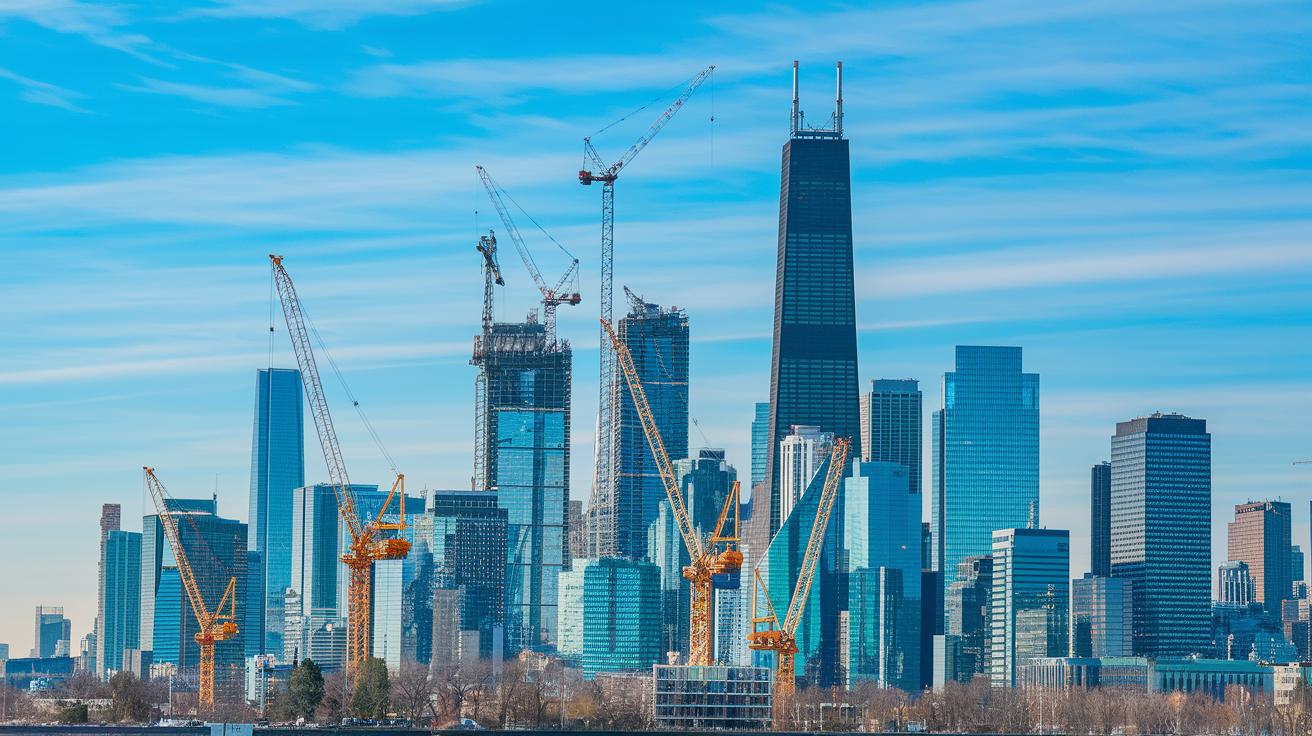
Looking to the years ahead, we see promising signs for a world bouncing back after the pandemic. The Global Forecast Report 2024 predicts that GDP growth among the G20 nations will hit 3.1% in 2024, and then climb a bit to 3.3% in 2025. Experts also expect annual global equity returns to stay in the 7–9% range until 2026. This spread in returns gives investors a clear view of market confidence. For more detail on these key growth and inflation numbers, check out the leading economic indicators.
Inflation trends provide another important piece of the recovery puzzle. Experts expect that inflation in advanced markets will slow to about 2.7% by the end of 2025. This is a welcome shift from the earlier days of wild price swings. Recovery, however, won’t be the same everywhere. Emerging Asia is on track for robust growth at about 4.5%, while European economies might linger around 2.2%. Each region is facing its own set of challenges and opportunities.
Looking ahead to 2025, projections for equity and bond yields paint a picture of various risk levels. These figures offer valuable guidance for policymakers, investors, and business leaders as they navigate an economic landscape filled with cautious optimism and smart, adaptive strategies. With data driving these insights, we’re set to take a careful and measured approach to rebuilding and strengthening the global economy.
post pandemic economic outlook: Bright Future Ahead
Right now, as we recover from the past global slowdown, many industries are bouncing back with plans made just for them. Technology hubs, for instance, have seen revenues jump 15% since 2020. This boost shows companies are using digital tools to work smarter. At the same time, clean energy investments worldwide have grown by 20%, proving that many are putting sustainability first.
In manufacturing, factories in advanced economies returned to pre-pandemic production levels by mid-2022. This change came from businesses fine-tuning their operations and consumers starting to spend again. The services sector is also making strong progress, with companies adapting to new buying habits by tweaking their approaches.
Tourism is showing a promising turnaround. Experts predict a 60% recovery by 2025 compared to 2019 levels, as global travelers regain confidence and safety measures improve. Real estate tells a mixed story; while U.S. home prices climbed by 12% by 2023, commercial properties still struggle with higher vacancy rates.
- Manufacturing and services are streamlining their work.
- Tourism is riding a wave of renewed global interest.
- Real estate is shifting to meet changing market needs.
Overall, the outlook remains both strong and flexible.
Policy and Stimulus Frameworks Influencing the Post Pandemic Economic Outlook

When nations looked to bounce back after the pandemic, they each chose a different path. The U.S. and U.K. hit the ground running by spending big on support programs in 2020–21. This quick move jump-started their economies, even though prices began to rise. On the other hand, many eurozone countries opted for more focused help, which led to a steadier, slower recovery in their GDP.
Those large cash injections worked like a turbo boost for struggling sectors. Think of it like firing up a powerful engine that suddenly gets everything moving fast. And central banks were right there in the mix too. By the end of 2023, the Fed bumped up rates by 525 basis points, while the ECB raised theirs by 350 basis points. These moves were all about taming price hikes while trying to keep growth on track.
Meanwhile, new rules have been put in place to make supply chains stronger and push investments in green energy. These policy changes aren’t just for today, they're setting the stage for solid growth and long-term stability in a world that never stops changing.
Final Words
In the action of economic recovery, the blog explored trends shaping the post pandemic economic outlook. It walked us through how major economies bounced back, assessing workforce gains, price pressures, investment surges, and shifting policy frameworks. Each section painted a clear picture of how individual sectors and regions fared after the pandemic's grip. The analysis shows encouraging signs for growth, offering a grounded look into a resilient future. The progress we see leaves us optimistic about what's ahead.
FAQ
What is the economic outlook for 2025 post pandemic?
The economic outlook for 2025 shows a gradual global rebound with G20 growth averaging around 3% annually, and inflation moderating as central banks adjust policies carefully.
How did the post-pandemic economic outlook evolve in 2021 and 2022?
The outlook in 2021 and 2022 revealed staggered recovery rates; advanced economies bounced back quickly with strong fiscal support, while some emerging markets trailed due to slower vaccine roll-outs and limited interventions.
How did economic recovery after COVID vary by country?
Economic recovery after COVID varied by nation. The US and many G10 peers rebounded swiftly with aggressive stimulus and vaccination programs, while certain emerging markets experienced slower growth.
How is the post-pandemic economy shaping up?
The post-pandemic economy is gradually normalizing with steady GDP growth and improved employment figures, as structural policy shifts and technology advances help sectors remain resilient.
Does the US lead in post-pandemic recovery, and is its economy doing well?
The US leads in post-pandemic recovery through robust fiscal stimulus and rapid vaccination, keeping output near pre-pandemic levels and boosting strong investment, signaling that its economy is performing well.
Is the world economy recovering after the pandemic?
The world economy is on a recovery path, though progress differs by region. Advanced markets show steady improvements while emerging economies continue to work on catching up amid varied fiscal and health measures.


