
Ever thought that using real, workable ideas might change our political scene? Political pragmatism cuts away wild theories and homes in on real-life outcomes. Leaders who follow this method rely on solid proof to tackle everyday challenges instead of sticking to one fixed belief. This way of thinking helped shift government focus from endless idealistic debates to quick, clear actions that really work. It makes you wonder: can making practical choices truly lead to a better government?
Understanding Political Pragmatism: Definition and Scope
Political pragmatism looks at solutions that are right in the middle and sticks to decisions that work in real life. It comes from a way of thinking that cares more about our everyday problems than lofty, theoretical ideas. In simple terms, early reformers shifted their focus from debates about what could be to what actually worked, setting the stage for a government that chooses actions based on real outcomes.
Unlike more extreme views that often lead to strict or unworkable policies, pragmatic governance avoids sticking to one theory no matter what. Instead, leaders use clear, evidence-based methods and organized systems to fix immediate problems. This approach helps balance different needs by finding sensible answers that feel secure and practical.
A big part of political pragmatism is using evidence-based planning. Things like data analysis and hands-on research guide decisions to make sure policies work as measured results. Think, for example, about how insights from behavioral studies can shape new policies. These studies help predict how people will react and make the implementation smoother and more in tune with real life.
Political pragmatism: Engaging Past and Practical Present

Political pragmatism started out as a series of abstract debates and slowly transformed into down-to-earth decision-making that really matters in everyday governance. Long ago, thinkers began to question strict, untested theories, favoring ideas that could be tried out in real-life situations. This change nudged leaders to lean on solid proof and flexible approaches instead of sticking to just one set of beliefs.
| Year | Event | Significance |
|---|---|---|
| Late 19th century | Philosophical Origins | Early ideas that set the stage for practical politics |
| Early 20th century | Policy Experiments | Real-world tests of pragmatic approaches |
| Mid-20th century | Bipartisan Reforms | Cooperation across parties for workable solutions |
| 1990s | Evidence-Based Policymaking | Using data and research to guide decisions |
| 2016 | Brexit Referendum | Showing the clash between high ideals and immediate needs |
Every one of these milestones shows a shift to a more flexible way of governing. The late 1800s sparked a curiosity that challenged old norms. Early policy experiments provided a place to try out new ideas, and mid-century bipartisan reforms showed how working together could bring real results. In the 1990s, evidence backed many decisions, and the messy, real-world drama of Brexit in 2016 reminded us that leaders must act quickly when needed. All these turning points have helped shape a system that prizes practical actions and the ability to adapt over sticking strictly to old ideologies.
Practical Applications of Political Pragmatism in Policy-Making
Using practical theory helps leaders tackle tough policy issues one step at a time. They mix ideas (theory) with real facts to build solutions that work for everyday people. For example, during the EU Referendum, campaigns borrowed research methods from studies on eating habits to learn why voters made their choices. Early chats with groups like UKIP supporters showed that talking with the public right away can sharpen negotiation skills and improve policy planning. This hands-on method brings together different viewpoints and shows that clear, practical steps can lead to better policies.
Here are some key techniques they use:
- Evidence-based scheduling of campaigns
- Social marketing tactics taken from dietary studies
- Situational strategy in cross-party legislation (working with different groups)
- Adaptive policy research for budget planning
These frameworks are especially strong when dealing with real-world challenges. For instance, using evidence-based scheduling helps leaders plan campaign timings and use resources wisely. Social marketing techniques make it easier for policymakers to speak in a clear, relatable way that connects with people. A situational strategy in cross-party legislation encourages lawmakers to work together by focusing on goals they can actually reach instead of sticking to strict rules. And adaptive policy research in budget planning means that when the economy shifts, leaders can adjust their decisions in a balanced way.
In short, blending practical ideas with real-life facts builds a strong bridge between big ideas and daily issues. It shows that when leaders mix theory and practice, they create policies that are both smart and flexible.
Political Pragmatism vs Ideological Approaches
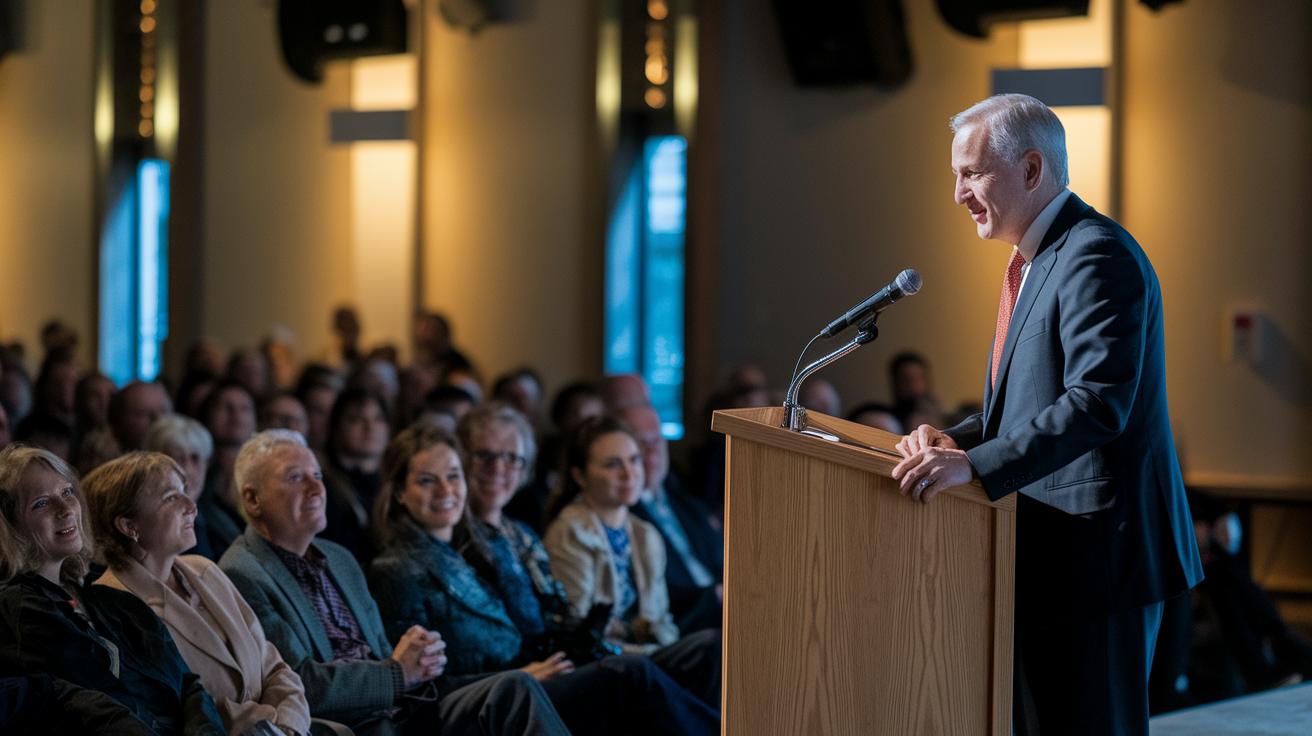
Centrist ideas in government lean toward practical strategies that directly tackle real problems instead of sticking with strict, one-sided beliefs. They blend clear, everyday steps with smart compromises to solve issues as they pop up.
Pragmatic Approaches
Pragmatic governance means leaders adjust based on the situation, focusing on realistic steps instead of chasing perfect ideals that might fall apart in real life. For example, using data-backed policies and hands-on research lets them switch tactics when things change. This method builds on organized systems and clear, concrete results to create policies that meet everyday needs. It shows that being flexible and aiming for practical solutions can help bridge differences and create stability.
Ideological Extremes
On the other hand, strict ideological views push one firm vision that often misses the messy reality of daily life. These ideas sometimes echo populist appeals, aiming for lofty goals without enough practical planning. They can create echo chambers where decisions are driven by bias instead of fair, balanced evidence. This can result in policies that don’t keep up with a fast-changing society.
A smart mix of real-world tactics and centrist compromise offers a balanced way forward. It avoids the traps of extreme theories while building a system that’s both adaptable and effective.
Case Studies: Political Pragmatism in Action
These case studies look back at real events and show how political leaders mixed clear, actionable plans with careful, fact-based work. They tell the story of a time when getting things done in a practical way mattered more than strictly following big ideas.
Labour’s 2016 Leadership Contest
During the 2016 Labour leadership contest, candidates moved away from high-minded theories and instead embraced down-to-earth solutions that could be put into action right away. They focused on policies that met the public’s immediate needs instead of getting lost in abstract debates. One candidate even said, "We need to prove that action works," making it clear that real results were more important than endless talk. This practical approach helped build voter trust during very challenging times.
They also dug into detailed studies of voter behavior and listened to grassroots feedback to shape their plans (see Analysis of Recent Electoral Law Changes – https://baretnews.com?p=). Their strategy was a careful mix of realistic goals and clear measurements, showing that practical, everyday changes can guide strong leadership when it’s needed most.
Brexit Referendum 2016
In the Brexit Referendum of 2016, leaders used fact-based planning and clear negotiation tactics when dealing with EU officials. They leaned on solid data and up-to-date research to handle the tricky international talks. As one analyst put it, "The focus shifted from ideological debate to practical solutions that could be effectively implemented." This marked a clear move away from rigid policy rules (see How Electoral Reforms Impact Voter Turnout – https://baretnews.com?p=).
Here, policy was shaped by a close look at everyday voter behavior as well as by keeping an eye on the larger strategic picture. Leaders kept changing their stances as fresh evidence came in, ensuring that their plans stayed relevant. This blend of quick adaptation and long-term strategy showed that a flexible, practical approach works best in tough negotiations.
Looking at these examples, it’s clear that using practical strategies and making timely adjustments not only boosts reform efforts but also creates a blueprint for smart, future-focused leadership.
Future Directions for Political Pragmatism in Modern Governance

These days, more people expect leaders to base their decisions on solid facts and real numbers. Modern political figures lean on data (think real-time analytics) and clear measures to choose policies that work. Instead of making big promises, they rely on proven results. For example, one leader might say, "I check our data every week to adjust our plan," showing a real commitment to decisions grounded in evidence.
Leaders today take big challenges and break them down into small, doable steps. They keep their plans flexible, adjusting as new information comes in, much like tweaking your daily routine when unexpected things happen. This method helps ensure that our governance stays steady and responsive, even when faced with tough, shifting issues.
Final Words
In the action, you saw how political pragmatism shapes governance through clear definitions, historical milestones, practical applications, and real case studies. Each section broke down complex ideas into manageable concepts that show how realistic policy choices trump extreme ideologies.
The text also highlighted adaptive methods and evidence-based planning in practice. It leaves us with a hopeful outlook on improving policy and decision making in today’s world using political pragmatism.
FAQ
Frequently Asked Questions
What are examples of political pragmatism?
Political pragmatism examples include policies driven by practical, workable strategies such as evidence-based reforms and realistic compromises. These examples highlight clear, action-oriented decision‐making in governance.
What are some synonyms for political pragmatism?
Political pragmatism is also known as practical political philosophy or a realist policy approach. These terms emphasize a focus on workable policies that prioritize achievable reforms over rigid ideologies.
Who is known as the Father of Pragmatism?
The Father of Pragmatism is often credited to William James. His work stressed the importance of practical application of ideas, laying the foundation for future thought in philosophy and politics.
What defines a pragmatic political party?
A pragmatic political party focuses on realistic, evidence-based policies. It prioritizes achievable reforms and practical governance over strictly ideological positions, aiming to achieve concrete results.
What does pragmatism mean in politics and philosophy?
Pragmatism in both politics and philosophy stresses practical solutions over abstract ideas. It centers on using evidence-based decision-making and adaptable strategies to address real-world issues effectively.
Where can I find a Pragmatism PDF?
A Pragmatism PDF can be found in various academic databases and digital libraries. These resources offer detailed analyses on pragmatic theory and its practical applications in politics and philosophy.
How do William James and John Dewey influence pragmatism?
William James and John Dewey influenced pragmatism by emphasizing the practical consequences of ideas. James established its philosophical base, while Dewey extended these concepts to education and policymaking.
What is policy pragmatism?
Policy pragmatism involves applying practical, evidence-based strategies to design and implement policies. It combines realistic judgment with flexibility, helping leaders address complex issues with adaptive approaches.
What is an example of pragmatism?
An example of pragmatism is a government implementing reforms based on measurable outcomes, such as public health strategies that use evidence-based methods to achieve concrete community improvements.


