
Have you ever thought that deep divisions might help us see things more clearly? Political differences can seem really messy, but they push us to look at our own views with fresh eyes. Studies show that many people now see opinions from the other side not just as different, but even as risky.
This piece digs into the factors behind these divides. We look at how these forces shape our everyday political talks and why understanding them is important. Stay with us as we uncover how this split might just empower us to think more clearly.
Understanding Political Polarization: Causes, Dynamics, and Societal Impact
Political polarization is all about the growing gap in ideas and feelings between two opposing groups. It shows up in two ways, one is ideological, which means differences in basic beliefs and political ideas, and the other is affective, which is when people start to really dislike or even fear those with other opinions. For example, did you know that in a 2010 poll by James Adams nearly half of Americans thought that supporters of the other party were not just wrong, but evil? This piece digs into these issues to explain why it’s so important to understand what fuels this divide.
James Adams’s research gives us a clear look at how hostility between groups has evolved, especially since the 1990s. His studies showed that while people are getting closer to their own group, they’re feeling more negative about the other side. Similar trends have been observed in 19 Western democracies, where things like income differences and winner-take-all voting systems seem to deepen these divisions. These findings help us measure just how much politics is affected by these gaps and make us pause to think about the nature of our political debates.
Taking a closer look at what drives these changes is key to understanding their wider impact on society. Old regional disputes and long-standing economic differences laid the groundwork for the divisions we see today. Now, factors like economic worries and the way media shapes our view of events make things even more complicated. Breaking down these influences not only shows how polarization grows but also sheds light on how our history and social systems shape daily political life. It makes you wonder, how can we bridge this gap? And it reminds us why it’s so vital to keep the conversation going about these challenges.
Historical Evolution of Political Polarization in the United States
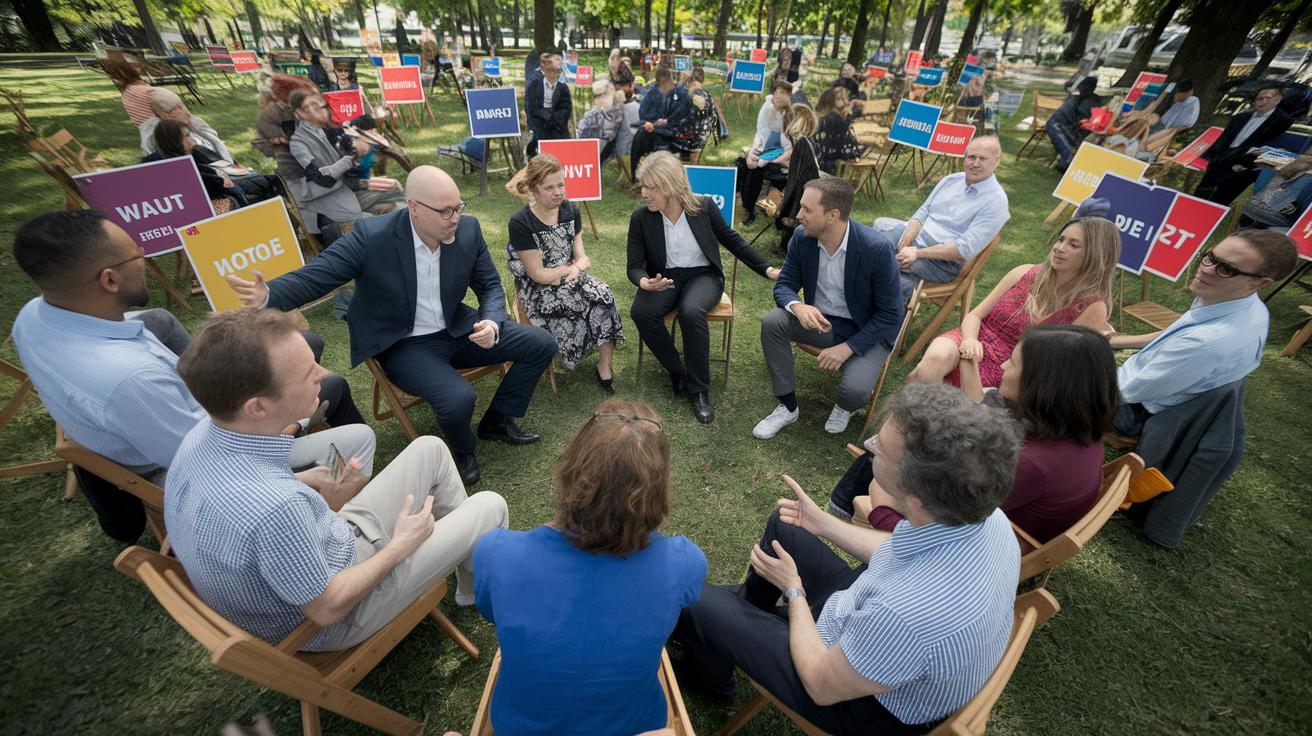
Early on, U.S. politics was split into clear groups. In the 1700s and 1800s, differences between regions and economic interests sparked big debates. Groups like the Federalists and Jeffersonians clashed over how the government should work and manage money. Can you imagine that from the very beginning, strong disagreements were already pulling communities apart?
More recently, James Adams and his team dug into over 80 national election surveys from 1996 to 2017. Their findings showed that feelings of distrust between political groups have steadily grown, even as support within each group became stronger. It seems that a mix of divided media and economic pressures not only locked people into their party lines but also pushed them to view opponents more harshly.
Major turning points in history also deepened these splits. The scars of the Civil War, the shifts from the New Deal era, the cultural rifts of the 1960s, and even the rise of digital media after the 1990s all played a part. Looking back, it’s clear that those old struggles still shape today’s political debates and divisions.
Key Drivers of Political Polarization
Today’s political scene is shaped by three main forces: ideological divisions, institutional setups, and economic and social changes. Think of it like layers of paint on a canvas, each one adding its own color and depth. It’s also a bit like piecing together a jigsaw puzzle, where every piece plays its part in forming a bigger picture.
Ideological Divisions
This part is all about how our ideas and beliefs can push us to more extreme positions over time. People tend to stick with familiar views, and as they do, their opinions become sharper and more intense. Sometimes, even ideas from the fringes start to catch on, making group opinions even more polarized. Imagine sorting a bag of puzzle pieces where only the matching ones come together, reinforcing what you already believe.
Institutional Mechanisms
Our political rules and systems further widen these gaps. Think about how winner-take-all voting systems or unfair legislative practices leave little room for voices in the middle. Practices like gerrymandering and Senate inaction are like playing a game where the rules have already tilted in one team’s favor. Even the way candidates are chosen can deepen these divides, making it tough for different views to find common ground.
Economic and Social Influences
Economic struggles, income gaps, and social pressures also play big roles. When communities are split by economic lines, it feels like stacking one brick after another until a solid wall stands between groups. Small shifts in income and social structure can build up to create a noticeable rift. When these factors come together, they set off a cycle that makes it harder than ever to find compromise.
Political Polarization Empowers Clear Perspectives

Traditional media shapes how we see things. Editorial choices and partisan news often make us feel more negative about those with opposing views. Cable news and selective reporting tend to repeat one-sided stories that stir strong emotions and keep us loyal to our own group.
For example, when news outlets highlight controversial angles, events get framed in ways that boost distrust toward people who think differently. This political bias (see source) only makes disagreements worse by spreading misinformation and offering just one side of the story.
Social media takes it a step further. Its algorithms serve up content based on what you've clicked on before, which can trap you in an online bubble. In these echo chambers, conversations can feel repetitive, and new ideas that challenge what you already believe rarely break through. As a result, online communities often split into small, like-minded cliques, making it hard for people across the divide to come together.
Consequences of Political Polarization for Governance and Society
Extreme partisanship is shaking the trust we once had in our public systems. When decisions are stuck in a never-ending tug-of-war and leaders fall short, people start to doubt if anyone is really working for them. This loss of faith makes it tougher for society to tackle the big issues we all care about, leaving many to ask, “Do my opinions even matter?”
Right now, it sometimes feels like we're riding in a car speeding down the highway without a steering wheel. Accountability and honest discussions have been tossed aside, making communities even more frustrated as progress stalls and bitterness grows.
- Legislative deadlock on budgeting and health policy
- An uptick in partisan violence and protests
- A drop in efforts for cross-party collaboration and common-sense laws
- Increased voter suspicion and a loss of confidence in turnout
- Growth of extreme fringe groups and radical ideas
- Tensions between the executive, legislative, and even judicial branches
These deep divides are really messing with how our institutions were meant to work. Rules that once kept a balance are now stretching our limited resources too thin. Because of all this bickering, our government is stuck in a rut, making it nearly impossible to solve economic issues, health crises, or social conflicts. And as this polarization becomes even more entrenched, it wears down our trust in systems meant to support us. When our common ground disappears, it isn’t just politics that suffer, it trickles down to our communities, families, and everyday talks about what’s fair and what moves us forward.
Approaches to Bridge Political Polarization
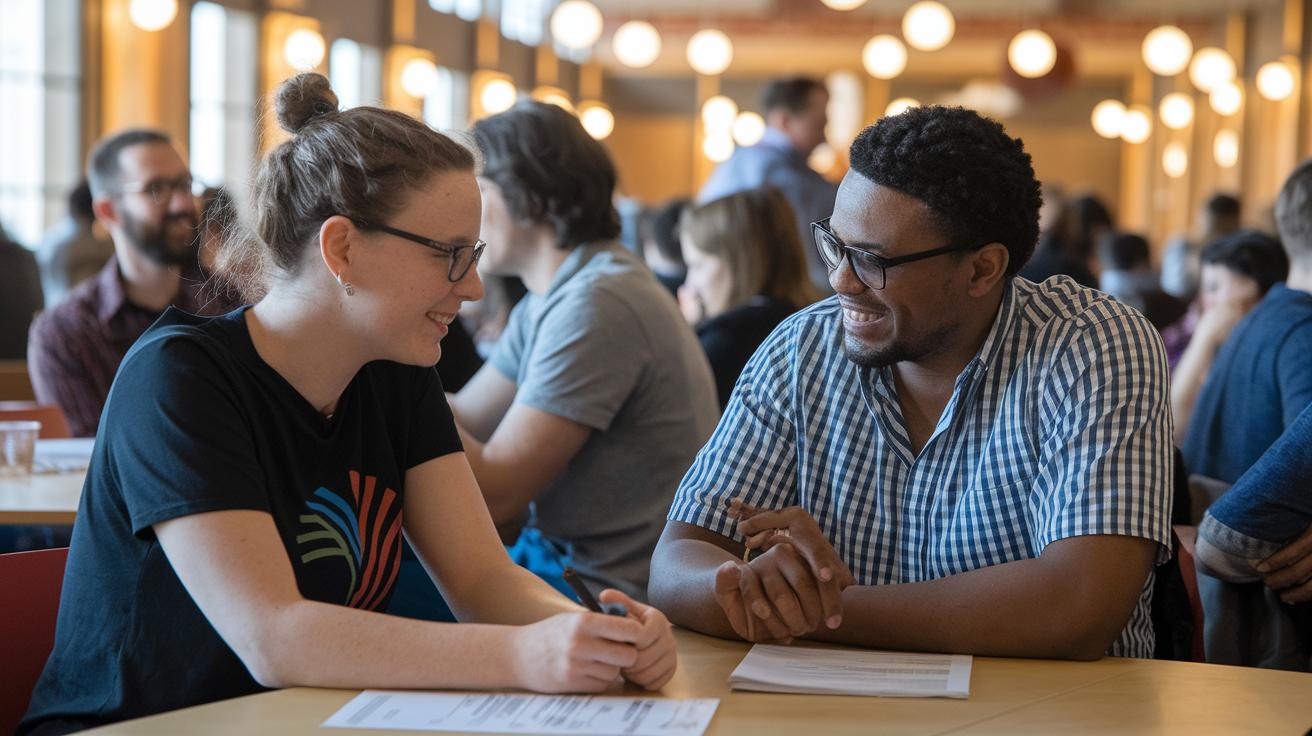
A mix of legal, community, and communication efforts is key to healing our divided political scene. We need fresh policies, better education, and strong grassroots work to rebuild the trust we’ve lost over time.
Promoting Intellectual Humility
Educational programs and open forums that welcome different views help soften rigid beliefs. Fact-checking initiatives encourage everyone to question what they hear and look beyond familiar echo chambers. Imagine a local workshop where neighbors chat honestly about the news – it’s a chance to learn and grow together.
Structural Political Reforms
Reforms like proportional representation, fair redistricting, and updated rules for campaign finance are steps in the right direction. Think of it like resetting a game board so that more voices get heard and extreme views lose their grip. These changes work to clear away the barriers that keep distrust alive.
Community-Led Reconciliation Initiatives
Local projects and grassroots movements play a vital role in mending our social fabric. The TRHT movement, for example, shows how honest dialogues and a spirit of forgiveness can help us move forward. When communities lead the way, every voice makes a difference in healing our divides.
By joining legal, community, and conversation-based strategies, we can lower extremism, restore trust, and strengthen our institutions, reminding us all that every voice matters.
Final Words
In the action, we saw how political polarization weaves its way through America’s history, driving ideological divides and shaping the modern landscape. The discussion unraveled intricate causes, from economic strains to media echo chambers, and highlighted the tangible effects on governance and social trust. Concrete steps to bridge these gaps emerged, reminding us that change starts with honest conversation and collaborative reform. Moving forward, a more united dialogue can turn these challenges into opportunities for healing and progress.
FAQ
What is political polarization?
The term political polarization means the growing gap in political views and feelings between groups. It describes both deep ideological differences and strong opposing emotional reactions between sides.
What are some examples of political polarization?
The term political polarization examples cover contrasting party views on issues, sharply divided voter behavior, and heated debates that hinder bipartisan work in government.
What causes political polarization?
The term causes of political polarization point to factors like economic disparities, media-driven echo chambers, historical political splits, and voting rules that encourage extreme partisanship.
How does political polarization manifest in America and future elections?
The term political polarization in America shows up in intense partisan debates, segregated media, and divided electoral behavior, trends that remain visible and influential as the 2024 landscape unfolds.
Why is political polarization considered an issue, and is it good or bad?
The term why political polarization is an issue explains that it leads to legislative gridlock, eroded trust in institutions, and social divisions, generally creating more problems than benefits in political cooperation.
What is social polarization in politics?
The term social polarization in politics refers to growing divides among social groups based on culture, economic status, and identity, which deepens political rifts and limits inclusive dialogue.


