Have you ever wondered what drives India's democracy? Parties like the BJP and the Indian National Congress bring together millions of voices, each one playing a part in a bigger picture of lively debate and unity.
Think of these groups like puzzle pieces, they fit together to form a captivating image that fuels the nation. In this post, we take a closer look at how they gain recognition and build a system that gives India its unique competitive edge.
It's a reminder that these parties aren’t just names; they play a vital role in shaping the country’s future.
Comprehensive Overview of India’s Political Parties System
India's political scene is made up of many active parties, which the Election Commission of India sorts into national, state, and unrecognized groups (as outlined in Article 324). To get officially recognized, parties must follow strict constitutional rules and complete formal registrations. You can read more about these steps in this analysis of recent electoral law changes. It’s a bit like putting together a puzzle, you need every piece, from the registration process to meeting membership criteria, to complete the picture.
Right now, the Bharatiya Janata Party (BJP), led by Narendra Modi, stands out as the largest political organization in the world, boasting nearly 180 million members and a strong presence in the Lok Sabha. On the flip side, the Indian National Congress, which started in 1885, has been a major influence in the country’s history by governing for over two-thirds of the time since independence. This lively mix of national and regional parties makes every election a gripping contest over 543 seats, showing just how dynamic and competitive Indian democracy is.
To put things into perspective, think about this interesting fact: in a country where political leanings shift with each election, millions of party members form the backbone of India’s democratic engine.
| Party | Membership/Seats | Founded |
|---|---|---|
| BJP | ~180 million / 303 seats (2024) | N/A |
| INC | 52 seats | 1885 |
| Regional Parties | Contest 543 seats overall | Various |
Over time, the evolution of party politics has played a huge role in shaping India’s path. Looking at how parties are set up and recognized can really help you understand the everyday pulse of Indian democracy.
Major National Players: BJP, INC, and AAP in India’s Party Landscape
Narendra Modi’s BJP has been changing the game in Indian politics since May 2014. The party holds 303 Lok Sabha seats right now and prides itself on boosting economic growth and celebrating national identity. It uses a clear top-down structure while still inviting active involvement from local communities. Leaders make bold policy moves that keep the party in the national spotlight. Fun fact: BJP’s approach of building wide local networks across the country has united millions behind a shared vision.
The Indian National Congress, or INC, dates back to India’s fight for independence. With 52 Lok Sabha seats, it has been a key player in forming the country’s policies for a long time. INC once led India during some of its most crucial moments and has always championed secularism and inclusive governance. The party sees itself as the guardian of India’s democratic legacy, leaning on its rich history and steadfast leaders to meet today’s challenges. It’s interesting to think how INC’s journey from colonial resistance to modern policymaking shows the lasting power of committed public service.
Born out of the 2011 anticorruption movement, the Aam Aadmi Party (AAP) is a standout example of grassroots energy. Even with just 5 Lok Sabha seats, AAP brings a new, transparent style of politics that gives power back to the people. Its rise sparked conversations about shaking up old political norms and showed that everyday citizens can reshape power structures. For example, AAP’s leap from local activism to national recognition proves that fresh ideas can truly transform longstanding systems.
Each of these parties plays a key role in India’s ever-changing political scene. Their distinct origins, core beliefs, and leadership styles drive major debates and continue to shape what matters most on the national stage.
Regional Forces and State-Level Party Landscapes in India
Regional parties play a big role in shaping local politics and governance. One of the strongest groups is the Dravida Munnetra Kazhagam (DMK). Under the leadership of M.K. Stalin, this party has turned local issues into national talking points. Imagine the energy at his rallies, where the local pride fills the air and draws millions together.
In West Bengal, the All India Trinamool Congress (TMC) shows its own kind of strength. TMC has won the hearts of many voters while putting real policies in place, even with tough national rivals like the BJP around. Picture a campaign where smart moves shifted voter opinions to favor regional issues.
Other major players include Odisha’s Biju Janata Dal and Maharashtra’s Nationalist Congress Party (NCP). These groups build their power on strong local identities and leaders who really understand what their communities need. They work in areas where everyday life and cultural traditions matter just as much as big policy debates.
Here’s a quick look at some key points:
- Strong regional movements led by inspiring figures
- State party landscapes that look very different from national trends
- Notable local leaders, like M.K. Stalin in Tamil Nadu
- A clear mix of local priorities versus national goals
All these examples show how regional parties fit local needs into their policies and programs. In doing so, they also add a local touch to national coalitions, reshaping the broader political conversation.
Political Party Symbols and Emblem Designs Across India
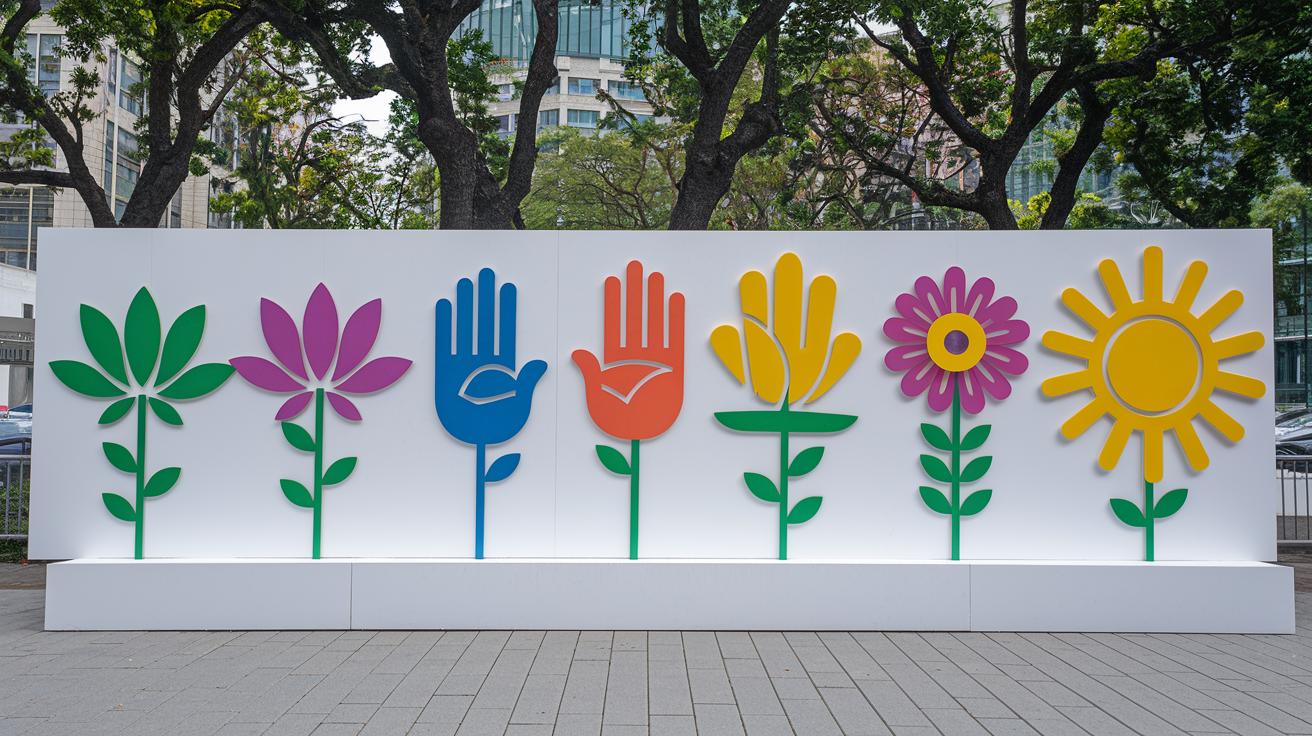
In the 2024 Lok Sabha race, the approved symbols help voters quickly spot the political parties. Take BJP’s lotus, for example, it stands for purity and growth. INC’s open hand represents guidance and inclusion, while AAP’s broom shows their promise to sweep away corruption and outdated politics. These aren’t just designs; they tell stories that stir real feelings in people.
Over time, emblem designs have moved from detailed traditional art to cleaner, modern symbols. This change makes it easier for voters, especially those new to the process, to recognize them fast. It’s like the logo on your favorite product, simple yet unforgettable. Plus, these designs connect deeply with local culture. DMK’s rising sun, for example, speaks of hope and renewal in Tamil Nadu, while TMC’s mix of flowers and grass highlights the local spirit of West Bengal.
Sometimes, the adoption of an emblem sparks debate. Party groups can clash over original meanings or proposed tweaks. Even though these discussions can be challenging, they often push parties to fine-tune their symbols so they resonate more clearly with supporters.
| Party | Symbol |
|---|---|
| BJP | Lotus |
| INC | Open Hand |
| AAP | Broom |
| DMK | Rising Sun |
| TMC | Flowers and Grass |
Ideologies, Leadership Profiles, and Organizational Structures
BJP works through a network of local branches spread nationwide. The central leaders steer key decisions while nearby units take care of community outreach. This setup has united almost 180 million members under one shared vision. Their youth wing, BJP Yuva Morcha, plays a big role in energizing young voters and preparing future leaders. The party is also slowly making room for more women. For instance, one seasoned strategist remarked, "Effective engagement starts at the youth level," underscoring the power of grassroots efforts.
INC, on the other hand, follows a federal structure with national, state, and district committees working side by side. Guided for years by the Nehru-Gandhi family, the party mixes its long legacy of inclusive governance with the need to adapt to today’s changing political scene. Their campus wing, NSUI, gets young members involved early by sharing the party’s values. This approach lets INC use diverse local strengths while keeping its national policies coherent. As someone wisely said, "The charm of a vast network lies in its many voices, each helping to shape a collective narrative."
AAP took a fresh, flat approach after the 2011 anti-corruption movement led by Arvind Kejriwal. Their structure puts a premium on transparency and direct contact with people, stepping away from old, top-heavy hierarchies. The AAP Youth wing pushes this vision further with initiatives that really click with urban and semi-urban communities. This method not only changes how the party operates from within but also sets a modern example of political engagement.
Each party is gradually raising quotas for women to mirror their commitment to fairer representation. Some critics say BJP’s focus on Hindutva as a populist ideology attracts mass support while sticking to traditional values, as discussed in what is populism in politics. In the end, every party’s structure and internal approach reflect its core beliefs, leadership traditions, and evolving strategies to connect with a diverse electorate.
Electoral Performance and Campaign Innovations in Indian Politics

The BJP’s 2024 manifesto is turning heads by promising to create new jobs and introduce a common civil code. They say these changes will spur economic growth with bold reforms. Meanwhile, the INC is leaning into social welfare programs that boost community support and ensure essential public services. One catchy campaign slogan, "Jobs for all, future for every citizen," sends a clear, energizing message to voters.
Digital engagement now lies at the heart of these campaigns. Parties are embracing WhatsApp, Twitter, and local video campaigns to speak directly with the public. Picture a short video that confidently announces, "Your voice counts – together, we build tomorrow." Such messages are simple yet powerful, acting as modern rallying cries.
Grassroots tactics are also making a real difference. Local influencers, community leaders, and dedicated volunteers work hard to translate big policies into everyday solutions. In neighborhood forums, voters share their personal stories of economic hardship and hope. This down-to-earth approach mixes official promises with real community needs, creating a vibrant dialogue between candidates and citizens.
Debates continue as well over what challenges leaders like Rahul Gandhi might pose to Modi’s administration. Protests over Kejriwal’s arrest have also sparked debates about political accountability. These moments hint at a shift, with voters increasingly drawn to campaigns that blend strong policies with personalized messages.
Overall, innovative campaign strategies now mix digital savvy with local engagement. Every vote is influenced not only by big policy declarations but also by genuine, heartfelt exchanges that bring politics closer to everyday life.
Coalition Politics and Emerging Trends Among Parties of India
India's political scene has always been a mix of changing alliances and smart coalitions. After the Janata Party coalition in 1977, many groups learned to balance national ambitions with local needs. This history shows that working together can solve challenges in a multi-party system. Believe it or not, there was even a moment when a small regional party held the deciding vote in a tight assembly, shifting the balance of power.
Coalitions like the UPA in 2004 and the NDA’s rise from 1998 (coming back strong in 2014) prove that alliance tactics are still very much alive. Today, the INDIA alliance brings together big national players and smaller regional groups. Parties like JDU, Shiv Sena, and BJD often turn into kingmakers in hung assemblies, showing that even small groups can make a big impact on policy.
New trends in coalition politics mix modern campaign ideas with old-fashioned deal-making. Coalitions now have to manage complex partnerships as voter loyalties shift. Research on coalition governments shows that when diverse groups team up, unexpected policy changes can happen. An election watchdog (see the role of electoral commissions in managing electoral reforms) plays a key role in spotting real alliances and ensuring the process stays fair.
Looking ahead, savvy parties are tapping into these trends to build even stronger alliances. Minor groups are now more influential, and coordinated efforts are quickly changing the political landscape. Each alliance is becoming a crucial part of the long journey toward lasting change and a stronger democracy.
Final Words
In the action of exploring India’s rich party system, the post walked us through history, national powerhouses, state leaders, and even the stories behind party symbols. It broke down how official lists and constitutional rules shape the government. We also saw how fresh trends and legacy structures blend in today’s politics. All these insights help us understand political parties of india and point toward a bright, informed future.
FAQ
Q: What are the top 10 political parties in India?
A: The top 10 political parties in India include well-known national and influential regional parties. They play key roles in shaping policies and elections within the country’s diverse multi-party system.
Q: What are the 8 national parties of India?
A: The eight national parties of India are those recognized by the Election Commission based on set criteria. Their official status shows they have a significant presence and impact on national politics.
Q: What information does a PDF on political parties in India include?
A: A PDF on political parties in India provides complete details on party registration processes, symbolic emblems, and historical evolution, along with the constitutional frameworks that govern party formation and operations.
Q: How many political parties are there in India?
A: The number of political parties in India is constantly changing, with hundreds registered and a subset gaining official recognition based on votes and support levels as determined by the Election Commission.
Q: What are some symbols of political parties along with their names?
A: Symbols in India, like the BJP’s lotus and INC’s open hand, serve as visual identities. These emblems, often detailed by party names, help voters quickly recognize and connect with each political group.
Q: What does a PDF of political party symbols with names offer?
A: A PDF listing political party symbols with names offers clear visuals and descriptions of each emblem, helping readers understand the unique design elements approved by the Election Commission.
Q: What does an Indian political system PDF explain?
A: An Indian political system PDF explains the country’s constitutional framework, details on party registration, and insights into the multi-party democracy that drives national and regional governance.
Q: What is the i.n.d.i.a party name?
A: The i.n.d.i.a party name refers to a coalition effort by opposition alliances in India, aiming to unite multiple groups and form a cooperative front in response to the current political challenges.


