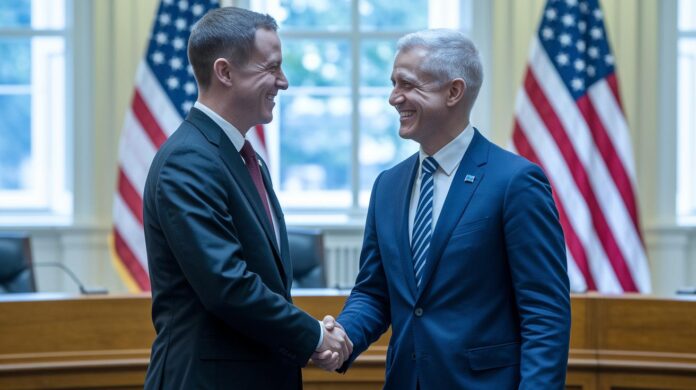
Have you ever wondered why some political teams seem to win big? When different groups team up, they pool their strengths much like players on a well-oiled sports team. This smart strategy helps them win elections and build support for shared goals.
Together, they tackle tough issues with clear ideas, drawing communities closer as they work for real change. It’s like blending a strong sense of values with careful planning, where every idea adds value.
In this piece, we’ll explore how mixing shared beliefs with good strategy drives progress. And really, isn’t it cool how teamwork can shape our future?
Political alliance Ignites United Progress
A political alliance is when two or more parties join forces to work toward shared goals. They combine their strengths and resources to shape political decisions and boost their chances at winning elections. Think of it as a team effort where every player brings something unique to the game.
Sometimes these alliances are set up by clear, written agreements where everyone knows their role right from the start. Other times, they form more naturally based on trust and shared ambitions, without too many formal contracts. Both ways, the idea is to support each other and work together on important political issues.
Before elections, groups often team up to plan their campaigns. They share their messages and pool their advertising budgets to give themselves a better shot at winning. After the votes are in, these alliances might continue if no one party holds a clear majority. In these cases, they work out deals to share power and govern together.
Another key piece is the ideological union. Parties with similar beliefs can come together to make sure their core values guide their decisions. This mix of strategic planning and shared values is what really lights the spark to drive progress in today’s political arena.
Political Alliance Types: Pre-Electoral, Ideological, and Issue-Based

When parties join forces, they can shape their strategies to fit their unique challenges and goals. This clear breakdown makes it easier for them to decide how to team up during campaigns and agree on power sharing when things get intense.
- Pre-electoral alliances: Parties work together on campaign planning and share ad budgets. This teamwork gives them a competitive boost before voters hit the polls.
- Post-electoral coalitions: When no party wins an outright majority, they work out power-sharing deals. This way, even after a tough vote, they keep the government running smoothly.
- Ideological unions: These groups form around shared ideas like environmental protection or social justice. For example, a governor pushing renewable energy might unite with like-minded legislators to create a strong, clear vision.
- Strategic alliances: Here, parties team up based on local strengths or to reach specific groups. It’s all about speaking directly to community needs.
- Minority alliances: Smaller parties might combine their vote bases to meet necessary thresholds. Together, they amplify their voices in a crowded field.
- Issue-based blocs: Sometimes, partnerships form around a single hot topic like national security or climate change. This focused effort helps tackle one big challenge at a time.
Understanding these different alliances helps parties choose the right model for both their immediate needs and future plans. Before starting a campaign, local organizers might say, “We’re stronger together,” capturing the essence of a pre-electoral alliance. Recognizing what each type brings to the table not only sharpens campaign strategy but also makes roles and responsibilities clear, building trust and smoothing negotiations as political landscapes change.
Political Alliance Formation: Strategies and Agreements
A strong plan builds the base for partnerships that move everyone forward. Political groups come together when they share clear goals and find ways to win together. Real alliances start with open talks and a clear plan that guides every choice.
- First, find your common ground. Parties begin by agreeing on key issues like renewable energy or budget fixes. One team might even say, "We're teaming up for a cleaner future."
- Build trust by keeping communication open. Setting up joint work teams helps everyone feel honest and part of the same team. Trust really does make the team work.
- Work out compromises that respect each group’s values. It’s all about meeting in the middle without losing what makes each team unique.
- Write down a clear agreement. Lay out who does what and how decisions get made. This way, everyone knows their role and how to handle conflicts.
- Stay ready for change. Being flexible when things shift keeps the alliance strong even when surprises come up.
In truth, politics can change fast. When you plan ahead and expect the unexpected, your team can keep working together and track those shared goals, no matter what happens.
Political Alliance Impact on Governance and Policy

Political alliances play a big role in making laws and running the government. When parties team up, they can pass tough bills that might stall if only one party were involved. They often work together on budgets and appointments, which makes decision-making smoother and helps laws get implemented faster. But sometimes, parties have to make compromises, which can soften their usual positions.
Trust among alliance members is key. Over time, working together builds a sense of respect that helps them navigate shifting political winds. This trust means policies usually stay steady and aren’t shaken by sudden changes in party strategy. One coalition even said, "Our shared commitment is stronger than any single voice," which shows how talking openly can lead to better plans. Clear conversation and good negotiation keep the government steady and ready for new challenges.
Political Alliance Case Studies: National and Global Examples
Case studies give us a real look at how political alliances work in everyday life. They show how different groups come together, share resources, and work out plans to reach common goals. These stories are like practical lessons in teamwork and smart planning.
In the United States, a group called the National Political Alliance brought several advocacy groups together to focus on important federal and state elections. Formed with a shared vision on Jun 16, 2020, this team effort reminds us that careful planning and clear messages can wake up voters and secure wins in tough races.
Over in India, the United Progressive Alliance was a center-left group that held a majority in parliament from 2004 to 2014. By joining together several parties with similar ideas, they pushed for progressive changes and steady government. Their long run shows that agreeing on common economic and social goals can really move a country forward.
Germany offers another example with the Grand Coalition between the CDU and SPD from 2005 to 2009. Even though these parties had different ideas, they partnered up to pass key reforms through compromise and shared goals. This case reminds us that even opponents can find common ground to make important changes.
Then there’s the African Continental Free Trade Area, a big treaty that links many different regions. This alliance is all about uniting countries to boost economic growth and political cooperation. By mixing various resources and adjusting trade rules together, it forms a team effort for stronger global trade.
When we compare these cases, a few simple lessons stand out. Strong political alliances need a clear purpose, honest talks, and a good amount of trust. Whether the goal is electoral success, steady government, or international trade, these examples show that sticking together and being flexible can help overcome even the toughest challenges.
Political Alliance Critiques and Challenges

Critics say political alliances can mix up clear ideas, leaving voters unsure about the policies on offer. When different parties team up, each one’s unique values can get watered down. Some even note that a once clear political vision may lose its clarity when multiple agendas mix together.
Inside these alliances, there are extra challenges. When groups with different priorities join forces, disagreements over resources and leadership often pop up. Sometimes, one partner may end up leading too much, which stirs tensions and risks upsetting the whole balance. These conflicts can even spill into public disputes, taking attention away from their main goals.
Voter dissatisfaction is another big hurdle. When core beliefs are changed or diluted, supporters can end up feeling misled and losing trust. This erosion of confidence not only weakens the alliance but also makes it harder for the groups to stick together during crucial elections.
Final Words
In the action, we explored political alliance dynamics from clear definitions to real-life examples. We broke down how alliances form, work during campaigns, and guide governance while also noting potential challenges. The outline helped us see how both formal and informal partnerships shape policy and shared values in our political landscape.
This article shows that when parties work together strategically, they can create positive change and impactful decisions. The journey of a political alliance reveals the depth behind cooperation in our democratic system.
FAQ
What is the political alliance crossword clue and its four-letter answer?
The political alliance crossword clue is often answered with “bloc,” a four-letter word that describes a group united by shared political goals.
What is a political alliance example, as seen in news reports?
A political alliance example is when different parties join forces to form a coalition, a strategy highlighted in news reports during elections to boost their influence on policy decisions.
What is a political alliance called, and who are allies in politics?
A political alliance is called a coalition. Allies in politics are groups or individuals who team up based on shared beliefs to combine strengths and achieve mutual political objectives.
What are political alliances in the world, and can you list some types?
Political alliances worldwide range from coalitions formed for elections to long-term partnerships that govern. They include blocs in parliaments and groups uniting to address policy issues across different regions.
What is a political alliance of three people called?
A political alliance of three people is known as a tripartite alliance. This term identifies a group where three parties or individuals join forces to work on shared political goals.
What is the main purpose of an alliance?
The main purpose of an alliance is to combine strengths and resources, making it easier for groups to influence political outcomes, gather support for policies, and handle challenges during elections or governance.


