
Ever wonder how a simple list can change the world? Our leaders choose topics that matter to us daily, like better schools and improved healthcare. When lawmakers zero in on key issues, they help shape reforms that lift entire communities. In this article, we’ll take a look at how a clear political agenda can spark real, positive change. Stay with us as we break down the decision-making process and explain why it truly matters.
Defining the Political Agenda: Core Concepts and Impact

A political agenda is simply a list of issues a party or government decides to push forward. It shows which problems they think matter most, like improving schools, fixing healthcare, or boosting the economy. Sometimes, choosing one main issue can even change public support and shift money away from programs that have been around forever.
The idea behind agenda-setting is pretty interesting. Some topics grab everyone's attention while others get left in the background. Think of it like choosing which parts of a book to explore in great detail while some pages get skimmed over. Researchers such as E.E. Schattschneider have pointed out that this process can give certain issues more credibility, while other topics fade into the margins.
Political agendas also serve as roadmaps for lawmakers. They use these lists to craft bills and guide debates in committees. By setting clear priorities, they can keep discussions focused and push for reforms that matter most to the public. When everything is organized this way, it becomes easier for citizens to see what's really happening and why certain changes are being made.
Political Agenda Through History: Key Milestones and Shifts

Political agendas have grown from earlier movements that sparked big changes in our laws. Over time, major events have nudged state policies in new directions and led to landmark reviews of our legislation. Each key moment shows how shifts in public opinion and debates in policy slowly changed what our society values.
Let’s start with a surprising fact: In the early days of Prohibition, many Americans secretly celebrated the freedom of social gatherings, even if it meant hoisting a clandestine glass of bootleg liquor.
| Year | Issue | Outcome |
|---|---|---|
| 1919–1933 | Alcohol Ban | Nationwide Prohibition and eventual repeal |
| 1964 | Segregation Laws | The Civil Rights Act changed public policies |
| 1965 onward | Tobacco Regulations | Stricter federal rules and health campaigns |
| 2015 | Marriage Equality | Obergefell v. Hodges legalized same-sex marriage |
| Since 1970s | Marijuana Decriminalization | State-by-state moves toward looser rules |
Looking back at these shifts, you can see a clear, steady trend. Society’s changing needs and values have pushed for reforms on issues from alcohol to civil rights and more. It shows that as people’s voices grow stronger, our policies adapt and grow too. Isn't it amazing how public sentiment can steer history towards positive change?
Political Agenda Formation: Theories and Mechanisms

Bachrach and Baratz were among the first to show us how some issues rise to the surface while others get left behind. They pointed out that leaders choose which topics to discuss, leaving many subjects out of the debate. Did you know that in a lively session, while big reforms spark heated talks, smaller yet essential issues quietly disappear?
This idea tells us that the way topics are chosen can really shape public debates. Institutes and think tanks use these methods to put more focus on certain matters. For example, government decision cycles often reveal clear patterns about what gets prioritized and what’s overlooked.
Surveys play a big role in this whole process. The Roper Center survey archive, with records going back to 1979, is like a treasure chest of insights on what matters to people. Researchers use this long-term data to track how public ideas help some topics climb the agenda while others stay in the background.
Think tanks and policy institutes continue to shape how we see issues by regularly publishing governance innovation reports. These reports show how fresh data, input from different groups, and creative ideas work together to build strong political agendas. To learn more about what government policy really means, you can check out this link: (https://brunews.com?p=201).
Political Agenda Sparks Positive Policy Change

Media plays a big role in deciding which topics show up in our everyday talk. When news outlets highlight community projects or dive deep into investigations, they help guide opinions and even shape the rules we follow. It’s a bit like setting a clear civic direction, stories told in a way that everyone from leaders to neighbors can relate to. Think of a local health clinic whose volunteer work suddenly becomes a hot topic, leading to new funding and programs.
- Public Agenda’s Community Voices for Health shares easy-to-use toolkits that help people tackle local health issues.
- The Democracy Renewal Project uses years of research on how our democratic system works (that is, how power is given and used) to give insights that can shape policy.
- Hidden Common Ground works to break down divisions by sharing stories of teamwork between different communities, nudging our public discussions toward unity.
- A survey archive from 1979 until today offers a window into how civic engagement and policy support have changed over time.
Grassroots policy movements have a real power to turn talks into real improvements. Their impact stretches far beyond the headlines, touching both the laws that govern us and our daily practices. By setting up simple ways for people to share their concerns and ideas, these efforts build a lively conversation that can lead to policies shaped by our collective needs and values.
Political Agenda in Contemporary Debates: Climate Change to AI

Climate change is a huge challenge, but it doesn’t always grab the top spot in political talks. Even though it poses a long-term risk to communities, many leaders treat it as just one issue among many. They often push immediate economic or security matters ahead. Yet when communities face rough weather or when ice caps shrink, the effects of global warming become all too clear. Scientists and activists keep fighting to make sure it gets the attention it deserves.
Artificial intelligence (AI) is also making headlines in political discussions. Many see AI as a tool that could change industries and boost efficiency. At the same time, there’s worry that its benefits might only help a small group rather than everyone. Recent debates ask whether AI should shape future government actions or simply serve as a handy tool. With concerns like privacy issues and job automation on the table, leaders are caught between embracing innovation and managing the risks of rapid tech change.
Big global events are adding even more twists to the political scene. Regional conflicts in places like Gaza and the tension in the Russia-Ukraine situation show how international events affect local policies. There are also questions about whose agenda really matters when major figures shift plans unexpectedly. All these factors suggest that future government actions will need to juggle urgent global pressures while also tackling longer-term issues like climate change and AI.
Communicating the Political Agenda: Tools, Tactics, and Strategies
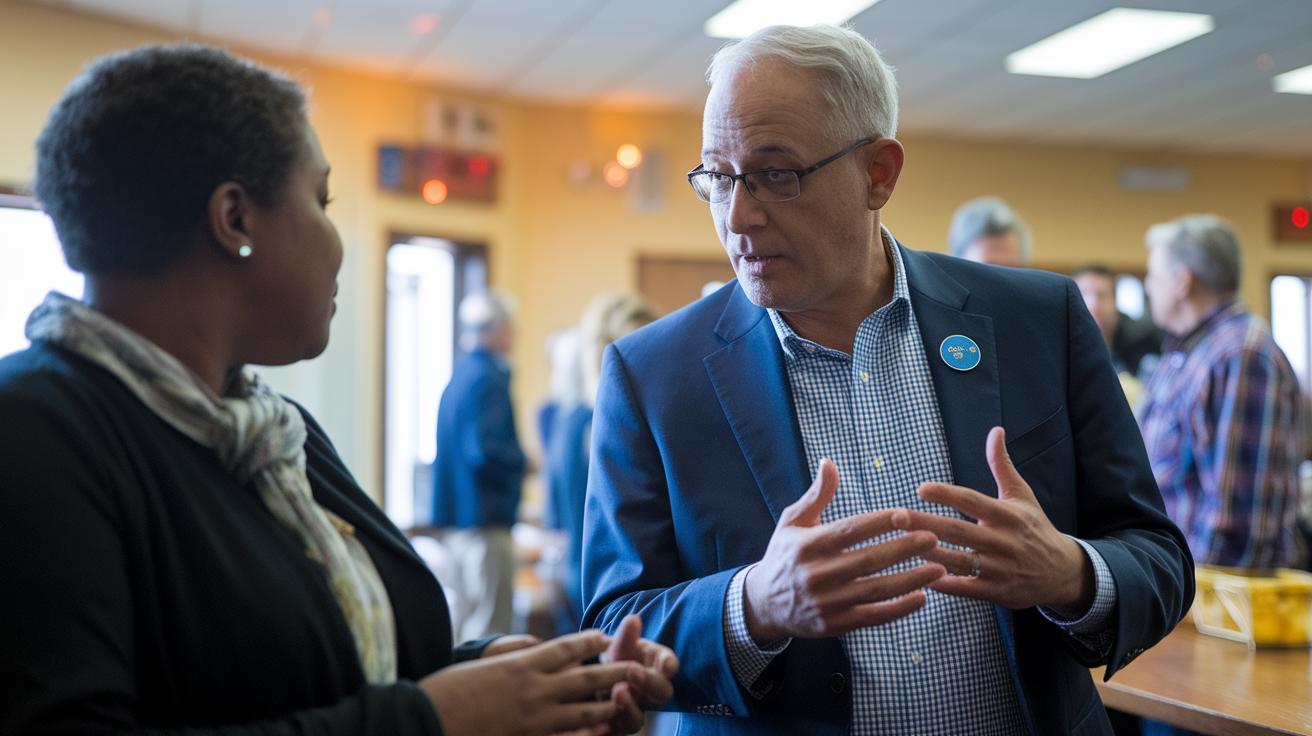
Agendas get shared in many ways to turn big ideas into everyday chat. Short policy notes, public statements, and plans for new laws work together with online campaigns and social media to help people see the path to change, just like a map that guides you step by step.
Politicians mix clear storytelling with real talks with community members. For example:
- They share digital stories that break down tough policies into simple, everyday examples, much like a quick story that shows why a change matters.
- They hold discussions and ask for feedback from local groups to understand how changes might affect real lives.
- They use facts and figures (data from long-term surveys, for instance) to shape the way they discuss issues and set priorities.
Strong plans and clear messages are the backbone of effective political communication. Official orders, key government plans, and well-prepared public ballots together set a solid stage. They not only explain what needs to be done but also guide lawmakers in turning the needs of the people into real, practical actions.
Final Words
In the action, we examined the political agenda and its role in shaping government policy and public debate. We broke down agenda-setting theories, covered historical shifts, and explored how media and grassroots voices guide these discussions. This recap touched on everything from legislative roadmaps to current debates over climate change and AI. Our aim was to present a clear picture of how the political agenda steers policy-making, leaving us optimistic about the power of informed, thoughtful dialogue.
FAQ
What is the political agenda according to government definitions?
The political agenda refers to the prioritized issues that a government plans to tackle through legislative roadmaps and policy objectives, helping shape public policy and governance.
What is political agenda setting?
Political agenda setting is the process where decision-makers determine which issues to address and which to ignore, influencing the focus of public debate and policy discussions.
Can you give examples of a political agenda and its definition?
Political agenda examples include government policy platforms and legislative roadmaps. They are defined as the selected issues that a party or government deems most important to address.
What are some synonyms for political agenda?
Political agenda synonyms include terms like policy platform and legislative roadmap, which convey the idea of a set of priorities guiding government actions.
What is the agenda of a political party called?
The agenda of a political party is called its policy platform, outlining the key issues and priorities the party intends to work on during its term in office.
What is Biden’s political agenda?
Biden’s political agenda focuses on areas such as climate change, healthcare improvements, and economic recovery, reflecting his and his party’s core priorities for change.
What does the public agenda in politics mean?
The public agenda in politics means the issues that receive widespread attention and influence government decisions, often shaped by media coverage and civic initiatives.
What does political agenda 2024 refer to?
Political agenda 2024 refers to the list of priorities and pressing issues that candidates and parties plan to address in the upcoming election cycle, reflecting current debates.
How can you use “political agenda” in a sentence?
In a sentence, political agenda is used to describe the set of top-priority issues that a government or party plans to address during its term.
What comprises the current political agenda?
The current political agenda includes debates over topics like climate change, healthcare access, and economic recovery, outlining the major issues that drive today’s policy discussions.


