
Have you ever thought one idea could reshape global power? After World War II, the United States took a firm stand against Soviet influence. Leaders saw communism as a threat to both democracy and free markets. They built alliances, helped rebuild hard-hit communities, and pushed for key reforms that made nations stronger. This wasn’t just about force, it was a clear message that strong values can set the course for international order. Read on to see how this Cold War strategy of containment still shapes political moves today.
Origins and Objectives of Containment
After World War II, tensions were high and the world felt like it was on the brink of change. Before it became a key strategy in the Cold War, the idea of containment came from a clear need to defend emerging democracies as global alliances shifted fast. The U.S. saw Soviet influence spreading and knew that something had to be done.
President Truman set the plan in motion on March 12, 1947, with his famous Truman Doctrine. He promised essential help to Greece and Turkey, a move that showed the nation was ready to stand against the spread of communism. This wasn’t just about military might, it was a heartfelt pledge to support friends and secure a balanced international order.
The U.S. believed that communism was a threat to democracy and free markets. To tackle this, they made containment a main part of their overall policy. They didn’t rely solely on force. They also pushed for political reforms and economic support to keep allied nations strong in turbulent times.
Here are some of the main goals of this strategy:
| Objective | Description |
|---|---|
| Deter Soviet expansion efforts | Keep Soviet influence in check |
| Support friendly governments | Help allies in key regions |
| Promote U.S. aid programs | Rebuild economies devastated by war |
| Stabilize vulnerable regions | Shield areas at risk of communist takeovers |
These clear aims laid the groundwork for major moves later on, like forming NATO and launching the Marshall Plan. In doing so, the country worked to create a safer world and uphold a balanced international order.
Early Cold War Containment: Historical Context

After World War II, Europe was left with broken roads, damaged buildings, and struggling economies. U.S. leaders started to mix financial help with plans to rebuild these hard-hit regions. Soon, it was clear that just diplomatic support wouldn’t be enough. On March 12, 1947, President Truman signed off on $400 million in aid to help Greece and Turkey, marking a big change in strategy.
Not long after, the Marshall Plan stepped in as a major boost. Over the next few years, $13 billion was directed toward rebuilding 16 Western European nations. This money helped fix markets, rebuild cities, and revive trade while also keeping dangerous political ideas at bay.
| Initiative | Year | Funding | Purpose |
|---|---|---|---|
| Truman Doctrine | 1947 | $400M | Assist Greece & Turkey |
| Marshall Plan | 1948 | $13B | Rebuild 16 Western European nations |
By combining direct financial aid with a broad push for economic recovery, these efforts changed U.S. support from being purely political to a full-scale containment strategy. This approach helped strengthen Western Europe and kept Soviet influence in check.
Development of Containment: Strategy and Key Figures
In February 1946, George F. Kennan sent out his well-known "Long Telegram." He explained that the Soviet Union needed to be kept in check through steady political and economic actions instead of a full-blown war. Before Kennan’s insights, few imagined that a smart and careful diplomatic approach could stand up to a global rival.
In April 1950, a major policy document called NSC-68 advised the U.S. to boost its military strength. It recommended spending more money on defense and developing modern weapons. This new plan moved the focus from just arguing ideas to taking solid military steps to slow down Soviet expansion.
Then in January 1950, Secretary of State Dean Acheson gave a key speech outlining America’s defensive limits. He spelled out practical ways to protect free nations and set up a strong, believable deterrence.
policy of containment Radiates Cold War Clarity
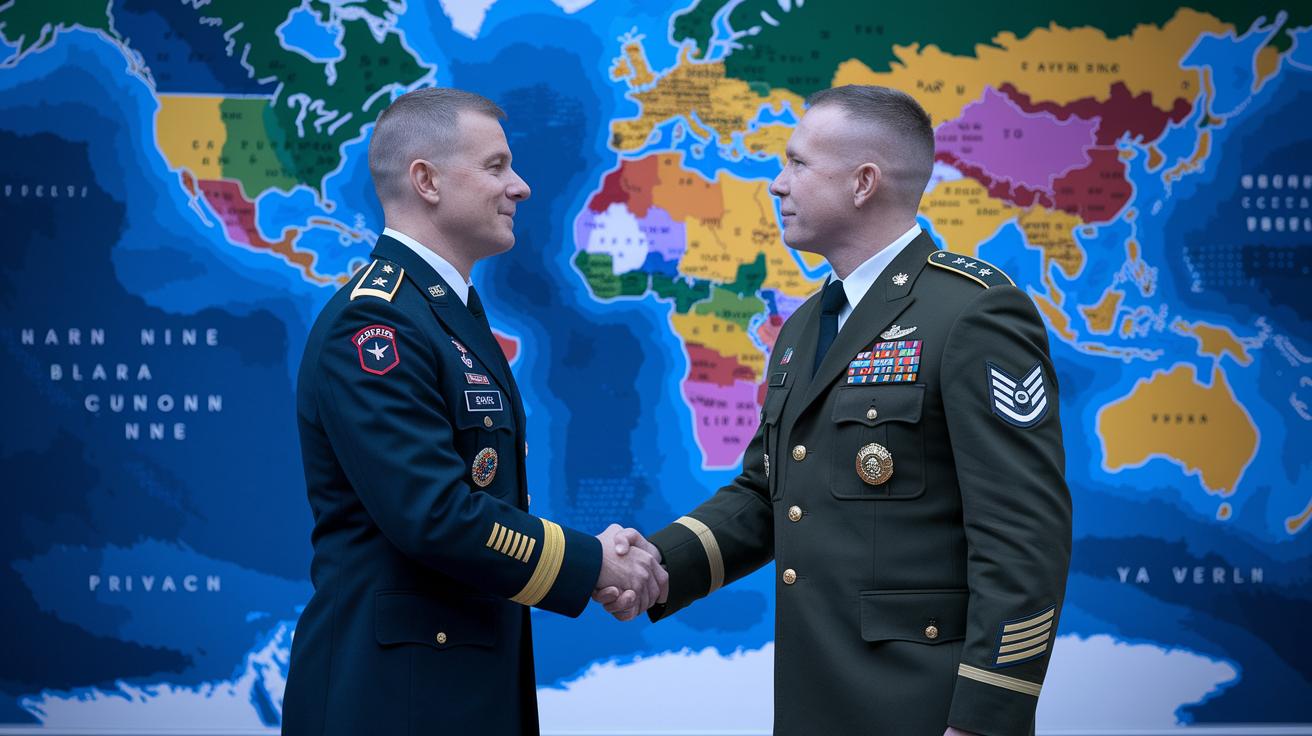
NATO came together on April 4, 1949, bringing 12 Western nations under one banner to resist Soviet pressure. This move marked a big shift in America's approach to stopping the spread of communism. Later, on May 14, 1955, the Eastern Bloc responded by forming the Warsaw Pact, a counter-alliance that deepened Europe's divide and set up a long-lasting standoff.
The Korean War (1950–1953) was the first real challenge to this plan of containment. U.S. soldiers were sent to South Korea to fight on a land where two very different ideas were clashing. This conflict showed how force and strong partnerships worked together to protect a nation from falling under communist influence.
The Vietnam War further pushed the limits of U.S. preventive engagement. In the mid-1960s, America ramped up military support in Southeast Asia with hopes of stopping a communist takeover. However, when Saigon fell on April 30, 1975, it revealed just how tough and costly it could be to use military power to stop the spread of an ideology.
Assessing Containment: Achievements and Criticisms
Containment was seen as a key plan to stop Soviet power from flooding into Western Europe. It helped countries recovering from World War II, supported growing democracies, and rebuilt economies with efforts like the Marshall Plan and the creation of NATO. This strategy kept Soviet influence from clawing its way into regions with shaky governments, and it became a clear symbol of European security during tough times. For instance, countries once vulnerable to outside pressures found a fresh start under U.S. support.
On the other hand, U.S. actions in Asia, especially during the Vietnam conflict, sparked serious concerns. Critics argue that the heavy toll, both in human lives and money, showed that the bold military moves urged by NSC-68 might not have matched the initial peaceful aim of containment. These interventions led to lasting social challenges and left many wondering if the approach was more harmful than helpful.
Scholars continue to question containment's legacy. They debate whether the political and economic gains in Europe were really worth the high costs and massive military commitment made elsewhere. This ongoing discussion reminds us that while containment did shield Europe, its application in other areas often came with steep and sometimes troubling consequences.
Long-Term Impact of Containment on Global Relations
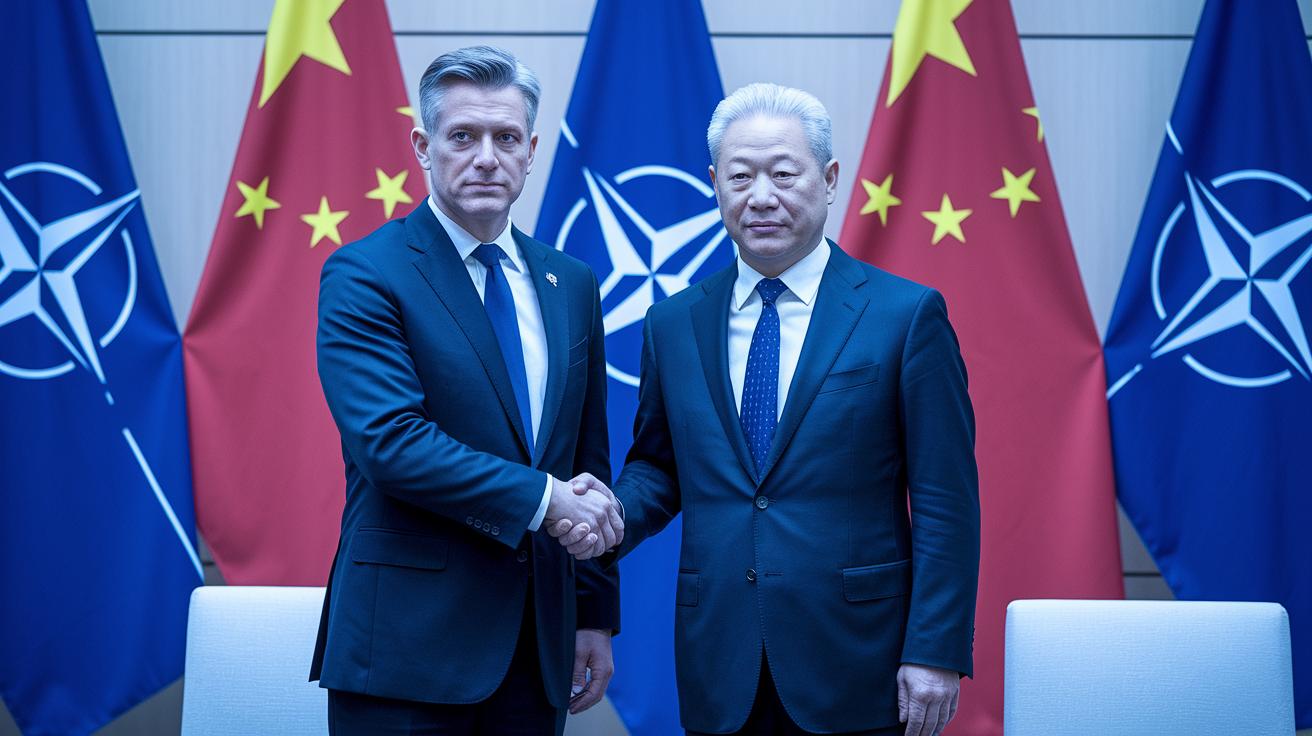
After the Soviet Union fell apart in 1991, NATO began to welcome countries from the East. Many of these nations were once part of the Eastern Bloc, and bringing them into the Western security group was a clear sign that the old idea of containment was still alive. It was all about keeping the balance of power in Europe and stopping any disruptive forces from rising again.
Even after the Cold War ended, the U.S. kept its focus on this containment mindset toward Russia. American policy leaned on deterrence (using a mix of diplomacy and military strength to discourage actions) to keep Russian ambitions in check. It’s like, even though the world was shifting, the tried-and-true principles from the past still helped guide decisions about risk and strategy.
Today, discussions over how to manage China seem to echo these earlier moves. U.S. leaders believe that building strong alliances and staying ahead of risks can help avoid regional imbalances and keep global stability in check. In many ways, the legacy of containment offers a kind of roadmap for tackling new security challenges in our increasingly complex world.
Final Words
In the action of shedding light on containment, we explored its origins anchored in the Truman Doctrine and how it shaped U.S. strategy through measured economic and military support. We traced key developments from early Cold War initiatives to alliances and modern implications, revealing a multi-layered effort to curb Soviet expansion.
By revisiting these pivotal moments, this article shows the enduring role of the policy of containment in shaping global relations. The insights here leave us with hope for informed debate and progress ahead.
FAQ
What is the policy of containment in WWII?
The policy of containment emerged after WWII to stop communism’s spread by limiting Soviet influence and supporting governments that resisted communism.
What is a policy of containment PDF?
A policy of containment PDF is a downloadable document that explains the strategy and historical details behind America’s approach to limiting communist expansion.
What is the policy of containment in the Cold War?
The policy of containment during the Cold War focused on stopping the spread of Soviet influence by using political, military, and economic measures to support democratic nations.
What is the policy of containment definition?
The policy of containment is defined as a U.S. strategy aimed at preventing the spread of communism by supporting governments and using aid programs to counter Soviet actions.
What does the Truman Doctrine state?
The Truman Doctrine established the policy framework to support countries like Greece and Turkey, aiming to counter Soviet influence and secure friendly governments in the early Cold War period.
What is the policy of containment summary?
The policy of containment is a strategic approach that sought to slow Soviet expansion, support allies, and promote economic stability through aid and international alliances in several global conflicts.
What are some policy of containment examples?
Examples of the policy include U.S. financial and military support to Greece and Turkey, economic aid through the Marshall Plan, and defending democratic nations from communist influence in various regions.
What are examples of containment during the Cold War?
Examples include NATO’s formation to unite Western nations, U.S. involvement in the Korean War, and economic measures taken to rebuild Europe through aid programs.
Which best describes the policy of containment?
The policy of containment is best described as a strategy to restrict communist expansion by backing governments, economic recovery plans, and military alliances against Soviet pressure.
What was the role of containment in NATO?
Containment shaped NATO by uniting Western nations to deter Soviet aggression and create a collective defense strategy that fostered stability and security among its members.
What was the policy of containment in the Vietnam War?
In Vietnam, the containment policy aimed to halt the spread of communism by supporting South Vietnam against communist forces, although it later faced criticism for its heavy military involvement.
What are the four goals of containment?
The four primary goals of containment were to deter Soviet territorial expansion, support vulnerable governments, promote economic recovery through aid, and build strong international alliances.


