
Ever wonder if a growing crisis might spark bold optimism? Leaders are spotting mixed signals in our money matters and politics. These signs hint at market shake-ups and tougher rules. Instead of giving in to worry, experts see a clear call to action. They believe that by working together and trying fresh ideas, we can turn danger into opportunity. This change in thinking might just lay the foundation for a future that feels stronger and more secure.
Next Global Crisis Warning Signals and Early Indicators
The financial system is flashing clear alerts these days. The U.S. Senate approved the GENIUS Act on June 17 to regulate stablecoin issuers (companies that manage digital currencies), and that move has set off some serious alarm bells. Experts worry that this could chop up the market and even trigger a financial crash that would shake global stability.
Political and economic trends are mixing together to signal a coming crisis. Some critics say too much oversight might disrupt how markets naturally set prices. Meanwhile, ideas like a unified Stablecoin Accord show that lawmakers are already brainstorming ways to balance digital asset rules, even as concerns about rising debt and inflation grow.
Warnings from finance, politics, the environment, health, and even our infrastructure are all coming together to create a big caution sign. Every signal highlights weak spots, from sudden market changes to strained health systems, suggesting that even a small shock might spiral into a much bigger problem.
- A sharp rise in national debt troubles
- Sudden bursts in inflation levels
- Increased ups and downs in major market indexes
- Growing hotspots of geopolitical conflict
- Breakdowns in global supply chains
- Rapid temperature swings and extreme weather events
- Renewed challenges from pandemic recovery
- Mixed and fragmented digital currency regulations
All these signs don’t just point to potential economic and political disasters, they also serve as a wake-up call. With bold ideas and global teamwork, we can turn these early crisis signals into chances for strong, positive change, setting the stage for a future where we meet challenges with proactive optimism.
Economic Drivers of the Next Global Crisis

Many experts now see rising government debt as a big warning sign. In several G20 countries, national debt has exceeded 120% of GDP, which makes people worry about long-term fiscal health. These high debt ratios are straining national budgets and pushing up the risk of defaults. On top of this, the GENIUS Act has introduced a set of tricky rules for stablecoin markets (these are digital currencies designed to maintain a steady value). While the aim was to modernize market controls, these measures might actually stress financial systems already burdened by growing debt.
Inflation is turning up the heat, too. As central banks work hard to keep prices in check, even a small misstep in their communication can trigger problems across the market. Signs of market instability are already emerging, hinting at potential financial shocks that could affect both traditional assets and new digital investments. This gap in clear policy messaging is unsettling many investors who worry that one shock could set off a chain reaction in the interconnected global market.
In times like these, the steps taken by central banks and government leaders are crucial. Policymakers are urged to take a close look at the fiscal policy economic outlook as they adjust their strategies to restore market confidence and tackle the challenge of swelling debt levels.
Geopolitical Tension and Conflict Risks in the Next Global Crisis
Around the world, a few hot spots are acting up and could spark bigger conflicts soon. In places like Eastern Europe, the Middle East, and parts of Asia, long-lasting disagreements paired with new political unrest are pushing these areas toward potential conflict. These regions, known for simmering tensions, are now feeling the strain of economic and political pressures that make even small skirmishes risky, they might quickly spark larger disputes.
These conflicts can also shake up global markets. When tensions rise, key transport routes, energy paths, and major trade corridors can face delays or even shutdowns. This means businesses might struggle as raw materials become hard to find and prices jump unexpectedly, affecting investors and local economies everywhere. It’s a clear sign of just how tied our world’s economy is to political stability.
History has shown us that local conflicts can spread their negative effects far beyond their borders. Past incidents have led to sudden jumps in oil prices and tighter financial markets worldwide, proving that even small disputes can snowball into major economic troubles. It’s a firm reminder of the risks we run when geopolitical tensions aren’t managed properly.
Climate and Environmental Threats Shaping the Next Global Crisis

Heavy heat waves and violent storms are now part of our everyday news, and they’re shaking up our routines in real time. The sea is rising faster than ever, redrawing the coastlines and pushing communities to move inland. It might seem small at first, but even a little climate change can set off big, lasting shifts. Just imagine a small coastal town that, within one season, saw almost a foot of sea-level rise, this isn’t just something that might happen someday. It shows us that the next big global crisis could be knocking on our door really soon.
In many parts of the world, people are also dealing with a growing lack of fresh water as droughts grip major farming areas. Crop failures are increasingly common, which strains both food supplies and local economies. Rivers running low and reservoirs drying up make it clear that water scarcity is piling on to the local environmental stress. In regions where both water and good farmland are hard to come by, everyday life can quickly be thrown into turmoil. Picture a small town with withered fields and unpredictable water sources, where each day brings a new struggle. This chain reaction of local resource shortages might just spark wider economic challenges, deepening the crisis we face globally.
Public Health Vulnerabilities and Pandemic Recovery Challenges
COVID-19 still lingers in our daily lives, reminding us that healing takes time. Many neighborhoods are still dealing with gaps left by early vaccine drives, and some people haven’t gotten their boosters yet. This leaves them more at risk when new strains show up. It’s like having patches in a quilt – uneven protection can invite local outbreaks. Even though we’ve come a long way, the pandemic’s shadow still holds on, with ongoing infections and big questions about future variants.
Healthcare systems are feeling the pressure every day. Hospitals and clinics are short on everything from masks to essential medicines, which makes fighting new health threats really challenging. Local, state, and national agencies don’t always sync up, and that can cause delays and mix-ups when we need quick action. Add staff burnout into the mix, and even a small rise in illness can quickly grow into a bigger problem that tests our recovery as a whole.
Infrastructure and Supply Chain Risks Driving the Next Global Crisis
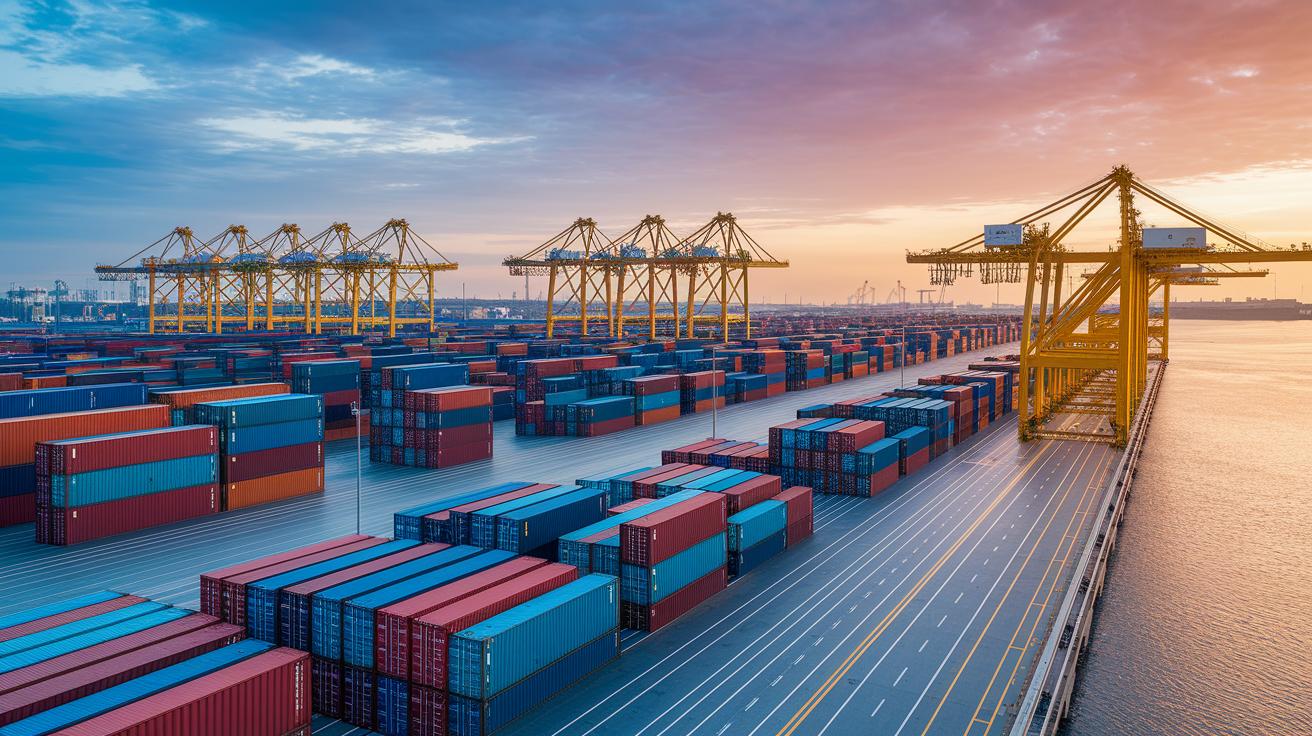
Manufacturing hubs and major shipping centers are showing signs of strain. Imagine a bustling port coming to a halt because shipments are delayed, leaving factories scrambling for missing parts. When one part of the supply chain slows, it creates a domino effect that can shake up entire industries.
Energy markets are feeling the heat too. Shortages and sudden oil shocks are making prices swing unpredictably. As the demand for oil shoots up while supplies lag behind, costs rise, pushing transportation and production expenses even higher. Unexpected roadblocks along trade routes only add to the mix, highlighting how fragile our global economy can be when supply chains falter.
At the same time, cyber threats are becoming a growing worry. Hackers and software breaches are targeting key infrastructure, risking shutdowns of vital communication networks. These cyber attacks could suddenly cut off essential connections, adding to the challenges already faced by physical systems and making it harder for modern economies to keep running smoothly.
Scenario Planning and Crisis Management for the Next Global Crisis
We all know the future can be unpredictable. Getting ready for tomorrow’s surprises now is crucial to avoid big problems later. Leaders in governments and businesses are already exploring shared plans like the international Stablecoin Accord. They see it as a smart, united way to handle crises. The goal is to plan ahead so that when challenges hit, there’s a strong, flexible plan to follow.
Experts suggest taking a few simple steps:
- Draw up plans for normal, good, and bad economic outcomes.
- Think about how political tensions could rise and how to manage them.
- Test how strong the supply chain is when facing sudden shocks.
- Mix in climate change forecasts when planning financial moves.
- Run simulations to see how a pandemic might spread against hospital limits.
- Compare different rules coming together versus working on their own.
Good crisis management means speaking clearly and working closely together. Leaders set up solid systems to notice early signs of trouble and act quickly. They often form teams across countries to share news and avoid slow, isolated responses that might drag out hard times.
It’s also key to keep learning and adjusting. Leaders are now reviewing their emergency plans regularly and updating them when new information comes in. When everyone, from government officials to business executives, works together, they can respond quickly. This shared approach builds strength and offers hope for a future where wise planning turns potential crises into chances for a fresh start.
Building Global Resilience Against the Next Global Crisis
Investing in early-warning systems, better data sharing, and checking risk factors everywhere is our first step to a safer future. Governments and businesses are keeping an eye out for early trouble signs. For instance, a small town once noticed strange water levels right before a flood hit, which allowed for a fast, life-saving evacuation. These efforts let everyone get ready well before a disaster strikes.
Policy changes also play a big role in making us stronger. Leaders are working to lighten heavy debt, build up cash buffers (extra funds set aside for emergencies), and widen social safety nets to support communities and businesses during rough times. By easing financial burdens and providing extra funds, countries can better protect their people when shocks occur. This plan not only steadies economies but also gives the public real hope that help is always near.
Working together on plans, checking them often, and learning from past experiences make our response even better. Regular reviews of emergency plans let officials tweak their strategies to handle new challenges. For example, a swift, coordinated effort in one small city turned a near-disaster into a powerful demonstration of community strength. This group effort helps set up a strong, flexible plan for handling global crises.
Final Words
in the action, we examined early warning signals across economic, political, environmental, health, and infrastructure areas. Each section highlighted stress points such as rising debt, policy fragmentation, and supply chain strain. These insights create a clear picture of pressure building in various systems. The detailed look at these indicators helps us see how interconnected factors could escalate into the next global crisis. By remembering these signals, we can work together and make smarter choices to stay strong and adapt in an ever-changing world.
FAQ
FAQ
Q: What does “global crisis” mean and what is the current global crisis?
A: The term “global crisis” refers to a mix of major issues in finance, politics, health, and the environment that can lead to widespread disruptions. Current signals include rising debt and regulatory shifts.
Q: What is the Global Crisis Response Group UPSC?
A: The Global Crisis Response Group UPSC is a proposed team of experts and policymakers tasked with monitoring early warning signs and coordinating actions to manage potential global instability.
Q: Where can I watch the Next Global Crisis video and find discussions online?
A: Next Global Crisis video content is shared on Reddit and popular streaming sites, with some platforms offering free access to full-length videos along with community discussions.
Q: Who is in the Next Global Crisis cast, including noted actresses from Solaris and Athena?
A: The Next Global Crisis cast features a mix of skilled actors and recognized actresses, including those linked to Solaris and Athena roles. For complete details, check official cast listings.


