
Many people might think the manufacturing sector is in a tough spot. But that's not the full picture. Even with high borrowing costs, steady inflation, and delays in the supply chain, many manufacturers are finding clever new ways to innovate.
Back in 2024, factory managers saw little growth and had to deal with strict policy changes. Now, they’re rethinking their investments and strategies to move ahead. It’s almost like they’re hitting the refresh button. Even though prices are rising and rules keep changing, the industry is slowly steering toward steady progress and solid improvements.
Manufacturing Sector: Current Forecast and Industrial Performance
Global manufacturers are bracing for changes in 2025. New technologies and ongoing global tensions are shifting the way production happens around the world. In recent years, many businesses have stepped away from old methods, trying to stay ahead. But in 2024, mid-market manufacturing struggled, facing flat or even negative growth because of high interest rates, steady inflation, and delays on policy moves like bonus depreciation and R&D incentives. So, many companies are now turning to innovation to tackle market ups and downs and meet quick-changing production needs.
In the United States, the manufacturing scene is showing careful hope. After a bounce-back in GDP during the second half of 2022, the industry got a decent start for slow but steady growth. Experts predict long-term growth around 2%, although concerns linger for mid-market players and the sector as a whole. Many firms are rethinking how they work and where they invest, all while adjusting to this new economic climate.
Manufacturers are keeping a close eye on the business cycle and fiscal stability. New data from important economic indicators is guiding decisions on spending and future strategies. There’s a clear interplay between inflation worries and long-term cycle trends, which experts say will shape smart planning. All of these factors point to a careful approach, where gradual growth and focused innovation are the keys to moving forward.
Trade Regulations and Tariff Impacts on the Manufacturing Sector
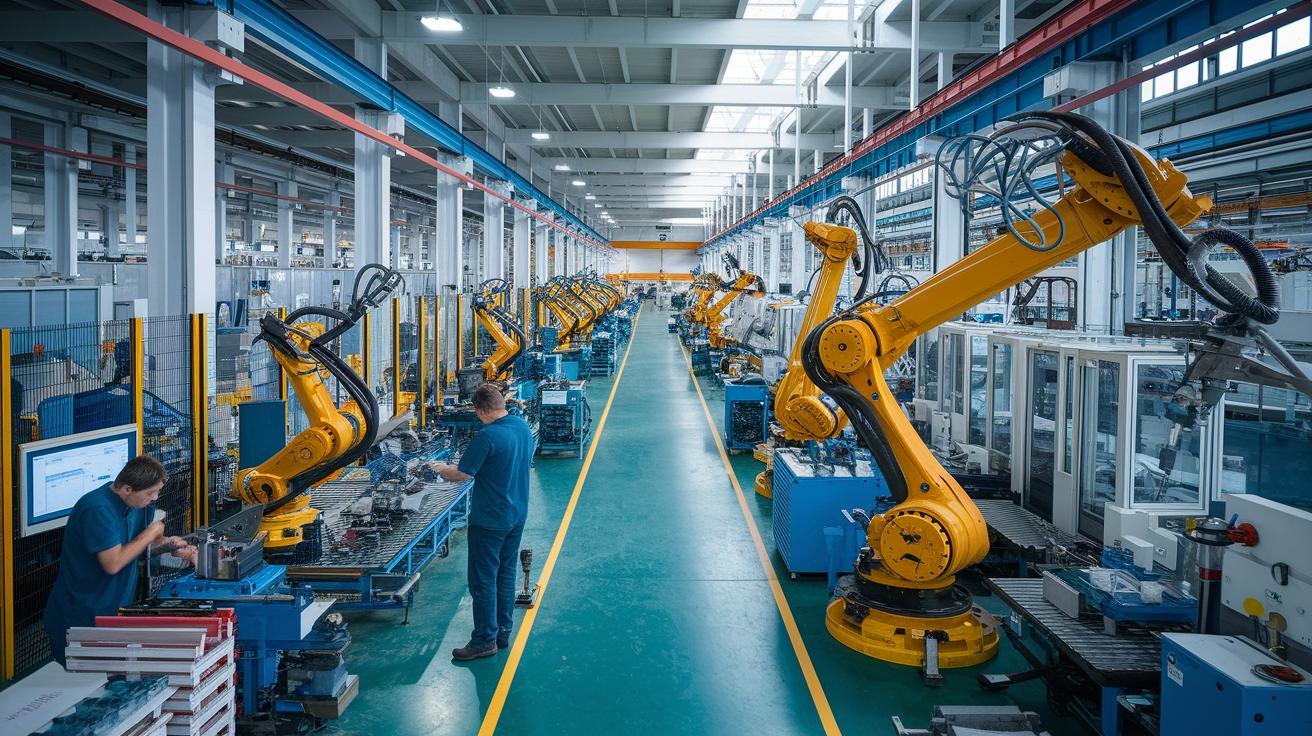
In early 2025, the U.S. rolled out new tariffs on China, Mexico, and Canada. These new charges are shaking up the way manufacturers handle their costs, and companies are scrambling to adapt. Many managers are saying that the rules now make it tricky to get raw materials and parts, as shipping prices jump up and supplies become harder to find. Imagine a factory suddenly hit with higher costs because its long-time supplier raised prices, it’s a real headache.
• Input costs on intermediate goods have soared
• Supply routes are shifting, leading to shipment delays
• Export prices are under pressure to stay competitive
These tariffs are forcing companies to rework their supply chains and change their pricing strategies. Freight charges are climbing, and bottlenecks are becoming common talk among industry planners. Many are now rethinking production routes and scouting for alternative suppliers. Global trade is being reshaped, pushing manufacturers to re-evaluate their competitive edge in the world market. Some firms have even started exploring new regions outside their usual markets to find cost savings. With policy changes adding extra layers of complexity, manufacturers are busy planning long term to keep their production running smoothly and maintain strong export appeal.
Manufacturing Sector Economic Outlook: Bright Market Trends
Eighty-nine percent of manufacturers are set to bring AI into their production lines by the end of 2025. This shift is like giving a factory a smart assistant that points out issues, cuts down waste, and boosts productivity in real time. I mean, imagine a plant that tweaks its settings on the fly to avoid downtime, pretty impressive, right?
Advanced robotics are also taking center stage. Smart factory systems now handle routine jobs like spotting anomalies, doing regular equipment checks, and adjusting production steps. These modern tools not only speed up work but also make the workplace safer. Picture a robotic arm catching a fault before it turns into a big, costly problem.
• Enterprise-wide AI integration for predictive analytics
• Collaborative robotics in assembly and inspection
• Cyber-physical systems and digital twins
• Advanced IoT sensors for real-time monitoring
• Converged IT/OT cybersecurity frameworks
The merging of digital and physical systems is transforming how factories operate. With cloud computing and real-time monitoring, machines and digital tools work together seamlessly, tracking production better and fixing issues faster. At the same time, cybersecurity is a growing concern, nearly 40% of manufacturers have reported cyberattacks, with breach repair costs nearing $5 million. This has forced companies to rethink their security strategies to maintain these exciting market trends while keeping productivity and resilience on track.
Supply Chain Resilience and Reshoring in Manufacturing Sector Forecast

Manufacturers are moving their production back home as global supply chains keep running into problems. They’re facing delays, running out of materials, and dealing with high shipping costs. So, many are rethinking their strategies by choosing local suppliers for steadier, quicker production. For instance, some plants are now favoring nearby sources to cut down on transit times and keep operations rolling even when international trade is unpredictable.
At the same time, companies are sharpening their inventory management and distribution systems. They’re carefully balancing how much to keep in stock and using smart, real-time tracking to avoid gaps or oversupplies. These new, streamlined workflows help cut delays and ensure products stay top-notch. It’s all part of a bigger plan to learn from past challenges and adjust accordingly.
Today, blending digital tracking with nimble response systems is emerging as a key tactic in keeping manufacturing both efficient and reliable.
Labor Force Trends Shaping the Manufacturing Sector Outlook
Persistent worker shortages are weighing heavily on the manufacturing world. Changing demographics, retirements, and new policies have created a big gap in skilled labor. Many experienced employees are leaving, and companies are feeling the pinch when they need extra hands the most. Imagine a factory suddenly missing its seasoned team; the effects on daily routines and output are immediate, and companies are racing to find equal replacements.
Manufacturers are taking action by investing in training programs and smart ways to keep their teams intact. Companies are launching on-the-job learning and mentorship programs that help improve worker performance and safety. They’re also offering recruitment rewards and hands-on training to build a more reliable team. It’s a bit like putting together a puzzle, each piece strengthens the whole production chain as workers gain the skills they need in this fast-changing industry.
Energy and Raw Material Cost Dynamics in Manufacturing Sector Forecast
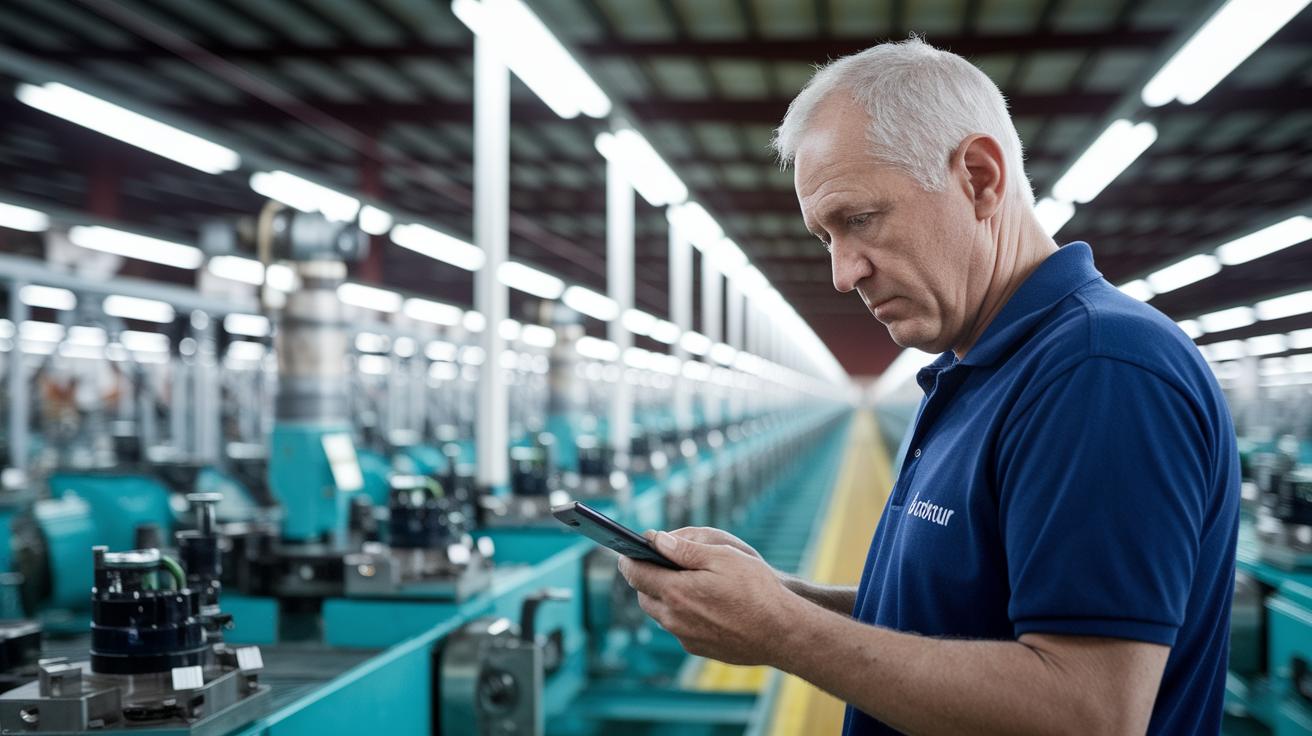
In early 2025, rising energy bills and higher raw material prices squeezed profit margins, leaving many factories under intense financial pressure. With budgets tighter than ever, plants began rethinking spending and finding smarter ways to operate.
To tackle these challenges, manufacturers are investing in efficiency upgrades and steps to meet environmental rules. They’re cutting back on emissions and fine-tuning their production processes, almost like tweaking a thermostat during a sudden heatwave. Many plants are working hard to cut energy use and waste, all while sticking to strict environmental standards. Some companies are even examining their supply chains to find more affordable materials and better energy options. A few have started using real-time monitoring systems to track consumption, ensuring every little change helps control costs and supports greener practices.
Looking ahead, manufacturers are exploring fresh ideas and new cost-management strategies to protect against future price hikes. They’re putting money into alternative energy sources and digital controls that could be key in keeping profits steady as market conditions continue to change.
Regional and Global Disparities in Manufacturing Sector Economic Outlook
Manufacturers around the globe are gearing up for a bumpy ride in 2025. Global production numbers give a mixed signal. Lately, we’ve seen weaker demand in the second half of 2024 and higher interest rates, which means companies are feeling the squeeze. Budgets are tighter, and big orders are being delayed. Even established players in markets known for strength are taking a more cautious approach to keep up with shifting order volumes and investment trends. It’s a moment when growth plans need to be balanced with care, as economic signals continue to bounce around.
Different regions are facing their own sets of challenges. Some areas hold strong thanks to lower energy costs and efficient supply chains. Meanwhile, other regions struggle under heavy tariffs and unpredictable energy prices. In places with smoother policies, manufacturers can better manage expenses and keep exports steady. On the flip side, areas hit with high tariff rates and unstable supply routes find it much tougher to compete on the global stage. These regional differences really show how local economic conditions shape the overall market story.
Growth Forecasts and Capital Investment Insights for Manufacturing Sector

Experts are predicting that factory output will grow slowly in 2025, just a few percentage points, and manufacturers are planning to spend more on digital upgrades and automation. Imagine a factory where smart sensors and automated machines work in harmony, keeping production steady even when the market isn't booming. Because of this cautious forecast, many companies are rethinking their production methods and investing in tech that can make processes run more efficiently. One modern assembly line, for instance, adjusts based on live data to reduce downtime and keep production levels high in a competitive market.
Money is being funneled toward technologies that spark innovation and offer better returns. Companies are pouring funds into AI platforms, robotics, and cybersecurity upgrades. These investments are seen as building blocks for a more resilient future. Leaders in the industry are not only examining profits closely but are also putting comprehensive security strategies in place to fend off digital risks. Picture it as a full system upgrade, from digital systems to the physical machinery, to build smarts and connections throughout the entire production network.
Investors are also taking a more careful look at where they put their money, balancing risks with new growth opportunities. By planning for possible challenges, companies are better able to spend their resources wisely on areas with the most promise. This thoughtful mix of risk evaluation and focused capital spending is setting the stage for steady progress in a manufacturing world that’s always changing.
Final Words
In the action, the blog post highlighted key factors shaping the manufacturing sector economic outlook. We looked at trade measures affecting cost structures, cutting-edge automation gains, and supply chain shifts tied to reshoring efforts. We also touched on labor trends, rising energy costs, and regional market differences.
This snapshot shows how various challenges and strategies mix in today’s market. It leaves us with a sense of optimism that smart planning and innovation will guide the sector toward steady progress.
FAQ
What does the manufacturing sector economic outlook pdf detail?
The pdf details global trends, U.S. performance, and near-term forecasts, covering growth estimates, fiscal factors, and business cycle effects to provide a clear snapshot of the manufacturing sector.
What is the manufacturing industry’s outlook for 2025?
The outlook for 2025 shows single-digit growth driven by digital technology investments, shifts in global demand, and evolving policy measures that affect overall sector performance.
What does the industrial production forecast indicate?
The forecast indicates modest expansion amid challenges like high interest rates and inflation, with a focus on technological advances and steady recovery in productivity over time.
What trends are shaping the manufacturing industry today?
Trends like increased AI integration, collaborative robotics, evolving cybersecurity frameworks, and trade regulation changes are transforming how manufacturers operate and plan for the future.
What are the challenges facing the manufacturing industry?
Challenges include labor shortages, rising energy and raw material costs, tariff pressures, and global supply-chain bottlenecks that require strategic adjustments and technological investments.
What is the outlook for manufacturing in the US?
U.S. manufacturing shows signs of gradual recovery with forecasts near 2% growth, while dealing with cost pressures, workforce challenges, and the impact of evolving trade policies.
What is the future of the manufacturing industry?
The future features greater digital and automation integration, resilient supply chains, and continuous adaptations to changing trade policies and economic conditions, paving the way for long-term, steady growth.


