
Have you ever wondered how millions of dollars spent separately from campaigns can shape an election? These independent political expenditures let groups run their own ads without any direct ties to a specific candidate. In other words, voters get clear, standalone messages about who to support or oppose.
In this post, we break down how these funds work and explain why keeping this spending separate makes the process more transparent. Curious to see how this independent financial force is changing the political landscape? Read on and find out.
Understanding Independent Expenditures in Political Campaigns

Independent expenditures are funds used for ads or messages that back or oppose a candidate without teaming up with that candidate or campaign. They’re not direct donations, which are gifts given straight to a campaign, and they can’t mix with any campaign-approved activity. Instead, they stand alone, keeping the spending clearly separated from any official campaign efforts.
Sometimes, groups spend millions on ads favoring one candidate while officially keeping a safe distance from the campaign. It’s surprising, but it shows just how independent this kind of spending really is.
The Federal Election Commission (FEC) requires these groups to share detailed reports. These documents list the total money spent, the types of messages printed or broadcasted, and the candidates who are either supported or opposed. In contrast, direct donations have strict limits and set reporting rules, which makes independent expenditures unique because the main focus is on keeping spending open and clear.
Often, organizations form political action committees, or PACs, to manage these independent expenditures. These PACs fundraise according to FEC guidelines that ensure every dollar’s source and purpose is tracked. This transparency lets voters and regulators see how funds move through our political system, helping keep the playing field fair as spending trends change.
Legal Parameters and Regulatory Framework for Independent Expenditures

Independent expenditures have to follow strict FEC rules. Any money spent on ads or political messages must be reported using FEC Form 5. Groups must show the total money spent and explain the purpose behind each message. This way, every dollar is tracked carefully. For instance, if a PAC spends money to support a candidate, they have to explain how the funds are used, which keeps the process clear and fair.
Our current rules rest on key laws like the Federal Election Campaign Act of 1971 and the Bipartisan Campaign Reform Act of 2002. These laws set clear limits on spending while respecting free speech. Big court cases, such as Buckley v. Valeo (1976) and Citizens United v. FEC (2010), have also helped shape the rules. They ensure that spending on political messages remains separate from direct campaign contributions, making everything more transparent and accountable.
Entities must stick to set reporting deadlines to avoid fines. If they miss these deadlines, they could face hefty penalties depending on how late the report is. Regular audits check that every expense is properly recorded, and the FEC’s Office of General Counsel oversees these checks. These steps make sure that all external funds are used and reported according to FEC guidelines.
New laws have tweaked these FEC requirements over the years. If you’re curious about these changes, check out our analysis of recent electoral law changes. Every part of the process, from detailed reporting to comprehensive audits, helps keep political advertising clear and builds trust in our democratic process.
Historical Evolution and Landmark Rulings on Independent Political Spending

Back in 1976, the Buckley v. Valeo case reshaped how we think about money in politics by ruling that spending money to influence elections is a form of free speech. It was a breakthrough moment, much like a bold play in a sports game that completely changes the score.
Then, in 1986, FEC v. Massachusetts Citizens for Life backed up the idea that nonprofits can spend unlimited funds on independent political messages. Think of it like an artist with a full palette, free to pick any color they want to paint their picture.
The McCain-Feingold Act of 2002 stepped in next, putting rules on “soft money” to slow down unregulated spending while still honoring free speech. It’s like setting clear boundaries in a friendly game, ensuring that everyone plays fair without killing the fun.
By 2010, rulings in Citizens United and SpeechNOW.org further transformed the landscape by paving the way for Super PACs and 527 groups. These decisions made independent political spending a major force in elections, similar to how fresh strategies can completely change the dynamics of a game.
independent political expenditures Boost Campaign Clarity
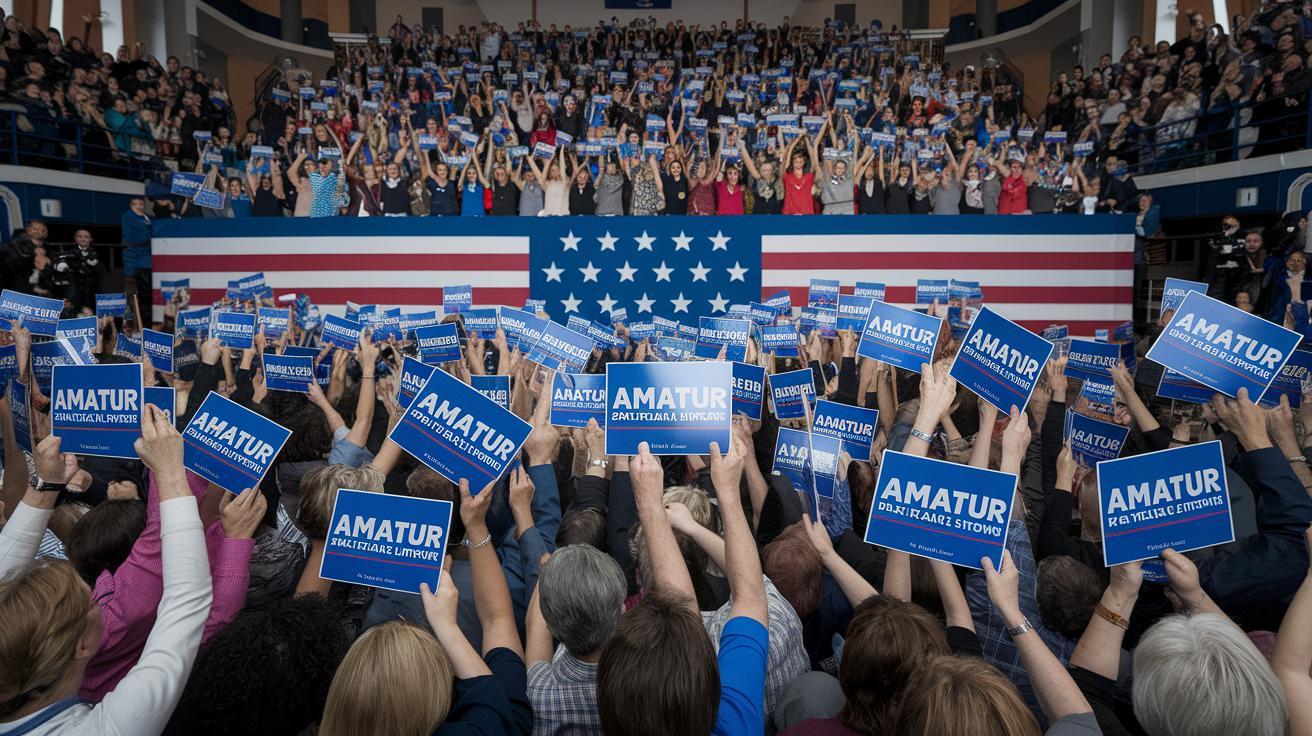
Independent political spending plays a big part in shaping campaign stories. In 2012, for instance, Crossroads GPS spent $142 million on TV, radio, and digital ads to deliver a clear campaign message. Think of it like this: that huge media spend made the campaign’s ideas impossible to ignore. Meanwhile, Restore Our Future, a Romney-aligned Super PAC, raised $70 million and used it to create persuasive, multi-channel content. These examples show how groups can influence voter opinions without a candidate directly running the show.
By 2016, the money game had shifted. Priorities USA Action put $28 million behind Hillary Clinton’s campaign. Their mix of old-school TV spots and digital outreach connected with voters in key areas. Imagine millions spent on ads that gently shifted the momentum in critical battlegrounds. Then, in 2018, Senate Majority PAC led the pack by spending $168 million. Their funds powered everything from local TV spots to wide-reaching online campaigns, reinforcing their message across diverse voter groups.
Each of these cases makes it clear: independent political expenditures do more than back candidates, they also shape public discussions. Whether it’s a Super PAC or any other external group, these funds help make campaign messages clear and easy to follow in a fast-changing political landscape.
Influence of Independent Expenditures on Electoral Outcomes

Studies have found that spending money from outside groups can sway voter views by about 1 to 3 percent in very tight races. Tactics like microtargeting (using data to reach specific groups) and digital ads help craft messages that truly connect with voters. Think of it like shining a flashlight on swing voters. For instance, during the 2014 Kansas special election, $3 million in outside spending made a one-point margin that decided the race. Amazing, isn’t it?
In close elections, every bit of funding can tip the balance. Reviews of election spending show that well-aimed funds not only reach more people but connect with those who might be missed by broader messages. Even a tiny change in voter opinion can change an entire election when the campaign's message is clear and targeted. Campaign teams use these smart strategies to tailor their messages so each voter feels like the campaign speaks directly to them. If you’re curious about the details, check out how money influences politics for more insights.
Independent spending has become a vital tool in modern elections. It works alongside traditional campaign methods by focusing on swing voters with clear, data-driven messages that make a big impact.
Transparency, Reporting, and Oversight of Independent Political Outlays

Independent expenditures over $200 must be detailed in reports using FEC Form 5, which breaks down both the cost and its purpose. If these reports are submitted late, fines can add up to $50 to $1000 a day. The FEC’s Office of General Counsel and its audit department regularly check these reports to ensure everything is in order.
| Mechanism | Purpose | Responsible Entity | Reporting Frequency |
|---|---|---|---|
| FEC Form 5 | Itemized disclosure of spending | FEC | Every report cycle |
| Audit Reviews | Accuracy and compliance check | FEC Audit Department | Periodic |
| Real-Time Online Disclosures | Boost transparency | State registries | Continuous |
Emerging proposals suggest integrating digital reporting systems and streamlining state registry processes while staying within current legal limits. For example, before these digital tools were suggested, expenditure data often reached the public days late, which made oversight tough. Isn’t it interesting to think how a real-time update could change the game?
Recent Debates and Trends in Independent Political Expenditure Regulation
Legislative proposals are pushing for tighter rules on independent political spending. Bills like the DISCLOSE Act and the Democracy Is Strengthened by Casting Light On Spending in Elections Act (2019) want to make it clear who is funding political ads. Think about it: when every ad comes with detailed spending info, voters know exactly who's behind that message. This push for clarity shows a real need to keep political spending open and easy to track.
Because the Federal Election Commission often gets stuck in gridlock, sweeping changes at the national level are rare. So, states like California and New York are taking matters into their own hands. They’re introducing their own rules to guarantee better disclosure. Sometimes, these local measures even move faster than the national reforms, making people wonder if a patchwork of rules can really work across the whole country.
Digital ad spending is also catching the eye of regulators. Big tech companies like Facebook and Google now require clear ad disclosures in their libraries. This effort helps voters see who is paying for online political ads. In our modern age, political ads now often include spending details, much like a price tag on a product you buy. These changes raise new questions about balancing tech innovation with a fair political process, leaving lawmakers to figure out what comes next in this fast-changing landscape.
Frequently Asked Questions About Independent Expenditures

How are independent expenditures shifting campaign tactics?
Campaign strategies are changing as more groups rely on data-powered online methods. Many are now using carefully targeted ads to reach specific groups of voters.
How do new digital ad disclosure rules affect voter awareness?
The new rules make it clear who is paying for an ad and how much is spent. This lets voters quickly see who is behind the message.
What measures are regulators exploring to boost campaign finance transparency?
Officials are talking about more frequent checks and stricter reporting reviews to keep political spending open and clear. These steps could mean tougher verifications and faster updates on financial details.
Final Words
In the action, the post broke down how independent political expenditures work. It outlined their reporting rules, legal benchmarks, and the real impact they have on elections. Small case examples demonstrated how groups use these funds to sway voter preferences.
The piece also addressed transparent reporting practices and recent debates around spending rules. This detailed breakdown helps clarify a complex system, making it easier to understand today’s influence of independent political expenditures. Stay aware and optimistic about informed, fair political communication.
FAQ
What are independent expenditures and political expenditures?
The independent expenditures are funds spent on political ads or communications that support or oppose candidates with no coordination to campaign strategies. They remain separate from direct contributions and campaign activities.
What are some examples of independent expenditures?
The independent expenditures include spending on TV ads, digital campaigns, and radio spots designed to influence public opinion. In AP Gov examples, these funds are used to sway voters without coordination with candidate campaigns.
What is an independent expenditure committee?
The independent expenditure committee is a group, often a PAC, that directs spending on political messages independently from candidate campaigns. Its purpose is to support or oppose candidates through specific communications.
How do independent expenditures affect politics?
The independent expenditures affect politics by influencing voter views and shaping public debates. Studies suggest that even small amounts of outside spending can sway voter opinions by a slight but notable percentage.


