
Ever wonder how risky loans and loose rules can shake our financial system? Back in 2008, the housing market took a nosedive, rattling both families and banks. Homeowners suddenly faced huge bills when adjustable rates spiked out of nowhere. In this blog, we'll chat about that rollercoaster crisis and explain how the hard lessons learned have led to tighter, more careful rules today. It's a story of tough challenges and the resilience that helped pull us through.
Understanding the 2008 Housing Market Crash
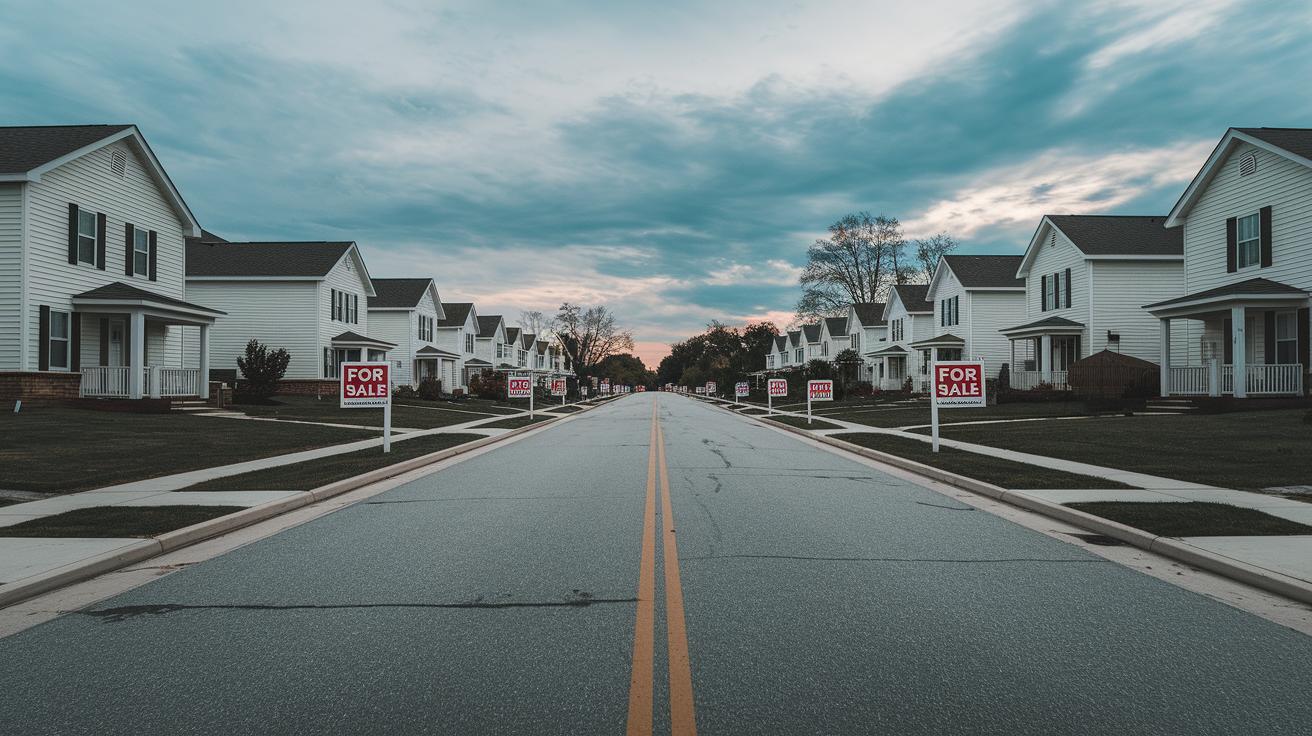
Back in 2008, the housing market took a nosedive that shook a once-strong real estate scene. Between 2007 and 2009, with the worst hitting in 2008, lenient loan rules and risky financial moves set the stage for a major economic shock. Banks handed out high-risk loans to people without checking their steady income, trusting that home values would always rise. Many homeowners grabbed deals with low starting interest rates that later spiked, leaving them scrambling to cover huge payments. Funny enough, many borrowers once thought that soaring home prices would cover any gaps in their payments, only to watch their investments crumble almost overnight. Rising adjustable rates and growing defaults quickly threw the market off balance, sparking a domino effect of financial trouble.
The fallout was harsh and far-reaching. Home values tumbled, pushing countless families into negative equity and sparking a wave of foreclosures that hit both communities and banks hard. This sharp drop in asset value sent stock markets into freefall and slowed the economy to a crawl. With financial institutions losing a lot of money on failing mortgage-backed assets, consumer trust evaporated, causing job losses and a drop in household spending. In response, leaders stepped in with new rules and reforms to stabilize the market and change how banks handle risk, a real turning point in our financial system.
Origins of Subprime Lending in the 2008 Housing Market Crash
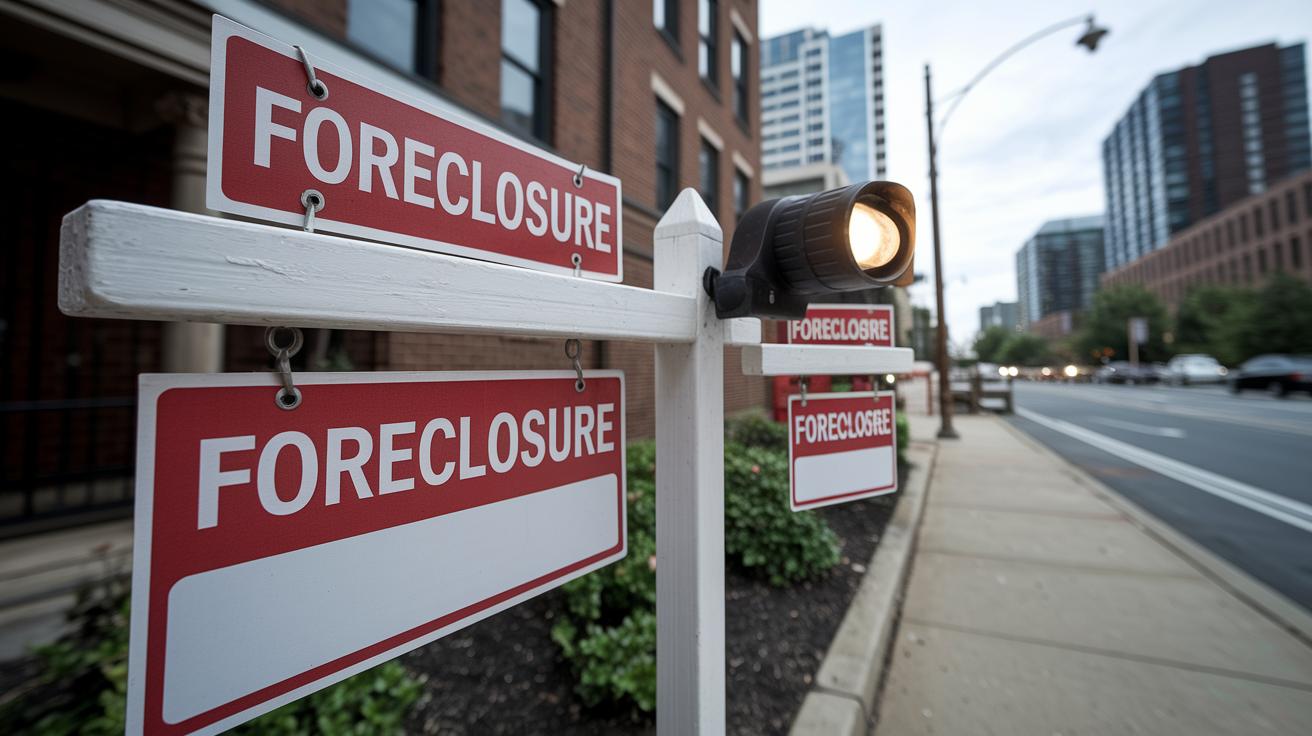
Back in the late 1990s and early 2000s, loan conditions began to shift. Banks started offering subprime loans with tempting, low starter rates and adjustable interest features that later spiked unexpectedly. They hardly checked if borrowers earned consistently, which meant that many people agreed to low rates, expecting the market to always work in their favor, only to be hit with much higher repayments later.
Often, those who took on subprime loans had weak credit or little proof of steady income. Lenders pushed these high-risk mortgages hard, especially targeting folks who’d been denied regular loans before, as denial rates dropped by half from 1997 to 2003. This shift opened the door to riskier borrowers, and suddenly, such high-risk loans became a common part of homeownership.
By 2006, subprime lending had exploded, with loan originations totaling around $625 billion. This massive expansion built up an unstable credit environment that ultimately played a big role in the 2008 housing market crash.
Timeline of the 2008 Housing Market Bubble Burst
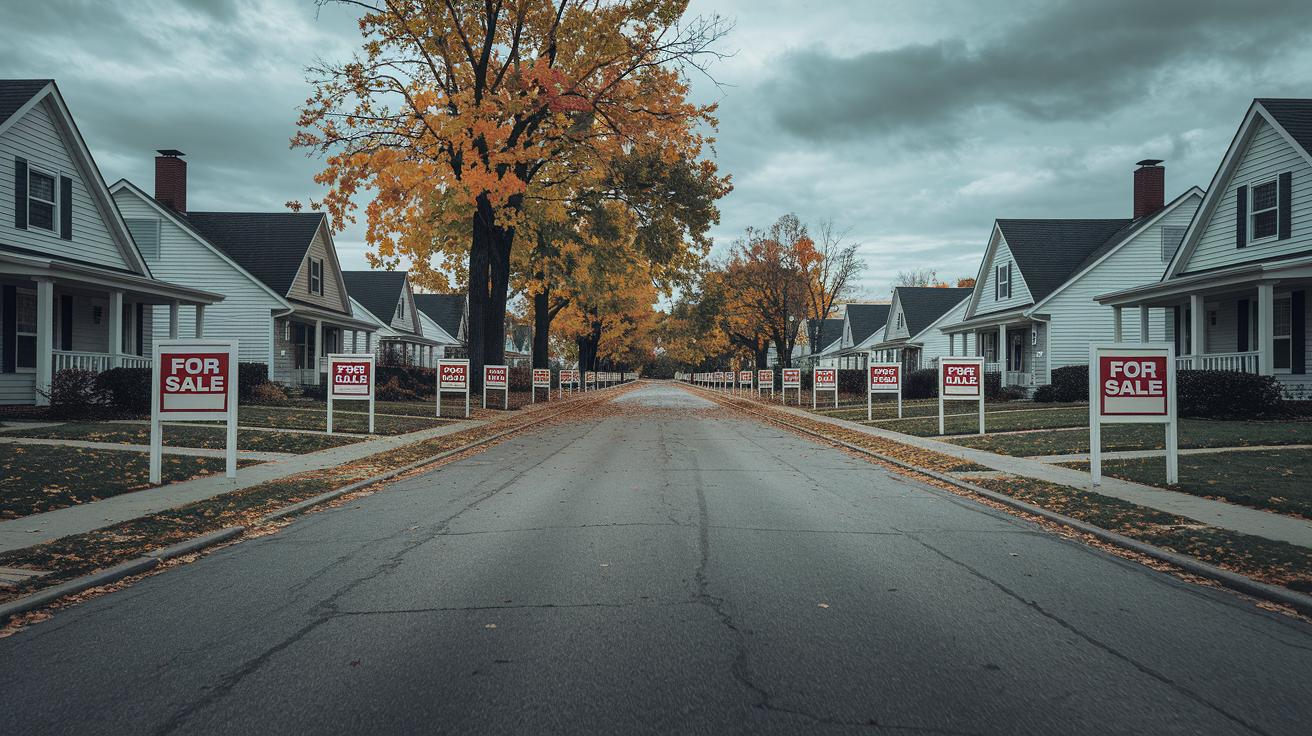
Back in Q3 2006, the housing market was booming. Home prices had hit their peak, and optimism was running high. Things started to take a turn in Q2 2007 when subprime borrowers began defaulting on their loans. This was a sign that the financial system, once believed to be rock-solid, had hidden cracks.
Then, in Q4 2007, a key fund linked to Bear Stearns fell apart. That event shook market confidence and made investors wonder if the good times were over. Fast forward to Q3 2008, the collapse of Lehman Brothers felt like a loud, jarring alarm that spread panic across global finance.
Soon after in Q4 2008, the government stepped in with the TARP program to try and stabilize things. But the downturn was so deep that by Q1 2009, the housing market hit its lowest point. This gloomy period set the stage for what would eventually be a slow recovery.
| Quarter | Event | Impact |
|---|---|---|
| Q3 2006 | Peak Home Prices | The market hit a high, pushing optimism sky-high |
| Q2 2007 | First Wave of Subprime Defaults | Early signs of underlying financial problems |
| Q4 2007 | Bear Stearns Fund Collapse | The initial shock that undermined investor trust |
| Q3 2008 | Lehman Brothers Bankruptcy | A major trigger that sent shockwaves worldwide |
| Q4 2008 | TARP Approval | Government action aimed at market stabilization |
| Q1 2009 | Housing-Market Trough | The market reached its lowest point, setting up recovery |
Financial Derivative Failures in the 2008 Housing Crash

Before the 2008 crisis hit, banks were busy bundling home loans, including many risky ones, into what they called mortgage-backed securities (MBS). They sold these packages to investors, believing that the ever-growing home values would cover any risks. By 2007, the total value of these MBS and another similar product called collateralized debt obligations (CDOs) had reached about $7 trillion. Surprisingly, many investors trusted these MBS simply because ratings agencies labeled them as safe, even though hidden dangers lay beneath the surface. This misplaced trust led to a huge buildup of complicated financial products.
Then came the CDOs, which only made things worse. CDOs took the bundles of MBS and sliced them into pieces, known as tranches, each with its own risk level. The way these tranches were set up made it really hard to understand how a wave of bad loans (subprime defaults) could hurt each slice. Both lenders and investors thought that spreading out their risk, much like not putting all your eggs in one basket, would protect them. But as more borrowers began defaulting on their loans, the hidden weaknesses in these structures quickly came to light, adding to the growing worry in the market.
Credit rating systems also played a big role in the collapse. Rating agencies gave many of these risky tranches high marks, which gave investors a false sense of security. When subprime defaults started to pile up, the value of these securities plummeted. This sudden drop, along with a rush to pull funds out of investments, sent shockwaves through the financial world, speeding up the downturn and making the economic crisis even worse.
Impact of the 2008 Housing Market Crash on Home Prices and Foreclosures
Between 2007 and 2009, home prices fell by nearly 20% across the nation. In cities such as Phoenix and Las Vegas, values dropped by as much as 50%. Many families ended up owing more on their mortgages than their homes were worth, a situation that left them facing unexpected financial challenges. It’s hard not to wonder how quickly trust in the housing market unraveled when investments shrank so fast.
Foreclosure filings skyrocketed by 200% from 2006 to 2009, with around 2.8 million actions recorded in just 2009. Lenders, scrambling to recover losses from riskier loans, struggled to keep up while entire neighborhoods felt the strain. Once-vibrant communities turned into areas marked by shuttered homes and palpable financial distress. Imagine watching your home lose value as foreclosure signs pop up at every corner.
- Arizona
- Nevada
- Florida
- California
- New Jersey
Government Response to the 2008 Housing Market Crash

In October 2008, Congress rushed to approve a $700 billion bailout called TARP. This step was meant to help banks and other financial institutions that were running out of cash. It was much like handing a lifeline to a sinking ship during a storm, keeping fear at bay even as foreclosures increased and asset values dropped.
Soon after, the Federal Reserve brought interest rates down to nearly zero. These low rates were designed to make loans cheaper and encourage businesses and banks to get moving again. You could say it was a bit like turning down the heat on an overheated engine, helping the economy slowly start to warm up.
Then, in 2009, the HAMP program stepped in to ease the pain for many homeowners facing struggles with high mortgage payments. The following year, the Dodd-Frank Act introduced tighter rules for banks and mortgage practices. This new law was set up to protect everyday people and keep a similar crisis from happening again.
Long-Term Effects of the 2008 Housing Market Crash
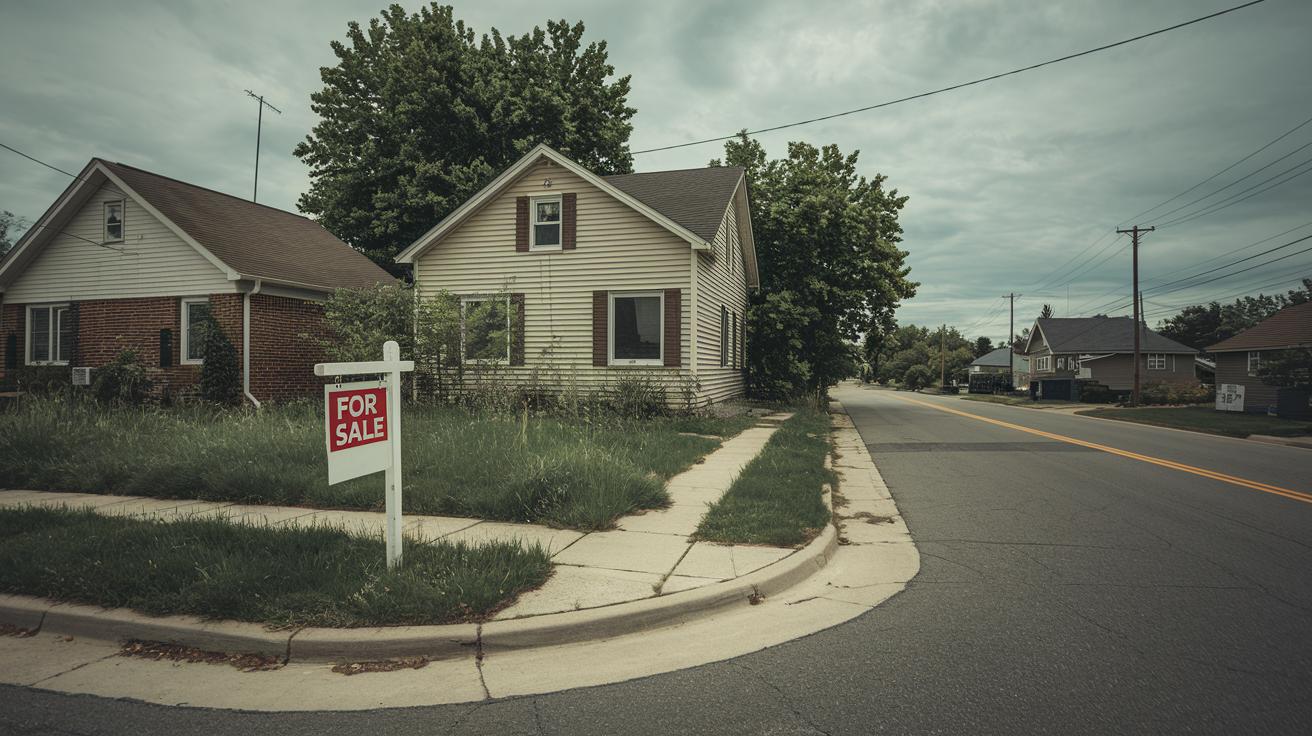
After the crash, the job market really suffered. Unemployment hit 10% in 2009, leaving many workers in a tough spot. People felt the strain as jobs vanished quickly, and families struggled to keep up with daily expenses. In some town centers, long lines at unemployment offices were a clear reminder of the human toll.
Homeownership took a hit too. It dropped from 69% in 2004 to 65% by 2010. This meant fewer families could enjoy the security of owning their own home. It was like watching a safety net slowly come apart, leaving longtime homeowners uncertain about their future.
The overall economy was hit hard. In 2009, the country’s GDP shrank by 4.3%. Home prices stayed low and didn’t bounce back until about 2016. This slow recovery shows just how deep the crash cut its mark, changing the financial scene for many years.
Recovery Dynamics and Lessons from the 2008 Housing Market Crash

When the crisis hit, banks and lenders moved fast. They tightened rules and controls to avoid repeating old mistakes. Government cash boosts and nearly zero-interest rates helped keep demand steady and the market running smoothly. Leaders soon saw that quick moves, like financial bailouts and stricter rules, could restore trust. These smart changes made banks more careful with loans. They set the stage for a slow but steady comeback that still shapes how risk is handled in housing today.
After the crash, market behavior took a big turn. Many investors switched to safer bets, which changed how money flows and made everyone more cautious. Lenders had to rethink their plans, focusing on long-term stability instead of quick gains. Looking back, these lessons spark a wider chat about assessing risk. It reminds us that smart strategies are key in keeping another big downturn at bay.
Final Words
In the action, we traced a path through the risky lending practices and financial instruments that fueled the housing market crash 2008. The article unpacked the timeline of events, government interventions, and long-term economic shifts that reshaped the market.
Each section shed light on how early missteps and later reforms sparked a major downturn and gradual recovery. There's hope in learning from these experiences as we build a more secure future.
FAQ
Q: What caused the 2008 housing and financial crisis?
A: The 2008 crisis resulted from loose lending standards, risky subprime loans, and poor handling of financial derivatives, which together led to widespread foreclosures and major economic downturn between 2007 and 2009.
Q: How does the 2008 housing market compare to the market in 2022?
A: The 2008 housing market experienced sharp declines, high foreclosures, and economic distress, while the 2022 market, though facing its own challenges, operated under stricter lending practices and different economic conditions.
Q: What is the timeline of the subprime mortgage crisis?
A: The subprime crisis began with aggressive marketing of risky loans, led to rising defaults by 2007, and quickly escalated into a broader financial collapse during the 2008 crisis.
Q: What is the mortgage crisis of 2024?
A: The mortgage crisis 2024 signals current problems where rising interest rates and tighter lending are stressing borrowers and shifting market dynamics, drawing cautious comparisons to past downturns.
Q: How much did housing prices drop in 2008?
A: In 2008, housing prices fell by nearly 20% on average nationwide, with some high-risk markets experiencing declines as steep as 50% during the financial downturn.
Q: How severe was the 2008 recession?
A: The 2008 recession was very severe, featuring a sharp drop in GDP, extensive job losses, and a significant surge in foreclosures that deeply affected communities across the country.
Q: How long did it take for the market to recover from the 2008 crash?
A: The recovery from the 2008 crash took several years, with home prices and economic stability gradually improving and only returning to previous levels around 2016.


