
Have you ever noticed how a little change at home can brighten your day? Lately, a new wave of home updates is trending. People are choosing simple fixes like updated lighting or a fresh coat of paint over large, expensive projects.
These small tweaks bring a modern feel while helping to lower energy bills. It’s not just about making rooms look nicer, it’s about making everyday life a bit easier and more enjoyable.
Imagine walking into a room bathed in gentle, new light. It feels refreshing, doesn’t it? This trend shows us that sometimes, the simplest changes can make a huge difference in how we feel.
Comprehensive Overview of Home Improvement Trends for 2024-2025
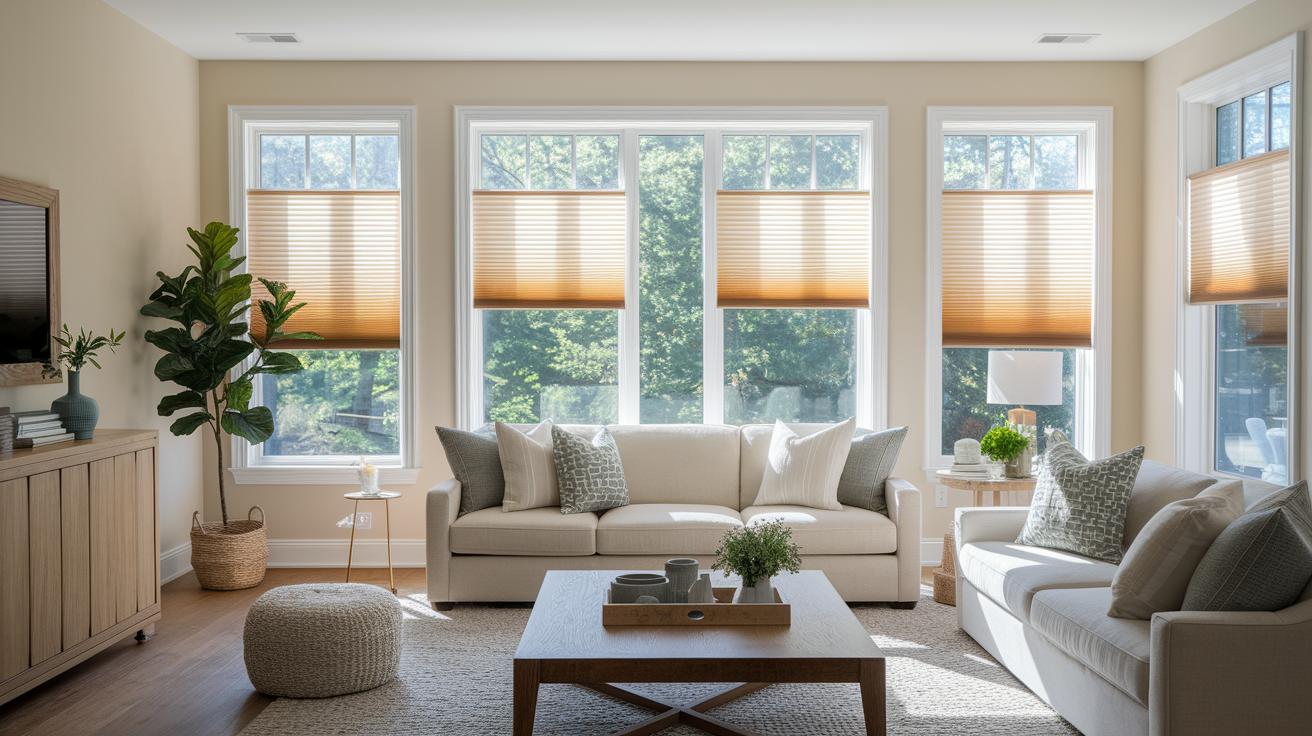
In 2023, the home improvement industry slipped by about 1.5%, which made many homeowners rethink their plans for 2024. Predictions from June 2024 show a steady pickup starting in 2025, with the market expected to hit around $642.3 billion by 2028.
These days, people are moving away from big, expensive renovations and choosing smaller updates that refresh their homes while saving energy. For example, instead of a full kitchen overhaul, some folks opt for simple fixes like swapping out cabinet handles, adding a fresh coat of paint, and installing better lighting. These little changes can really breathe new life into a space.
Smaller projects are catching on because they’re easier to manage, especially when everyone is being careful with spending. Shoppers are loving modern ideas that mix good looks with practicality. Even slight upgrades can make a home look much more appealing. Homeowners now often choose energy-saving and style-boosting tweaks over costly, large-scale renovations.
Overall, this trend is reshaping how Americans think about home improvements, it's about smart, manageable changes that keep your space current and efficient without breaking the bank.
Economic Trends Shaping Home Improvement Decisions

Rising inflation and expensive raw materials are pushing up the cost of home remodeling. Homeowners feel the pinch as their salaries don’t grow while interest rates keep climbing, leaving them with less money to spare. One cautious homeowner recently said, “I once planned a kitchen redo, but now every upgrade feels like a luxury purchase.” This feeling is common across the board.
Almost one in four homeowners with low mortgage rates under 3% are not ready to move unless those rates drop to around 4%. They worry that moving now could lead to even higher refinancing costs, which affects how they plan their remodels.
Nearly two out of three homeowners think projects costing over $5,000 aren’t the right move right now because of the uncertain economy. Instead, many are choosing upgrades that are easier on the wallet and can save money over time. They’re focusing on smaller fixes and quick tweaks, which help control costs without the heavy commitment of larger projects.
DIY Versus Professional Services in Home Improvement Trends
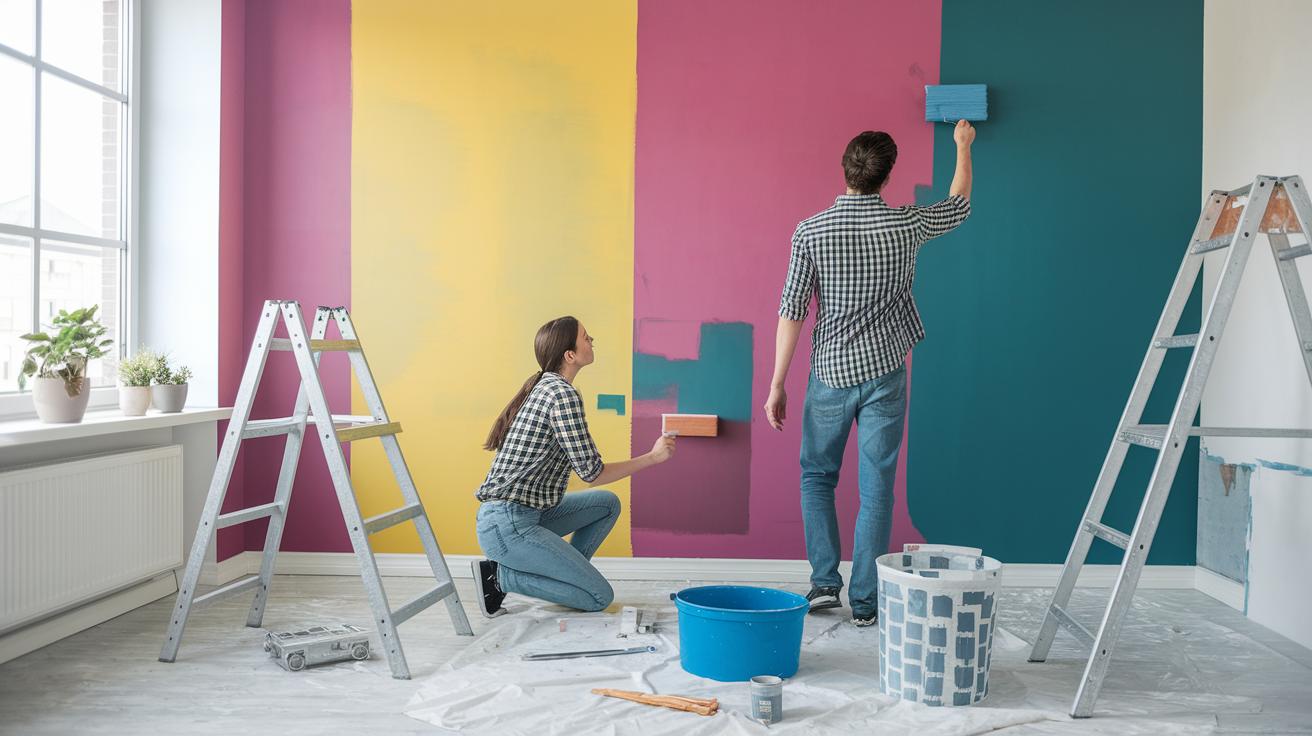
In the last quarter of 2024, homeowners spent about 37 hours on DIY projects, shelling out roughly $4,700 on average. More than half tackled projects entirely on their own, and around 20% mixed DIY efforts with professional help. This trend shows that many prefer taking matters into their own hands to save money and keep control of their projects.
Most homeowners, 73%, cited cost savings as the main reason for choosing DIY. And it’s not just about saving money; many enjoy the personal touch that comes with completing a project themselves. DIY enthusiasts often stick to trusted brands and familiar methods, which makes each project feel both reliable and rewarding.
It’s clear that while many enjoy getting hands-on with simpler tasks, they still appreciate professional help for more complex jobs. In fact, the use of professional services edged up slightly, from 37.2% to 38.6%. This suggests that even if homeowners are willing to roll up their sleeves for everyday improvements, they call in experts when jobs need specialized skills or when time is tight.
Reasons to choose DIY over hiring a contractor include:
- Direct cost savings
- Flexible scheduling
- Personal satisfaction and creative control
- Avoiding contractor delays or labor shortages
- Hands-on material selection
Home improvement trends continue to show a split: while style-driven, small-scale projects are mostly handled by DIYers, more complicated tasks often see a blend of self-initiative and professional expertise.
Consumer Research and Decision-Making Patterns in Home Improvement Trends

Many Millennial and Gen X homeowners spend countless hours online before making a home improvement purchase. About 62% of Millennials and 56% of Gen Xers dig into research, comparing prices (70%), checking if items are in stock (57%), and reading reviews (55%), before they decide on a remodel. And Gen Z DIYers aren’t left behind either; around 80% of them turn to YouTube tutorials to pick up new skills. One homeowner shared, "I always watch several videos before buying materials. It saves me a lot of trial and error."
Digital tools are completely changing the way folks plan their projects. Now, you can use virtual remodel planning and digital design consultations to see changes in 3D. Remote project management lets you track progress from anywhere. Most buyers, roughly 75%, use big-box retailers, while about 20% prefer local hardware stores, showing a mix of convenience and support for the community.
For serious DIYers, phone support (55%) and specialized apps (33%) are key when they need quick help. Video tutorials and digital consultations are boosting confidence and keeping homeowners optimistic about tackling improvements in our fast-moving digital world.
Sustainability and Eco-Friendly Home Improvement Trends

Homeowners today are trying to balance green upgrades with the high costs that often come with them. Once, solar panels, green roofs, and recycled materials were the talk of the town; now, around 40% of consumers say the price tag and a sense of lower urgency make them think twice. This trend is seen in both DIY projects and professional remodeling. Many folks are now favoring home improvements that mix energy savings with cost savings, even if it means delaying or dialing back on some eco-friendly ideas.
Interestingly, the numbers tell a story. Among DIY enthusiasts, 25% of Gen Z and 17% of heavy DIYers list eco-friendly upgrades as a top priority, compared to only 11% of medium DIYers and 7% of those who do it lightly. This shows that younger homeowners and those who frequently take on projects are more plugged into green building practices and the sourcing of sustainable materials. At the same time, recycling materials during remodeling remains a practical choice, striking a balance between taking care of our planet and keeping an eye on the budget. As debates continue over long-term savings versus upfront costs, homeowners are weighing each eco-friendly step carefully to meet both their green goals and financial limits.
Smart Home Technology and Digital Shopping Impact on Home Improvement Trends

Home upgrades are getting a tech boost these days. Smart devices let homeowners control lights, adjust thermostats, and even chat with AI assistants – all at the touch of a button. It’s like having a personal helper that keeps your home comfy and energy efficient. Modern renovations now often come with built-in systems that change your settings automatically, saving you time and effort.
Digital shopping is shaking up the remodeling scene too. While online DIY sales have dipped slightly, many folks are heading back to brick-and-mortar stores for a more hands-on experience and quick help via phone or app. This trend pairs perfectly with smart appliances that make upgrades simple and budget-friendly. Some homeowners even turn to AI for design ideas, letting them see changes before they happen and ensuring every update really boosts their home’s efficiency.
Regional Patterns and Forecasts for Home Improvement Trends

In early 2024, spending on home improvements jumped nearly 20%. More households started projects, growing from 17% in the first quarter to 23% in the second. This suggests homeowners feel a new boost of confidence, and local markets are rolling up their sleeves for more upgrades. Experts even predict that this upbeat trend could push the renovation market close to $642.3 billion by 2028.
Looking closer at the data, regional differences become clear. In Italy, a strong 32% of homeowners plan to make upgrades. Poland isn’t far behind at 31%, signaling similar optimism. But in Sweden and Germany, the figures drop to 18% and 17%, showing a bit more caution. These numbers remind us that local economic conditions and available household income really shape the plans for home projects.
| Region | Percentage of Homeowners Planning Upgrades |
|---|---|
| Italy | 32% |
| Poland | 31% |
| Sweden | 18% |
| Germany | 17% |
In short, these trends and regional insights shine a light on what we can expect for future renovations, showing how seasonal patterns and local differences can steer the market.
Final Words
in the action, the article broke down key factors shaping home improvement trends. It explored price projections, DIY versus professional approaches, consumer research tactics, eco-friendly updates, smart technology advances, and regional forecasts. The discussion highlighted how homeowners adjust their project scope and budgets in today’s market. Here are the top DIY motivations:
- Direct cost savings
- Flexible scheduling
- Personal satisfaction and creative control
- Avoiding contractor delays or labor shortages
- Hands-on material selection
This outlook leaves us ready to embrace the evolving landscape with optimism and practical insight.
FAQ
What are the home improvement trends in 2022, 2024, and 2025?
The trends for 2022 focused on cautious project planning, while 2024 sees a shift to smaller, energy-efficient upgrades, and 2025 is expected to lean towards style refresh projects over complete makeovers.
What is the most in demand home improvement?
The most in demand improvements are budget-friendly upgrades that boost energy efficiency and style, meeting homeowners’ needs in today’s cost- and energy-sensitive environment.
What is the 30% rule for renovations?
The 30% rule for renovations advises homeowners to spend no more than 30% of their budget on a single project to keep overall costs balanced and improve long-term value.
What is the trend in home improvement spending?
The home improvement spending trend shows steady growth, with homeowners choosing smaller, cost-effective projects that focus on energy efficiency amid economic pressures.
How does Home Depot influence current home improvement projects?
Home Depot plays a key role by providing essential supplies and reliable services for DIY enthusiasts and professionals, aligning with current trends in efficient and cost-conscious renovations.
What is expected from the Home Improvement TV show 2024?
The Home Improvement TV show in 2024 is expected to highlight creative, budget-friendly projects that mirror today’s focus on manageable upgrades and energy-efficient designs.


