
Have you ever wondered if one number could really show a country's strength? The global power index cuts through the chatter by mixing factors like economic strength, military influence, and diplomatic reach into one score. It collects over 60 different data points, think troop counts and trade figures, to give clear, straightforward rankings that make you pause and rethink what you know. This tool invites us to look at power in a fresh way and question which nations truly lead the world.
Global Power Index: Comprehensive Nation Rankings
The Global Power Index shows you how nations stack up in terms of economic strength, military might, and diplomatic influence. It pulls together more than 60 different data points, from troop numbers to trade volume, to give a clear picture of each country’s overall power. It’s pretty fascinating when you think about it; all that data fits into one simple score.
This index looks at key factors like defense assets, logistical capacity, and GDP size. Essentially, a lower score means a nation is stronger. Every element, whether it’s defense spending, air and naval power, or nuclear capabilities, plays its part. This mix of hard power (like military might) and soft power (such as diplomatic influence) lets us compare countries in a straightforward and honest way.
For 2025, the leading three nations are the United States, China, and Russia. Remember, a lower score means greater overall power, so these rankings give us a clear picture of which countries are at the top of the global stage.
Methodology of the Global Power Index

The Global Power Index is a tool we use to measure a country's overall strength by looking at four big parts: economic strength, defense capability, diplomatic clout, and soft power. Each part has a special weight that shows a different side of power. For example, economic strength looks at a nation's GDP and trade volumes. In 2023, the U.S. GDP was about $21.43 trillion and China’s was around $14.72 trillion. If you're curious about trade numbers, you can check out the global trade economic outlook.
Defense capability is measured by looking at over 60 different factors (like troop numbers and how good the equipment is). Diplomatic clout counts things like the number of embassies a country has and how often it votes with the United Nations. Soft power, on the other hand, considers surveys, cultural exports, and online engagement to see how well a country can shape what people think.
Each area has its own role in the overall score. Here’s how they break down:
- Economic Strength: 40%
- Defense Capability: 35%
- Diplomatic Clout: 15%
- Soft Power Metrics: 10%
This balanced approach shows us a clear picture of a nation’s power by looking at both hard numbers and the more subtle ways a country can influence the world.
| Category | Weight |
|---|---|
| Economic Strength | 40% |
| Defense Capability | 35% |
| Diplomatic Clout | 15% |
| Soft Power Metrics | 10% |
Economic Strength Indicator in the Global Power Index
The economic side of our global power index zeroes in on a nation’s money matters. We check out key figures like total GDP (the overall value of all goods and services a country produces), GDP per capita (a glimpse at personal wealth), and the trade-to-GDP ratio (which tells us how much a country trades with the world). For example, in 2023, the US reported a GDP of $21.43 trillion, China reached $14.72 trillion, and Japan came in at $5.39 trillion. And when you see numbers like the EU’s trade-to-GDP ratio of 85%, it paints a clear picture of how engaged they are in global trade.
Put these numbers together, and you get a clear snapshot of economic strength. Each metric builds on the others to highlight a nation’s fiscal performance. A robust economy not only brings stability at home but also boosts a country’s standing on the world stage, showing both resilience and financial clout.
Military Capability Score and Global Firepower Insights
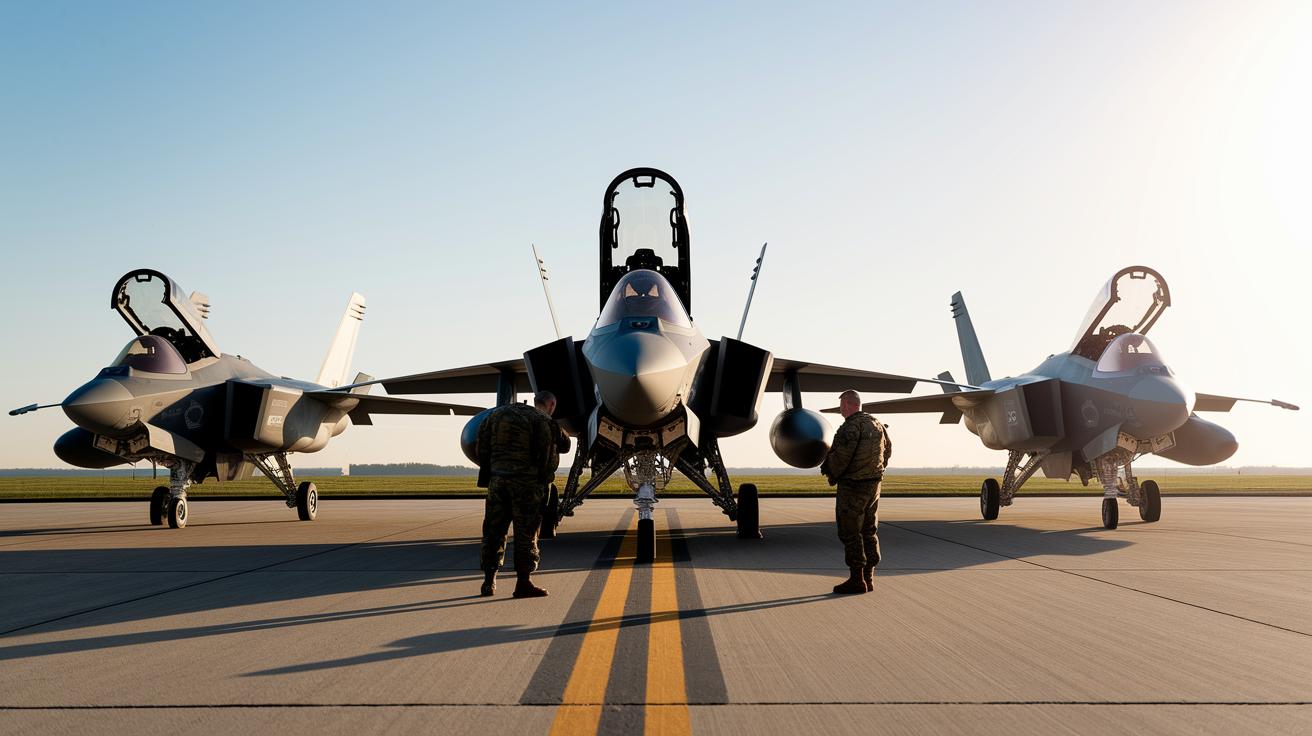
Military power is key for a country because it not only guards borders but also helps ward off threats. The Global Firepower Index looks at over 60 details, like troop numbers, defense budgets, air strength, navy assets, and nuclear weapons (extremely powerful arms), to check a nation’s military strength. For example, the United States spends over $778 billion on defense with about 1.3 million active troops, while China has around 2 million troops and a defense budget of about $252 billion in 2023. Experts also review fighter jets, ships, and nuclear weapons to create a comprehensive defense score. In short, a lower Global Firepower (GFP) score means a stronger military, so these numbers really help us understand global military power.
| Rank | Country | GFP Score |
|---|---|---|
| 1 | United States | 0.0713 |
| 2 | Russia | 0.0854 |
| 3 | China | 0.0698 |
This military data from the Global Firepower Index gives us a clear look at how ready a nation is when it comes to defense. When you mix these hard facts with a country's economic and diplomatic strength, you get a full picture of global power. Essentially, a strong military boosts a country’s overall ranking and influence around the world.
Soft Diplomacy Framework in the Global Power Index
The Global Soft Power Index 2025 comes from extensive surveys where over 60,000 everyday people shared their thoughts on culture and national image. Their opinions have been turned into measurable data, like digital engagement (how active people are online) and international education enrollment figures. One survey even showed that a strong cultural outreach can boost a nation’s appeal, proving that public perception really shapes global stories.
Cultural contributions play a big role too. The film, music, and arts sector is valued at an estimated $250 billion, a clear sign of how creative industries can lift a nation’s standing. Digital engagement is tracked using interactive dashboards that show how trends move both online and in traditional cultural exports. Konrad Jagodzinski, Place Branding Director, points out that these details are key to understanding how a country spreads its soft influence on the world.
Soft diplomacy adds a human touch to traditional measures like economic and military data. While those hard numbers are important, they don’t capture the subtle art of cultural expression or the strength of public sentiment. By mixing these soft factors with more conventional data, we get a richer picture of how a nation builds its global position.
Historical Trends in Global Power Rankings
In the 1800s, the idea of strong nations was all about building empires. The British Empire hit its peak in the 1890s by using its huge collection of colonies to show off its influence. Back then, nations found that having a powerful military and control over important trade routes was key to making a mark on the world.
The 20th century brought big changes. After World War II, the United States rose to the top with a booming economy and smart military moves. Around the same time, China began its steady climb starting in 2000, and by 2010 the European Union had found its own kind of balance. Each of these moments shifted power in ways that still matter today.
- 1945: The UN was set up, paving the way for a new global order
- 1978: China kicked off economic reforms
- 2008: A major financial crisis shook established economies
- 1890s: The British Empire reached the peak of its power
These key events remind us that history is always at work, shaping the power trends we see around the world today.
Comparative Regional Power Dynamics in the Global Power Index
When countries in a region join forces, they often pack more punch than when they stand alone. Take Europe, for example, whose collective economy is valued at around €15 trillion. Working together through shared defense pacts and common policies, these nations boost not only their own strength but also their ranking in the Global Power Index. It’s fascinating how this teamwork provides more stability and a louder voice on the global stage.
| Region | Leading Nation | Global Power Index Rank |
|---|---|---|
| Europe | Germany | 4 |
| Asia | Japan | 3 |
| Latin America | Brazil | 9 |
| Middle East | Saudi Arabia | 12 |
Regional unity goes beyond internal benefits, it also casts a stronger, united allure internationally. When these groups pool their resources and set shared goals, they can coordinate economic strategies and military technologies more effectively. In the end, this level of cooperation not only elevates their Global Power Index standing but also helps build communities that are both secure and thriving.
Future Outlook of the Global Power Index by 2030

We’re looking at a big change in global power, driven by both tech and the environment. For example, new ways of using AI in government are coming up that can really modernize public services. Imagine leadership that’s more innovative and responsive, using digital tools and data-driven policies. These changes could shift how countries show their influence and handle crises better.
At the same time, growing climate worries mean that how well a country adapts to environmental changes will become a key measure of strength. With climate change pushing nations to invest in greener technologies and improved infrastructure, economies could become more stable and secure. Plus, with the economic center moving toward the Asia-Pacific region – expected to make up more than half of the world’s GDP by 2030 – adapting to these environmental challenges is more important than ever.
- AI governance impact
- Climate resilience factor
- Demographic transitions
Final Words
In the action, we examined how the global power index compares nations by blending economic strength, military might, and soft diplomacy. We looked at the detailed methodology, historical trends, and regional power dynamics that shape rankings.
Each section unraveled key factors that inform current scores and hinted at future shifts. The blog brings a clear view of global rankings and optimism for emerging trends in power balance. The outlook inspires us to keep watching as the world continues to change.
FAQ
What is the global power index?
The global power index is a tool that combines economic strength, military capability, and diplomatic influence into one ranking to show a country’s overall power using more than 60 data points.
What is the GP power index?
The GP power index is another term for the global power index, which evaluates nations using economic, military, and diplomatic metrics to produce a score where a lower number indicates greater power.
Who has the strongest military in the world 2025?
The strongest military in 2025 is identified by assessing numerous criteria such as defense spending, troop numbers, and technical assets, with the United States ranking at the top based on these comparisons.
Where does the US rank in world power?
The United States ranks at the top of world power listings due to its large economy, advanced military capabilities, and strong diplomatic influence, making it one of the most influential nations globally.
How are global power index rankings by country determined?
The rankings are determined by merging economic indicators, military statistics, and diplomatic measures—such as GDP size, defense budgets, and trade volumes—to provide a comprehensive picture of each nation’s strength.
What is Global Firepower and how does it relate to historical military rankings like 1970?
Global Firepower is a ranking system that measures military strength using more than 60 criteria; historical rankings like those from 1970 help track how a nation’s military power has changed over time.


