World leaders are making big moves today, and it’s hard not to wonder if they’re leading us to safety or chaos. Israel took a strong stand by cracking down on Iran’s bank, while Taiwan ran huge military drills. Meanwhile, protests are on the rise in Kenya and new risks are showing up along busy shipping routes.
Every one of these updates makes us question what true stability looks like in international affairs. Stick with us as we break down these twists and see how they might affect alliances and global trade. Isn’t it wild how quickly the world can change?
Global Political News Roundup: Today’s Headlines & Analysis
Today brought several big changes on the world stage. Israel recently named Iran’s Central Bank a terrorist organization, which puts extra economic strain on Tehran. Meanwhile, safety worries have grown after recent events in key shipping routes.
Over in Asia, Taiwan held its largest military drills ever, showing its dedication to boosting its defense amid regional doubts. In Kenya, large protests have been sparking as citizens express their growing frustrations. The debate over the US–Vietnam trade deal also continues, hinting at new shifts in Asia’s economic map.
- Israel’s move increases pressure on Iran by labeling its bank as linked to terrorism.
- Two cargo ships were lost in the Red Sea, adding to global shipping worries.
- Taiwan’s biggest military exercises underline its focus on defense.
- Protests in Kenya highlight mounting political unrest.
- The US–Vietnam trade deal remains unsettled, pointing to shifts in trade strategy.
Overall, these events show just how dynamic global politics can be. As countries enforce new economic rules, build up defense, and face domestic challenges, every move matters. It’s a time of rapid change and shifting alliances, and we’ll keep a close eye on these stories as they develop.
Regional Perspectives in Global Political News
Local events play a big part in shaping our ever-changing world politics. Small shifts in one country can set off reactions that stretch across borders, changing alliances and prompting quick moves between nations.
Asia & the Pacific
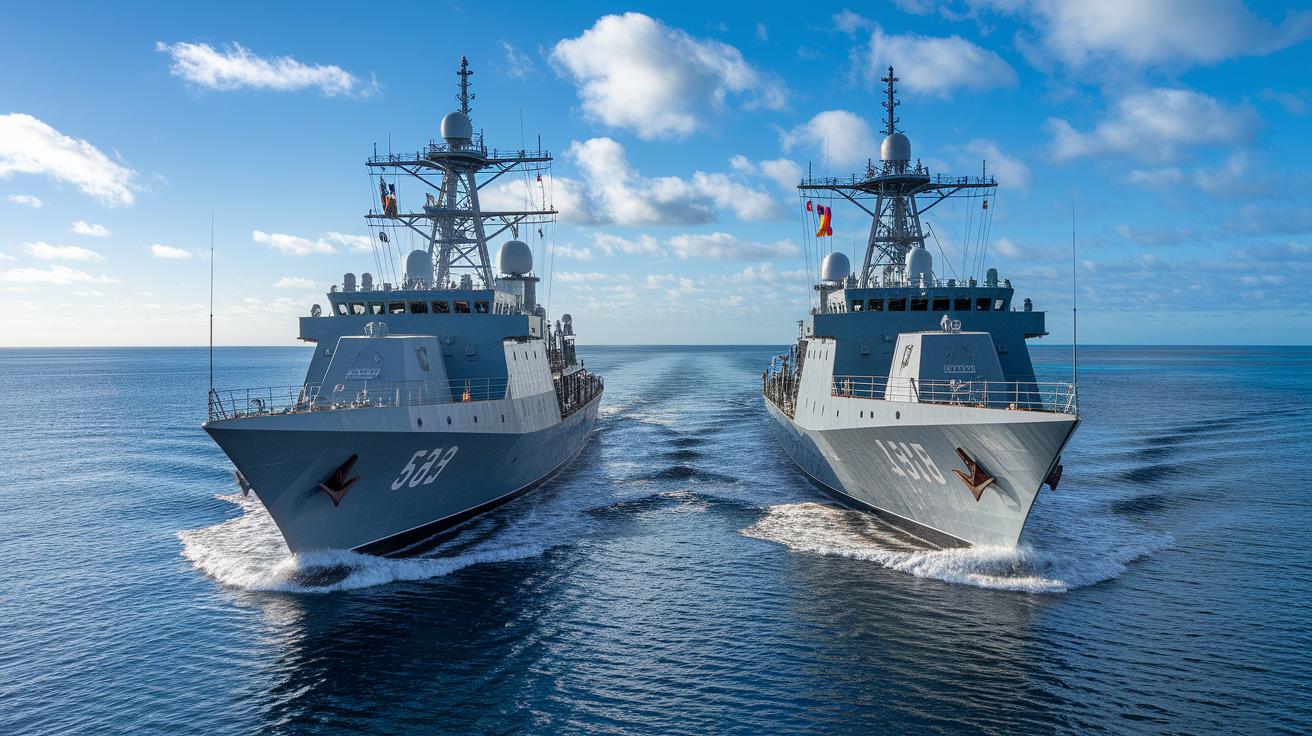
Taiwan’s large-scale military exercises have grabbed many eyes as the region shows it stands ready to defend itself. Leaders from the Indo-Pacific Four even skipped a NATO summit in The Hague, choosing instead to focus on issues closer to home. And with the Philippines and Japan teaming up over Abukama-class destroyers, there’s a clear push to keep seas safe. It’s a bit like watching a chess game where one move can change the whole board.
Middle East & Africa
In the Middle East and Africa, tensions are simmering in unexpected ways. Iran’s central bank has been labeled a terrorist entity, turning financial stability into a new battleground. Humanitarian aid also faces hurdles, as recurring naval blockades on Gaza-bound vessels add to the region’s challenges. Plus, clashes along the Thailand–Cambodia border remind us that local disputes can quickly escalate into larger geopolitical issues, deeply affecting both home policies and international ties.
Europe
Europe is feeling the pressure to shift its strategies. There are growing calls for Romania to rethink its Black Sea plans as the U.S. changes focus, while Russia’s tactic of using irregular migration continues to shake up old defense ideas. Debates about NATO’s eastward expansion bring to light long-standing disagreements, urging European countries to balance history with new challenges on the horizon.
Americas
In the Americas, a new US–Vietnam trade pact is changing the game. This deal puts Hanoi in a key spot in a larger global contest, shaking up regional trade and broadening the reach of American economic interests in Asia.
All these events together show us a colorful mosaic of political moves around the world. It’s a reminder to keep a close eye on local decisions, as they often send shockwaves far beyond their origins.
Diplomatic Affairs Update in Global Political News
Diplomatic ties are shifting fast as countries change their alliances and power games. Global leaders feel the heat from new, offbeat tactics that break the old rules of working together.
Canada and the EU have joined forces in a Security and Defence Partnership that boosts Canada's strength while keeping its overall loyalties intact. Meanwhile, Russia’s choice to recognize the Taliban sparks concerns about ripple effects in Central Asia, making many wonder if traditional rules will soon be redrawn.
New methods are emerging from unexpected quarters. Russia and Belarus are even turning migration into a tool to pressure neighbors, a mix of political play and people movements that some call hybrid warfare. And just recently, leaders of the Indo-Pacific Four skipped a NATO summit in The Hague to focus on local disputes instead, showing a clear pull away from age-old collective forums.
These bold plays and fresh tactics hint at a new chapter in global diplomacy, one that could reshape familiar alliances and challenge old ideas about international cooperation.
Multilateral Discussions & Policy Shifts in Global Political News
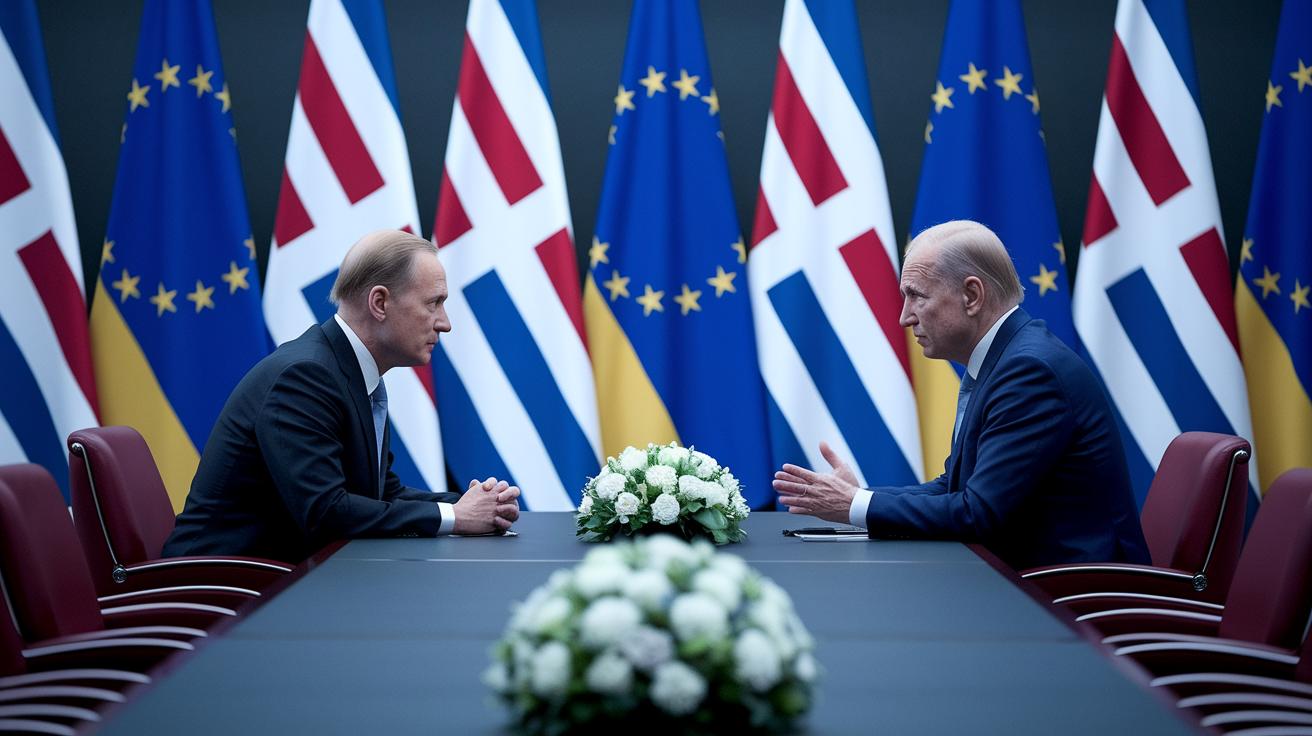
In 2025, the BRICS Rio Summit ran into some real troubles. Leaders faced internal disagreements and technical glitches that made it hard to push back against US trade moves. They struggled with working together as a team, raising doubts about the bloc’s ability to stand united. At the same time, UN negotiators started talks on climate and drought protocols after a report warned that global droughts could worsen. This clearly shows the urgent need for countries to work together on environmental protection.
The EU and its allies are also ramping up their efforts in new ways. They’re now dealing with a kind of warfare that mixes unusual tactics with political maneuvering. By joining forces to counter this “hybrid” threat, they’re moving quickly to handle problems like supply chain disruptions and missing regulations. Their coordinated actions are aimed at strengthening defenses against sanctions and economic uncertainties, proving they’re ready to tackle modern security challenges head-on.
New global meetings are shifting how leadership is shared on the world stage. More nations are using these gatherings to set the stage for policy changes that cross borders, from fixing gaps in digital trade to addressing shortcomings in governance. This move shows that world leaders are committed to fast, cooperative discussions, all in an effort to better navigate our complex and interdependent world.
Policy Trends Analysis Abroad in Global Political News
Across the world, nations are retooling their policies to meet new economic and security challenges. Türkiye, for instance, has been in the spotlight with efforts to boost exports and grow its manufacturing sector, moves aimed at creating a more self-reliant economy. These steps help keep rising costs in check and stabilize the currency in an ever-changing market.
Local stories in Türkiye bring these shifts to life. Imagine a factory ramping up production to fill gaps left by stopped imports. It’s a clear sign of how the country is dealing with supply chain hiccups and retooling its industries for fresh challenges.
Over in Europe, the conversation turns to defense adjustments. Some experts say recent moves feel like a chess game, where even ideas, like urging Romania to revisit its Black Sea strategy, can tip regional scales. This adds to earlier observations about NATO’s eastward expansion, which many say even had a bit of silent Russian support.
Looking ahead, it seems countries will continue reforming their economic and defense plans as they adapt to a shifting global stage.
Security & Defense News in Global Political News

Recent updates bring fresh twists to some well-known defense topics. Taiwan is mixing cyber defense tests with its usual live drills. In fact, Taiwan is simulating cyber attacks during exercises to see how quickly it can respond online.
Israel, on the other hand, is tightening its financial safeguards. It now uses digital tools to track money flows tied to Iran. These new measures help block hidden funding channels by monitoring online transactions.
Maritime security rules have also been sharpened after several blockade incidents. Authorities are now coordinating rescue signals more quickly to ensure aid shipments stay safe.
In the South China Sea, the Philippines and Japan are deepening their naval partnership. Their joint drills now include real-time data sharing, which helps them make faster, smarter decisions on critical routes.
Crisis Reporting Worldwide in Global Political News
Crisis situations help world leaders adjust both long-term plans and quick aid responses. Recent events have us looking deeper into issues that go far beyond simple conflicts.
Problems at sea and on borders reveal weak spots in local security and trade. For instance, a cargo ship accident paired with cross-border clashes has thrown economic routes into disarray.
Local political unrest, like violent protests shaking up communities, is now affecting global diplomatic views. It makes everyone rethink old positions.
Mixed tactics that involve shifting migration flows also test border controls. When people suddenly move in large numbers, even trusted diplomatic measures can stumble.
Climate change adds another layer of trouble. A recent UN report highlights rising drought risks that threaten food supplies and put pressure on aid systems.
All of these overlapping crises mean that global diplomacy faces big, long-term challenges. Each incident forces crisis teams to adjust their strategies for stronger aid efforts and more effective international cooperation.
Expert Commentary & Forecasts in Global Political News
Experts give us a window into where global politics is headed by breaking down big topics into simple ideas. They take complex trade rules and changing alliances and explain them in bite-sized pieces. For example, since January, experts have been watching US trade policies and tariff impacts closely. This work creates a clear roadmap that makes even big policy changes easier to understand.
Right now, the main buzz is all about trade, diplomacy, and economic fallout. Analysts point out that way back when, negotiations were more polite, but today’s talks can get pretty tough. They also note that a weakening dollar and ongoing trade wars are shaking up markets. Special reports even dig into emerging nuclear security matters and heated debates over migration deals.
Looking ahead, experts think we’re in for more big changes in international relations. They believe these shifts might lead to new ways to deal with conflicts and ease trade tensions. With a mix of old wisdom and fresh facts, these predictions help us make sense of global power shifts and set the stage for a more peaceful future.
Final Words
In the action, today's global political news reveals a complex mix of international headlines and shifting alliances. We've seen key moves like Iran’s central bank designation and the historic Taiwan military drills. Major events, from economic pressures in the Middle East to dramatic protests in Kenya, underline the depth and reach of these stories. The diverse updates remind us that global political news shapes our shared future. Optimism remains as we look forward to even more insightful analysis and discussion.
FAQ
What are current world political issues and global events?
Global political events include shifting alliances, economic pressures, and security challenges that nations face daily. This news gives readers a concise overview of international dynamics and emerging issues.
How does today’s political news in English reflect the changing landscape?
Today’s headlines in English capture both domestic and international political shifts. They offer a clear snapshot of policies, debates, and key events, helping readers stay up-to-date with fast-moving developments.
What are the latest developments in US politics news?
US political news spotlights policy changes, legislative outcomes, and high-profile political decisions. This coverage keeps citizens informed about the actions and debates that shape national governance.
What current political events are unfolding this week?
Weekly updates report on a variety of events—from local political shifts to major international talks. These updates provide insight into developing stories and offer a quick look at the week’s key political movements.
What does World Politics News BBC offer readers?
World Politics News BBC delivers detailed analysis and expert insights on major global events. It combines real-time updates with in-depth reporting, ensuring readers grasp the complexities of international political affairs.


