
Ever wonder how close we are to cracking the hidden crisis of hunger? The Global Hunger Index shows where food shortages strike hardest and paints a clear picture of how undernutrition trends are affecting millions worldwide. This report, built on data gathered since 2006, shines a light on the areas stuck in slow progress and urgently in need of change. In this post, we'll break down what the 2024 findings mean for food security and chat about how these insights can inspire smarter choices to help communities in need.
Global Hunger Index: 2024 Overview and Key Findings
The Global Hunger Index paints a clear picture of hunger around the world. It measures food scarcity and undernutrition, giving us the kind of data that sparks both awareness and action. Since 2006, researchers and policymakers have leaned on this tool to keep a close watch on food security.
Concern Worldwide and Welthungerhilfe join forces to release the index. They pull together a mix of data to craft an international report that shows both the strengths and the weak spots of today’s food systems. For instance, tracking trends over time reveals that some regions initially improved steadily, but later, a series of crises reversed those gains.
Since 2015, progress against hunger has essentially stalled. The 2023 nutrition score showed that 43 countries still face serious or alarming hunger conditions. If things continue on this path, 58 countries might fall short of even the modest hunger targets by 2030. Decades of improvements have been rolled back by challenges like climate change, economic shocks, and conflict. This isn’t just about numbers; it’s about real people who are struggling every day.
The latest GHI 2024 report, released on 22 October 2024, reveals that India ranks 105th out of 127 countries with a score of 27.3. With 13.7% of children undernourished, these figures highlight urgent issues that fuel debates on how to best pass resources and make effective interventions.
Global Hunger Index Methodology and Severity Indicators

The Global Hunger Index (GHI) relies on four core measures that clearly show food insecurity around the world. Trusted UN agencies and other reliable sources provide the data, and experts review everything each year to keep it accurate and transparent.
First up is undernourishment. This measure estimates the share of people who don’t get enough calories (energy from food) for a healthy life, using data from international food supplies.
Next, there’s child wasting in kids under five. This indicator looks at the number of children who weigh too little for their height, a sign of sudden undernutrition based on survey findings.
Then we consider child stunting in children under five. It tracks how many kids aren’t growing as expected because of long-term nutritional problems, using health survey data.
Lastly, the child mortality rate records the risk of a child dying before the age of five. This points to deep-rooted health and nutrition issues, compiled from global health statistics.
All four indicators count equally when they form the overall GHI score. This balanced mix helps even out any data differences, placing countries into clear categories, from low hunger to alarmingly high levels. These categories guide policymakers, health professionals, and global monitoring efforts to target help exactly where it’s needed.
Regional Trends in the Global Hunger Index Metrics
Since 2015, hunger around the world hasn't really improved. Even when some areas show small gains, many regions still suffer and need urgent help.
Sub-Saharan Africa has been hit hardest. Issues like climate changes, ongoing conflicts, and the pandemic’s lingering effects have damaged food systems. In many communities south of the Sahara, families face rising hunger due to unpredictable crop yields and broken supply chains. The loss of available food and lower quality nutrition paints a stark picture of struggle for those already at risk.
South Asia is also having a tough time with food security. Economic hardships, extreme weather, and local conflicts have slowed down progress. In rural areas, food remains scarce and distribution problems are on the rise. Local reports consistently show that deep-rooted inequalities leave millions vulnerable every day.
These patterns across regions highlight the need for quick and focused action. We must tailor solutions to local problems to make sure everyone can access reliable food sources. Have you ever wondered how a small change in one area might set off improvements everywhere?
Country Rankings on the Global Hunger Index: Focus on India

The Global Hunger Index shows us a clear picture of which countries are struggling with food insecurity. It sorts nations into groups from low hunger to serious hunger, helping to spotlight where food scarcity is most severe.
In 2024, India landed at 105th out of 127 countries with a score of 27.3, a sign of serious hunger issues. This score means that roughly 13.7% of children suffer from undernutrition. Even though the National Food Security Act covers 67% of the population, over 90 million people who should be helped are missing out on the Public Distribution System (the government program that supplies food). This gap tells us there are serious issues with how resources are shared and raises big concerns about our present policies.
Adding to the mix, different data sources give conflicting numbers. For instance, the Ministry points out that the Poshan Tracker (a tool for monitoring child nutrition) reports a 7.2% child wasting rate, which doesn’t quite match up with the Global Hunger Index findings. This makes us think that the methods behind the GHI might not catch every detail of food insecurity. Balancing these various sources is key to making sure the rankings really reflect the challenges each nation faces.
Drivers Behind Hunger in the Global Hunger Index Findings
The Global Hunger Index shows many factors at work that shape food security struggles across the world. Big issues like shifting weather, ongoing conflicts, and economic troubles mix together to throw off established food systems.
- Climate change: Extreme weather cuts crop yields and makes farming unpredictable.
- Wars and conflicts: Fighting and strife slow down farming and break key trade routes.
- Economic shocks and health crises: Financial instability and challenges like the global pandemic lower buying power and strain resources.
- Russia-Ukraine war: This conflict disrupts important food trade routes that many regions rely on.
- Vulnerable groups: Young people and marginalized communities often have the toughest time accessing nutritious food.
In recent years, these challenges have built up, making hunger a growing problem. Unpredictable weather now harms crops more often, and conflicts break apart local food networks. Economic struggles and pandemic fallout make affordable, healthy food even harder to find. And when you add the Russia-Ukraine war into the mix, the strain on food supplies deepens. All these factors combined ramp up food insecurity, pushing many areas into dangerously high hunger levels.
Policy Implications and Solutions in the Global Hunger Index
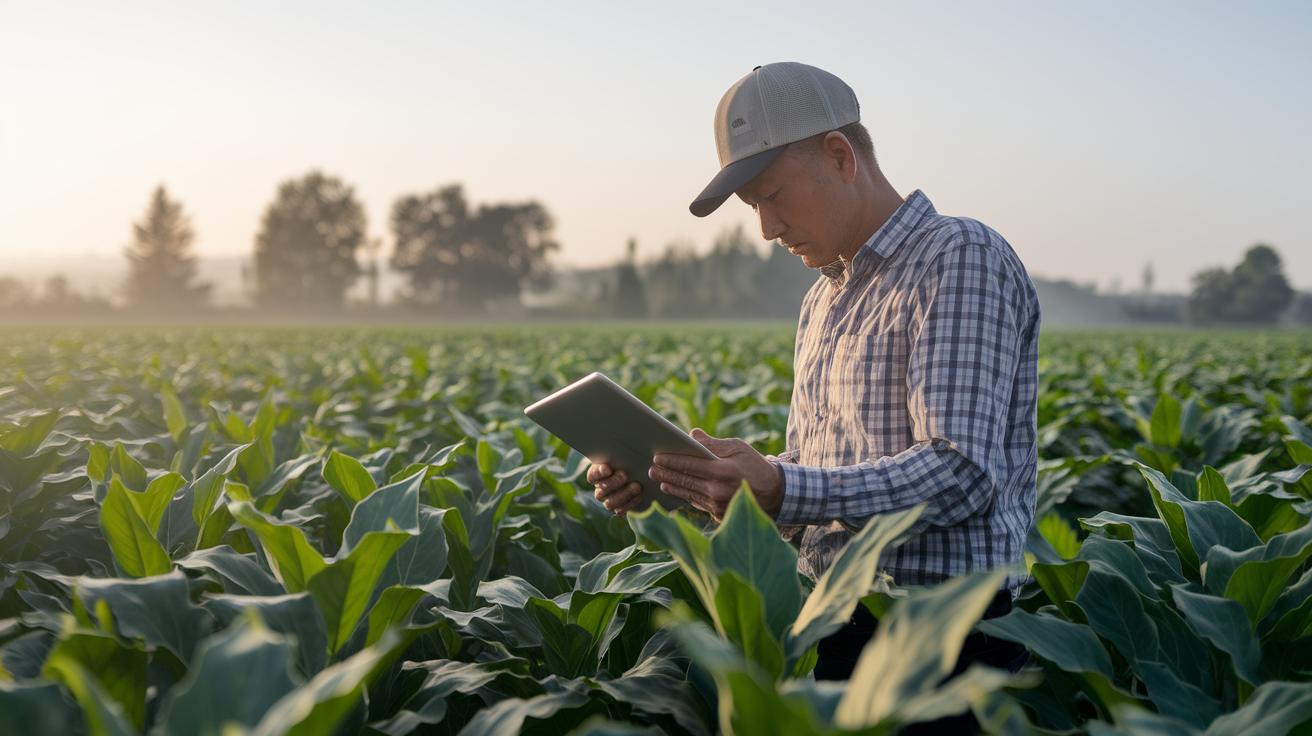
New policy changes are proving essential in response to the stark realities revealed by the Global Hunger Index. These numbers show that many people aren’t getting enough food, and that means governments, agencies, and communities everywhere are rethinking how food security is handled.
Across our nations, there's a big push to overhaul the Public Distribution System so it’s clear, honest, and more helpful for those who need it the most. Imagine the impact of fixing a system that currently leaves over 90 million people without the benefits they deserve. Officials are even taking a closer look at tools like the Poshan Tracker because experts believe it offers a unique view of child nutrition compared to the Global Hunger Index.
At the same time, projects like the Eat Right India Movement show us that when local communities lead the charge, real change can happen. These efforts highlight that smart, targeted plans can truly shift how we address undernutrition and food shortages.
On an international scale, NGOs and global agencies are teaming up to revamp food systems. They’re investing in youth, education, health, and even improving access to land, all in an effort to build more sustainable and fair livelihoods. Real-world examples from low-income countries remind us that when communities gain better access to credit and resources, food security improves noticeably.
All these steps underline one clear message: combining thoughtful national reforms with global support can significantly lower hunger and boost the nutritional well-being of the most vulnerable among us.
Future Outlook and Zero Hunger 2030 in the Global Hunger Index
New global hunger forecasts suggest that 58 countries might fall short of meeting low-hunger targets by 2030. These predictions use refined, forward-focused data. Smart tools like AI-driven crop monitoring and remote sensor networks (gadgets that pick up real-time field data) are giving us fresh insights beyond the usual food shortage studies. They add a new twist to how we track UN’s Goal 2 for zero hunger.
Renewed global efforts now need to mix these innovative methods into real, actionable plans. It’s like setting an alarm clock for when crops might struggle, a little nudge from smart digital tools to help us spot trouble before it grows.
Final Words
In the action, our discussion covered key aspects of global hunger, including trend tracking, methodology, and regional disparities. We highlighted India's ranking and the pressing challenges driven by climate, conflict, and economic shifts.
The review tied these insights to policy responses and future targets aimed at ending hunger. While hurdles remain, data-driven choices shine a hopeful light. With focused action and informed intervention, the global hunger index holds the promise of guiding effective change for a more secure future.
FAQ
Frequently Asked Questions
How does the Global Hunger Index list and ranking provide insight into country performance and reports for 2021, 2023, 2024, and the upcoming 2025?
The Global Hunger Index compiles country-specific scores and rankings from various years. It outlines food insecurity trends and provides a detailed snapshot of each nation’s struggles through annual updates and public resources like Wikipedia.
What does the Hunger Index measure, including the global hunger rate, and how is it defined?
The Hunger Index measures food insecurity by evaluating indicators such as undernourishment, child wasting, child stunting, and child mortality. It creates a composite score that reflects the severity of malnutrition and the overall global hunger rate.
Which country has the highest hunger rate according to recent Global Hunger Index findings?
Recent Global Hunger Index reports reveal that rankings vary each year, and several nations face critical challenges. For the most accurate details on which country has the highest hunger rate, it is best to review the latest report.


