
Have you ever stopped to think that nearly 700 million people go hungry every day? It’s not just about empty stomachs, it’s about basic rights and the strength of our communities.
This big challenge makes us re-examine how we grow, move, and share food. When we use smart, sustainable ideas, we can build systems that make healthy meals available for everyone exactly when they’re needed.
In this story, we’ll look at practical ideas and research-backed plans that turn food struggles into opportunities for lasting change.
Global Food Security: Thriving with Sustainable Solutions
Global food security means making sure everyone can always get enough safe and healthy food. Right now, about 690 million people face hunger every day, almost 700 million people rely on a meal that isn’t a given. This eye-opening fact shows how food is not just a need but a basic human right. It also helps fight poverty and keeps our economies strong.
Food insecurity happens when communities can’t bounce back from shortages caused by things like drought, conflict, or health crises. Famine, however, is when extreme hunger hits large groups at once and causes serious problems for society. To tackle these issues, leaders need smart food policies that focus on fairness and care for vulnerable groups.
By watching key figures and using clear, data-backed plans, governments and organizations can act fast to ease hunger today. At the same time, these steps help build long-term solutions that support community well-being. In this way, turning a tough challenge into an opportunity makes our food systems stronger and more reliable for everyone.
Food Security Pillars: Affordability, Availability, Quality & Sustainability

The Global Food Security Index looks at four main parts to see how well countries can feed their people while handling challenges. These parts work together, sort of like pieces of a puzzle, to show a clear picture of a nation’s food system.
Affordability looks at how easily people can buy food. It checks if households can manage their budgets when prices suddenly rise, and it considers if there are safety nets to help out during tough times, kind of like saving money for unexpected bills.
Availability makes sure food is ready when needed. This pillar depends on having enough crops, a steady supply chain, and good distribution networks to bring food to every table promptly.
Quality & Safety focuses on keeping our meals healthy and diverse. It ensures food meets essential standards and stays free of harmful contaminants, much like checking that every bite is as safe as it is tasty.
Sustainability & Adaptation studies how countries prepare for changes like a shifting climate. It examines how nations cut down on resource risks and adopt new ways to farm, reflecting fresh trends in sustainable agriculture.
Together, these pillars guide governments and organizations in building food systems that are strong, reliable, and ready to face the future.
Global Food Security Trends: GFSI Insights and Regional Spotlights
Recent Global Food Security Index numbers have been on the decline for the past three years after steady progress from 2012 to 2015. Countries with well-established food systems continue to shine. For example, Finland earned an 83.7, Ireland reached 81.7, Norway scored 80.5, Japan got 79.5, and Canada came in at 79.1. This shows a clear and growing gap between the leaders and those that are lagging behind since 2019.
Take a moment to consider this: In Finland, an impressive score of 83.7 stands in sharp contrast to many other nations. It drives home how vital continuous improvements and data-led decisions are to keeping food supplies steady.
Looking at global harvest and yield numbers tells us more. Some areas have taken full advantage of new farming methods, while others have fallen behind. This uneven progress is making hunger worse in some regions and complicating food distribution worldwide. Every step forward matters when resources are so limited.
Regional Spotlight: Horn of Africa Crisis
In the Horn of Africa, long-term challenges have reached a dangerous peak. Decades of drought, a series of bad rains, severe locust swarms, ongoing conflicts, and mass displacement have all combined to cause widespread hunger in Ethiopia, Somalia, and Kenya.
| Metric | 2022 Change |
|---|---|
| Affordability | Sharp decline |
| Availability | Weak performance |
| Quality & Safety | Moderate decline |
| Sustainability & Adaptation | Under strain |
Challenges to Food Security: Climate, Water, and Crisis Management
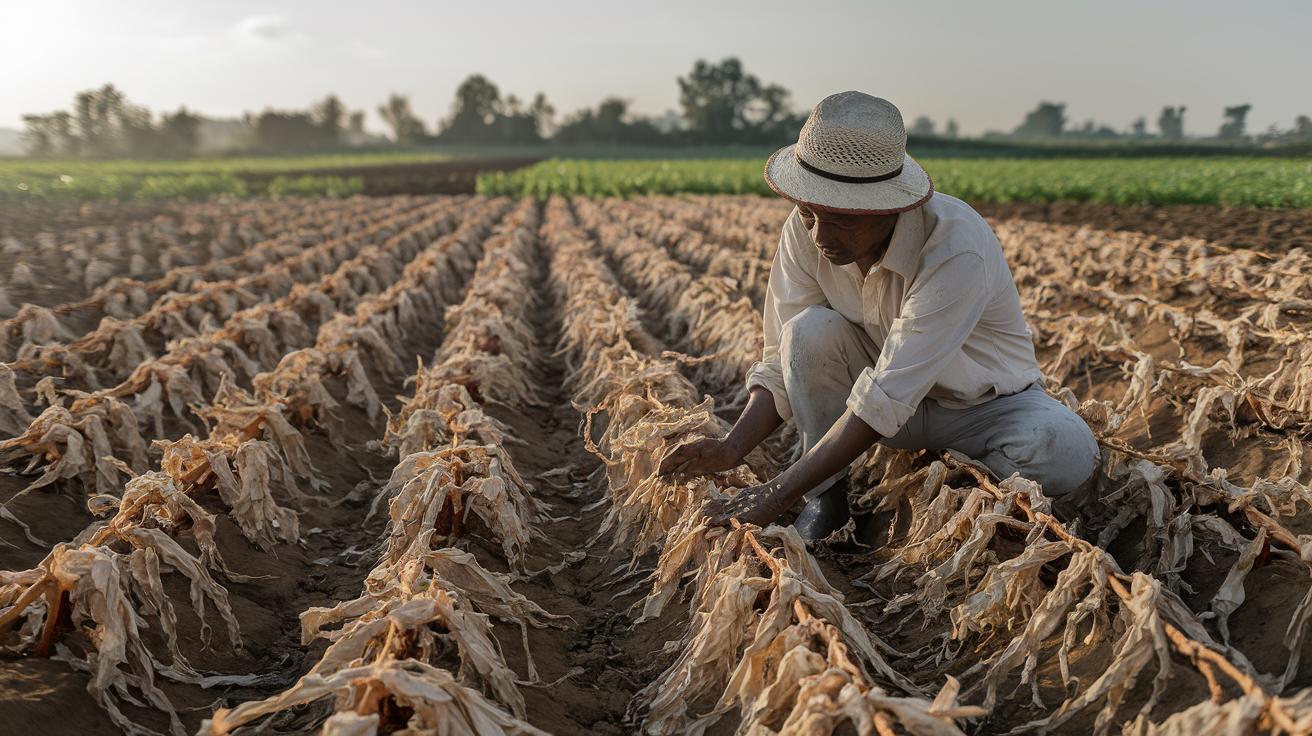
Climate change is making weather events more extreme. In many places, unusual heat waves, heavy rains, and long droughts have put nature under stress and lowered the land’s ability to produce food. This leaves communities with fewer farming options and puts extra strain on local ecosystems.
Farmers are facing a hard truth about water scarcity. With less rainfall and overused water supplies, crops are not growing as well, and competition for irrigation has become fierce. This struggle makes it even harder for farmers to produce enough food, adding pressure on resources that are already running low.
Conflict and forced migration add to these challenges. When people are forced to leave their homes or lose access to their farmlands, even small setbacks become hard to overcome. This situation highlights the wide gap between everyday food insecurity and the dire reality of widespread famine.
Today, crisis management centers on careful planning of emergency food aid. Nations are putting programs in place that offer quick relief and build long-term strength in affected communities. These strategies include distributing emergency food rations and planning ahead for future shocks, so communities can recover and get back on their feet.
Global Food Security Policy Responses and International Initiatives
The World Food Programme leads the charge with five simple solutions. They offer emergency food rations right when people need them, provide school meals to keep children fed when home supplies are low, support nutrition so everyone gets a balanced diet, help communities bounce back through resilience building, and push for long-term changes with policy advocacy. UN agencies and national governments back these actions with safety-net programs, subsidies, and clear nutritional standards, making sure that even the most vulnerable can access healthy food.
Policymakers are stepping up with food policy reforms that tackle hunger today while planning for tomorrow. New programs that boost emerging leaders bring fresh voices into decision-making, and partnerships with businesses and fellowships are building strong teams for long-lasting food policy changes. Every project shows that a united global effort can fight food insecurity. Initiatives like setting up regional food hubs, practicing emergency drills, and training local communities remind us that we can make a real difference.
These food policy frameworks deliver clear benefits, both in everyday life and during emergencies. Think about communities that get targeted aid during natural disasters – that help eases immediate hardship. It’s clear that working together, institutions can create food systems that are both strong and flexible, supporting human rights and community well-being every step of the way.
Innovations and Sustainable Practices Enhancing Food Security
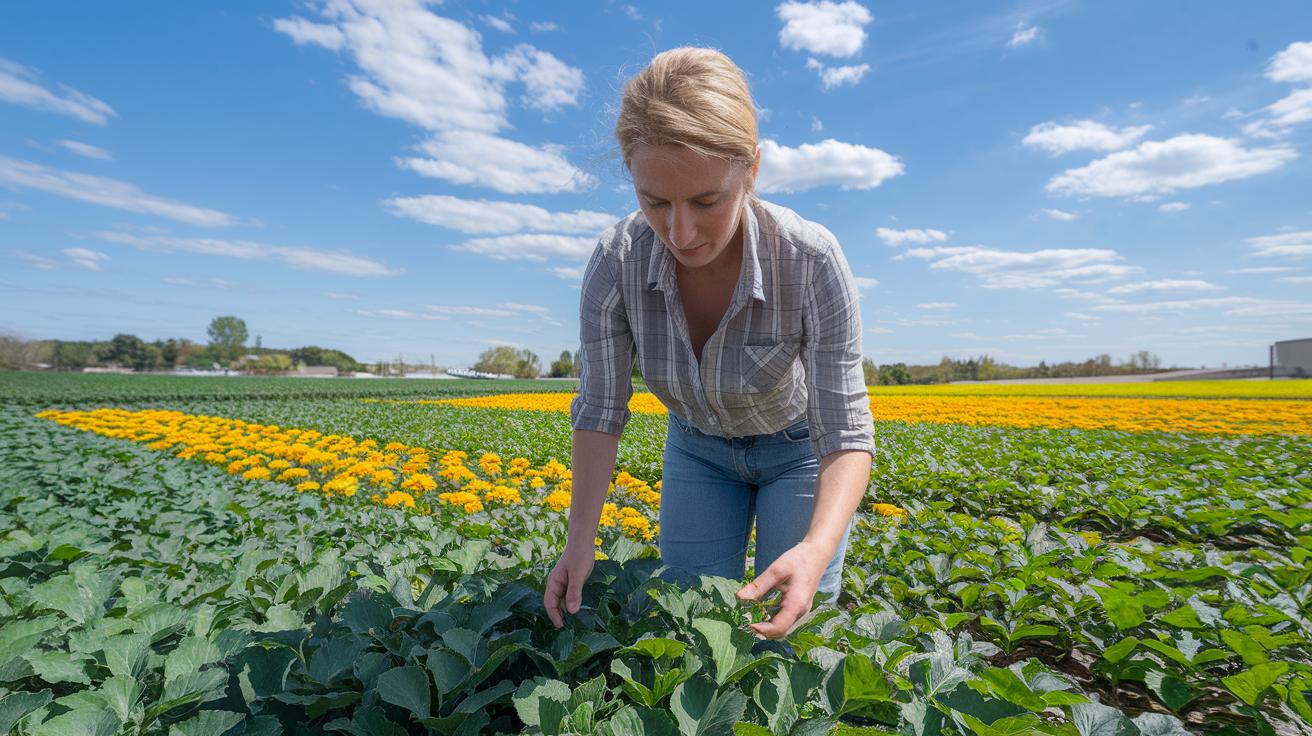
Investments in farming are leading to fresh, simple ways to feed more people while protecting our resources. New techniques, better seeds, and easier access to tools are helping farmers work smarter and build food systems that last. Women farmers are getting more support, up by about 18.4%, and farmers are now 10.1% more likely to access advanced tech to help their work.
One new idea is the use of improved seed varieties. These seeds are designed to produce more crop and handle tough weather. Think of it like a new recipe that just works better no matter what.
Then there’s precision irrigation. With this method, farmers use smart tools like soil sensors and satellite images to water their plants just the right amount. This means less water wasted and healthier crops overall.
Agroecology is another promising approach. It mixes different crops, smart watering methods, and natural ways to deal with pests to create a balanced, healthy farm environment.
Digital platforms are also making a big difference. These online tools connect farmers with the latest market info, weather updates, and advice from experts to help them make better decisions.
Finally, inclusive finance is opening doors for smaller farmers. With programs that offer affordable loans and subsidies, many more farmers can invest in modern tools and ideas.
Together, these advances not only boost crop yields but also help protect our natural resources. They show that by combining technology with sustainable practices, we can keep our food systems strong for years to come.
Future Directions for Global Food Security: Scenarios and Projections
By 2050, we’ll have around 9.7 billion people on the planet, which means we need to boost our food production by about 56%. This huge challenge calls for a complete makeover of how we grow our food. We need to adopt farming methods that use our resources wisely and respect the climate.
Imagine it like updating an old system with new, smarter tools, each improvement helping farms produce more food and stand strong against future challenges. New technologies such as precision agriculture (using targeted methods for more effective farming), improved seed varieties, and digital data tools can truly transform traditional farming. These modern methods not only help increase output but also build a strong network of farms that can handle tough times.
Smart investments in research along with timely policy changes will give farmers and leaders the tools they need to save essential resources while boosting yields. Getting ready for disasters and managing our resources sustainably is super important, especially with the growing challenges brought on by environmental shifts.
By blending these innovative solutions with tried-and-true methods, we can close the gap between today’s practices and the high production targets we need. In doing so, our food systems will be better equipped to absorb shocks and quickly adapt as climates change. Overall, these coordinated steps light the way to a secure and sustainable food future for everyone.
Final Words
In the action, we explored what global food security means by breaking down its core pillars and key metrics. We looked at trends from global data to regional case studies and examined the impact of climate challenges and water shortages on food safety and availability. Policy responses, innovative practices, and future projections were also highlighted. This comprehensive approach shows how addressing food security can build economic strength and human rights, leaving us hopeful for progress and sustainable solutions.
FAQ
Q: What is global food security?
A: The global food security means having steady access to enough safe and nutritious food for a healthy life, ensuring stability even during shortages or economic shifts.
Q: What are the three biggest threats to global food security?
A: The three biggest threats to global food security include climate change (disrupting crops and weather), water scarcity, and conflicts that cause disruptions in food supply.
Q: Why is food security a problem in the world?
A: Food security is a problem because hunger affects millions globally, driven by climate impacts, limited resources, and crises that disrupt access to essential, nutritious food.
Q: Which country has the highest food security?
A: The highest food security is seen in Finland, which tops global rankings with robust measures in affordability, availability, quality, and sustainability.
Q: Where can I find global food security publications and evaluation metrics?
A: Global food security information is available in journals, PDF reports, and articles from reputable organizations like the FAO, with metrics such as Impact Factor and Scimago assessing research influence.


