
Can one number sum up our economy's story? GDP gives a clear picture of how our nation recovers and faces hard times.
In this article, we'll walk through the key figures and how adjusting for inflation (that is, taking into account the rise in prices) helps us understand true progress. Ever wonder how these changes affect your everyday life?
Looking at recent trends, you'll see how production and fresh ideas build strength in our communities. It’s a simple reminder that even when things feel uncertain, our economy can still shine.
Annual GDP Growth by Year: Historical Data & Trends

The U.S. economy has moved through many ups and downs in the past few years. We use something called real GDP, which means we adjust the money values for inflation by using a price deflator (this turns current prices into constant dollars). This method shows whether growth comes from producing more goods and services or just from prices rising. Changes in the yearly growth rate point to shifts in the business cycle. For example, a strong jump in one year can signal a recovery after a downturn.
Below is a table summarizing U.S. GDP growth from 2018 to 2023:
| Year | GDP Growth Rate (%) |
|---|---|
| 2018 | 2.9 |
| 2019 | 2.3 |
| 2020 | -3.5 |
| 2021 | 5.8 |
| 2022 | 1.94 |
| 2023 | 2.54 |
This table highlights some important year-to-year changes. For instance, 2023’s 2.54% rate shows a 0.61% increase from 2022. It’s clear that 2021 saw very high growth, which hints at a bounce-back from an earlier slump. These trends give us a clear snapshot of the economy’s momentum, showing how real improvements help both workers and businesses as long as inflation stays in check.
Real GDP Progression by Year: Inflation-Adjusted Growth

Imagine seeing the economy’s real strength without the distraction of rising prices. Analysts do this by using a price deflator to turn nominal GDP into constant dollars, which means they remove the effect of price changes so we can tell if growth is coming from increased production or just higher prices. In fact, in some years, adjusting for inflation has shifted the headline growth rate by as much as 0.5 percentage points, showing a clear difference between price-driven gains and true increases in output.
Between 2019 and 2023, different deflator rates helped reveal the real growth in production. These adjustments show when the economy’s improvements come from actually making more goods and services rather than from changes in prices. Analysts rely on these figures to compare annual output in a way that isn’t skewed by price variations. (Side note: The Rostow stages of economic growth provide extra context for understanding long-term development.)
Year-on-Year Economic Output Expansion: Key Growth Drivers

GDP growth over the year comes from different parts of the economy working together. Economists break down this growth into four key components, each influencing the overall progress in its own way.
First, there’s consumer spending. This is everyday purchases by households, like filling up a grocery cart, that drive production and create jobs. It’s like the pulse that keeps the economy beating.
Next, business investment plays its role when companies spend on projects and new equipment to get ready for the future. Picture a factory upgrading its machines to run more efficiently; that kind of investment builds long-term strength.
Then we have government outlays. When local or national bodies spend money on things like roads or public services, they boost many industries with the extra cash flowing into the system.
Lastly, net exports matter a lot too. This is simply the difference between what a country sells to other countries and what it buys from them. Imagine a scenario where a country exports high-tech gadgets and imports raw materials, such trade dynamics can really shift the overall growth picture.
It’s also important to note that inflation can make these numbers look higher simply because prices have gone up even if the actual output hasn’t increased as much. And in emerging markets, where the market-to-PPP exchange-rate ratios (basically, a way to compare the buying power of currencies) usually fall between 2 and 4, these factors can make a big difference in the reported growth. This helps explain why some nations show stronger annual growth trends, reflecting a real upswing in their economic performance.
gdp growth by year: Strong Economic Momentum
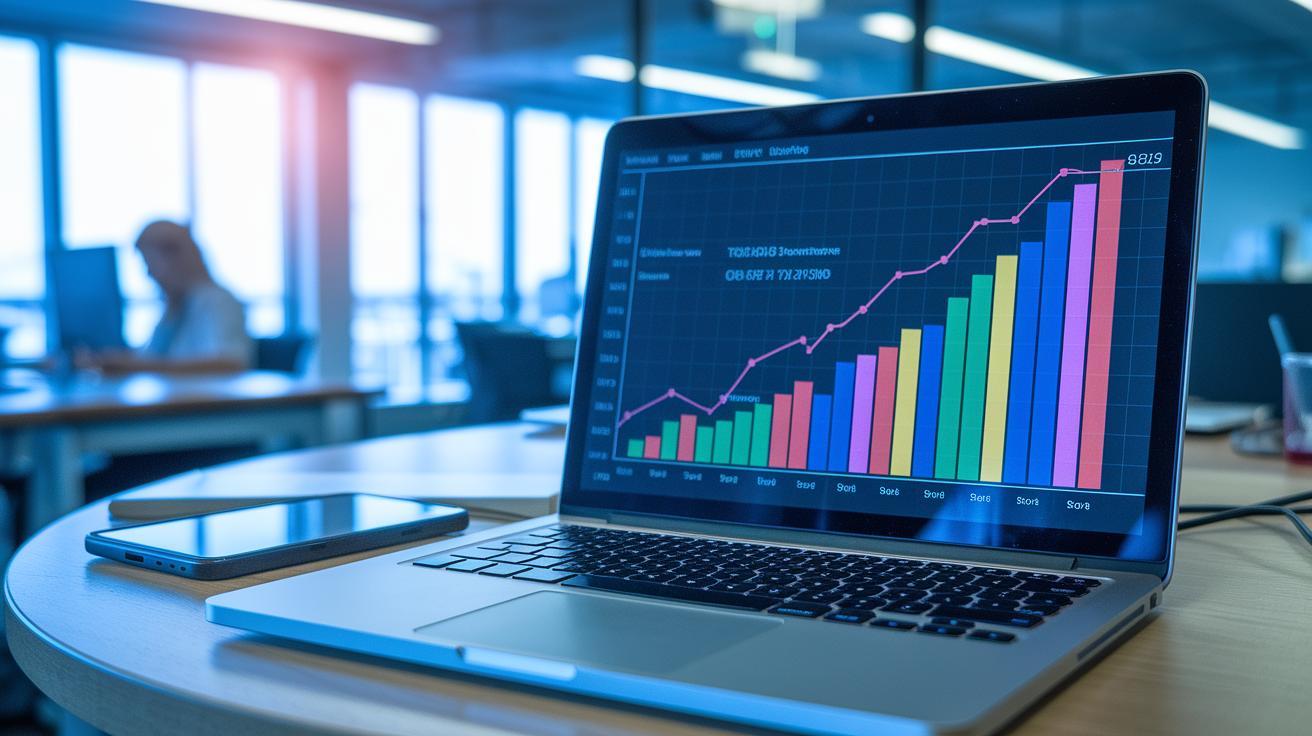
When tracking a country's growth, it's key to convert local figures to U.S. dollars. Economists use either market exchange rates or PPP rates (which adjust for the price differences of everyday items). PPP often shows higher growth for lower-income nations, because goods cost less there. A look at the U.S., China, and India from 2000 to 2023 reveals that emerging markets grew faster in percentage terms than developed ones. This marks a clear shift in global economic power.
In the early 2000s, China and India began rising quickly. By the time the 2000s boom hit, both countries were outpacing the U.S. in growth. Checking the annual GDP changes shows just how fast they progressed.
Below is a simple table summarizing sample growth rates for these major economies:
| Year | U.S. Growth Rate (%) | China Growth Rate (%) | India Growth Rate (%) |
|---|---|---|---|
| 2000 | 4.1 | 8.3 | 4.8 |
| 2005 | 3.5 | 10.1 | 9.3 |
| 2010 | 2.5 | 10.6 | 8.5 |
| 2015 | 2.9 | 7.1 | 8.0 |
| 2020 | -3.5 | 2.3 | 4.2 |
| 2023 | 2.5 | 5.2 | 6.0 |
By converting GDP into U.S. dollars with PPP, we get a clearer picture of living standards. Emerging markets often show higher percentage growth, suggesting rapid increases in production. Over the decades, these shifts help us see how global economic leaders are changing. Have you ever wondered how these numbers reshape our understanding of economic strength?
GDP Growth by Year: Calculation Methods & Measurement Limitations
We figure out GDP by adding up what people spend, where businesses invest, what the government uses, and the net of exports and imports. This way, we get a clear snapshot of the economy's changes each year. To see the real change in output over time, experts adjust the numbers with a price deflator (a tool that removes the impact of rising prices).
For example, imagine comparing a year when prices climbed with another when production really took off. The price deflator helps us know if the growth is genuine or just a side effect of inflation.
But GDP isn’t perfect. It overlooks things like unpaid household work, environmental effects, and even the value of our free time. It also doesn’t show how income is spread among everyone. So, while GDP is a handy tool for tracking annual growth and past performance, it doesn’t tell the whole story about society’s well-being.
Other measures, like the Human Development Index, Genuine Progress Indicator, and Gross National Happiness Index, try to cover these gaps. They give a broader view of quality of life, even though they face criticism too. And some experts look at extra clues, like Leading Economic Indicators, to predict yearly GDP shifts and give extra context to traditional GDP figures.
Final Words
in the action, we explored how yearly shifts in the economy shape overall progress. We compared real and nominal measures, examined inflation adjustments through price deflators, and broke down key components driving change. We also contrasted growth patterns across countries over time and highlighted calculation methods with their limits, all while focusing on gdp growth by year. This layered look offers a clear snapshot of economic trends and leaves us with a sense of optimism about the road ahead.
FAQ
How does a GDP growth by year graph illustrate economic trends?
A GDP growth by year graph shows annual changes, highlighting economic strength and recession periods while helping visualize shifts in economic performance.
What was the U.S. GDP growth rate for 2022?
The U.S. GDP grew by 1.94% in 2022, reflecting a slower pace compared to other recent years and indicating shifts in economic momentum.
What has been the GDP for the U.S. over the last 5 years?
The last five years of GDP data reveal fluctuations in growth rates that offer insight into the country’s evolving economic progress.
What is considered a good annual GDP growth rate?
A steady growth rate around 2-3% is generally seen as healthy, suggesting balanced advancement in production and economic stability.
What is the highest GDP growth rate in U.S. history?
Historical records show that the highest GDP growth rates occurred during strong recovery periods following major downturns, though exact figures depend on how metrics are adjusted.
How is U.S. GDP measured year on year?
U.S. GDP is calculated using the expenditure approach and adjusted with a price deflator, which separates real production gains from mere price increases.


