
Can the energy industry really change our economic path? Recent trends are hinting at a market surge happening sooner than we thought.
New clean energy installations are slowly matching up with the older power plants, and even global emission numbers are starting to tell an interesting story.
Fresh government policies and smarter cost estimates are changing the way experts predict the future. And then there’s the growing need for digital solutions, another twist in this ever-changing tale.
This new view of our energy future brings big chances for both investors and local communities. It feels like we’re at a turning point that could completely reshape how we generate and use energy.
Current Energy Sector Economic Outlook: Market Forecasts & Key Trends
The energy sector is set for a strong comeback as more clean energy comes online and shifts the market dynamics. We’re now seeing global CO₂ emissions reach their peak in 2024, with the first steady drop expected in 2025. This change happens because renewable power installations are starting to balance out the emissions from older energy sources.
Updates to our base-case outlook now use new policy ideas and cost estimates, giving us a clearer view of both clean and fossil-fuel energy production. Reviews of power use in data centers add even more detail, showing how our growing digital world is affecting energy use.
Under one scenario, oil demand might climb to about 104 million barrels a day by 2032 but then fall to 88 million barrels a day by 2050. Road-fuel use is expected to peak even sooner, while demand for aviation fuel could double over the same period. Meanwhile, products made from oil, like those used in plastics and other materials, are on track to keep growing. For those who track sector profits, tying these trends back to economic value can offer a better look at how the industry might perform.
Wider economic trends are linked directly to power market forecasts and global consumption patterns. In fact, investments aimed at boosting energy efficiency and rolling out new technologies are shaping the future of the industry. Experts say that as policies change and market conditions shift, there are fresh chances for investors to rethink their strategies. With improvements in operations, new ideas in funding, and a firm move toward sustainability, the outlook for the energy sector appears promising.
Energy Sector Economic Outlook: Bright Market Surge

The oil market is starting to look different. New price-forecasting models are shaping a clear plan for future investments. Under the Economic Transition Scenario, estimates say oil production might jump to 104 million barrels a day by 2032, then drop to 88 million barrels a day by 2050. That’s quite something. Remember when oil prices used to be all over the place? Now, thanks to updated cost estimates, we have a clearer picture of breakeven ranges for big production areas. This shift is making investors take a closer look at where they put their money in oil and gas.
Investors are leaning toward projects that promise steady returns, even when there are bumps in the supply chain. Analysts are keeping a close watch on the Henry Hub price forecast to understand natural gas trends. Demand for natural gas is growing, especially because more power is being generated with it. At the same time, the LNG market is shifting quickly. Here are some key insights:
- LNG markets are growing, with more liquefaction capacity and changes in shipping rates.
- Different regions are showing unique demand trends, reflecting varied international crude market conditions.
- New cost estimates for fossil-fuel production are changing how companies view risks in non-renewable resources.
These new models and updated cost ideas are not just numbers on paper. They’re changing how companies plan and invest, while also supporting the steady progress the sector has been making.
Energy Sector Renewable Trajectory and Clean Power Transition Study
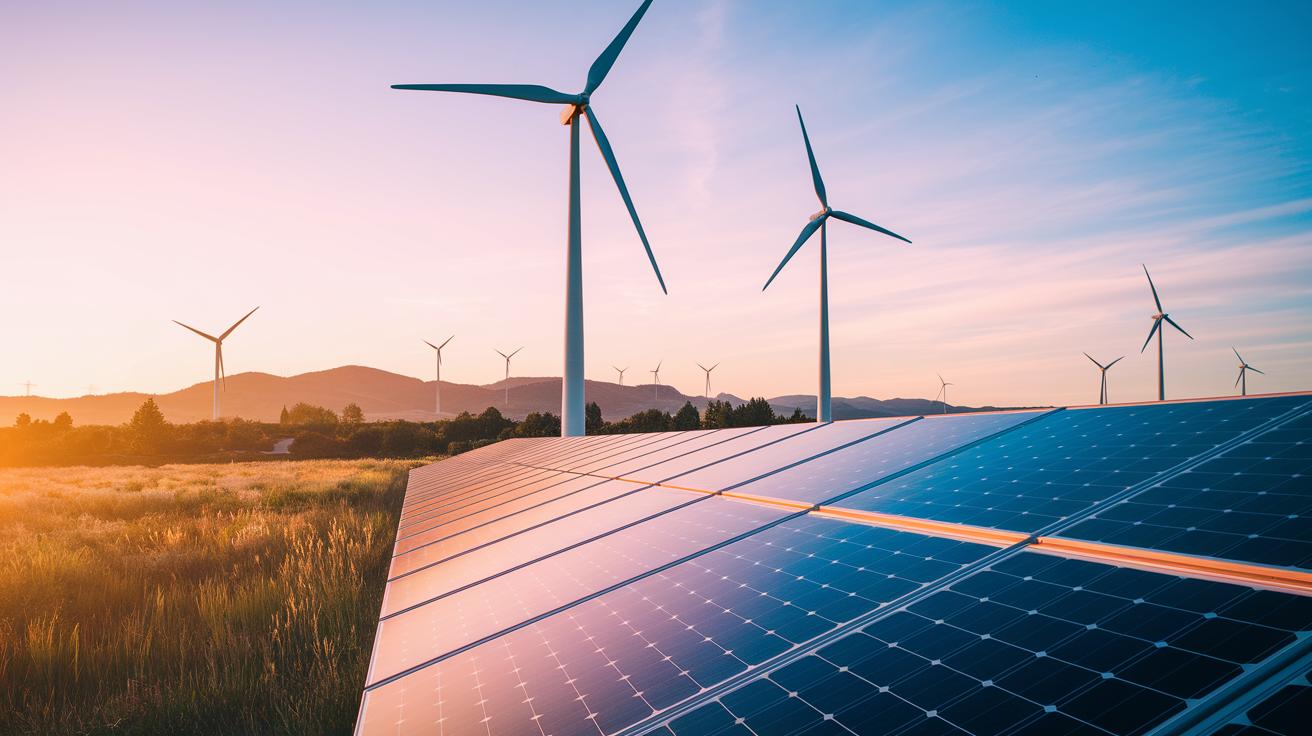
Studies show that wind and solar power are booming, with global installations climbing about 15% each year. This study shows how clean energy is paving the way for big changes in our power systems. Think of it like a river slowly carving its own path over time. It’s not just about more energy capacity, but also about better efficiency and lower costs.
Electric cars are adding to the demand for power. Experts expect the number of electric vehicles to double by 2030. At the same time, the cost of solar panels has dropped 40% since 2020, and onshore wind has fallen by 25%. These lower costs are making clean energy a more attractive option for everyone. Companies are investing more in clean power systems, and that’s helping shape our future.
Money is also pouring into upgrading our power grids. Smart-grid improvements and better battery technology are making it easier to manage energy fluctuations. Experts keep a close eye on these changes, working with policymakers and industry leaders to build a strong, low-carbon future. The study clearly shows that renewable energy will drive economic growth by providing reliable, affordable power to communities around the world. Bright progress continues.
Policy, Regulation, and Decarbonization Impact Analysis in the Energy Sector
Global energy policies are shifting, setting the stage for major changes in the industry. New targets under the Paris Agreement and fresh clean-energy rules for 2030 are pushing companies to rethink how they lower carbon emissions. Energy firms are now adjusting their plans to fit these updated legal and policy frameworks.
Governments are also taking active steps by using tools like feed-in tariffs (fixed prices offered for renewable energy), tax credits, and carbon pricing (a fee on emissions) to boost renewable investments. Other measures, such as managing strategic petroleum reserves and enforcing demand-side mandates, help keep the market steady as it moves toward cleaner energy. These actions not only support green energy but also show a firm commitment to reducing emissions.
Reviewing compliance and emissions reporting is another key part of the shift. New standards and emerging carbon-border adjustments are slowly paving the way for a low-carbon future. All these changes work together to create a more predictable environment for investments and encourage closer cooperation between public agencies and private companies.
In truth, combining detailed analysis with hands-on government support is marking a clear turning point for the energy sector, a moment that sets the path toward sustainable growth and a cleaner tomorrow.
Investment Insights: Green Capital Opportunities and Financing Models in the Energy Sector
Investors are keeping a close eye on how funding is changing. Many companies are working hard to balance careful spending in oil and gas with exciting investments in new energy. Analysts say that the way we evaluate risk is shifting as firms try different approaches to using their money. There are plenty of green capital opportunities right now. For example, projects in solar and offshore wind are showing us new ways to finance renewable energy.
Recent data shows that green bonds and ESG-linked loans reached $300 billion in 2024, and experts expect that number to rise to $400 billion by 2025. This growth is a big sign that the market believes in low-carbon technologies. Banks and financial institutions are now leaning more on green finance as global capital shifts. Plus, government policies like corporate tax credits and R&D grants are making these projects more attractive.
Companies are rethinking their portfolios with fresh financing ideas. They’re mixing traditional investments with emerging green capital, which is a smart way to support the energy transition. These new methods not only promise sustainable growth but also offer a chance to earn healthy returns as market trends continue to evolve. It’s a transformative time in the global energy market, and many investors and industry leaders see these changes as the spark for a major shift in how energy is financed.
Energy Sector Economic Trends: Demand Forecasting, Volatility Risk, and Resilience Factors

Advanced demand forecasting techniques play a key role in today's energy plans. Analysts now use scenario-based models that mix policy factors and market conditions to predict rising loads. For instance, the rapid growth in power needs from tech like AI is pushing data center energy use up by around 5% each year. This big-picture view often ties into measures like GDP growth by year.
Experts keep a close eye on volatility as commodity prices swing sharply. In 2024, Brent crude has seen about a 15% price shift over 30 days. This kind of sudden change pushes professionals to fine-tune their methods, so they catch both short-term jitters and long-term trends.
Supply chain checks show that shortages of key minerals are holding up battery production and disrupting material flows. Many companies are coping by widening their supply sources and investing in smarter storage solutions. These steps not only keep production on track but also offer useful insights for handling uncertainty.
Investors are now reaping the benefits of risk mitigation strategies that strengthen the overall system. By defending against market swings and supply challenges, these methods underline the importance of both strong forecasting and resilience. Watching price changes and supply chains together helps guide smart, strategic decisions in our unpredictable energy landscape.
Final Words
In the action, this article broke down market trends, from fossil fuel investments and price forecasting to renewables and clean power transitions. It covered policy shifts, decarbonization efforts, and capital flows in a clear, data-driven way. The insights bring focus to various economic factors shaping the energy sector economic outlook, helping readers see how demand and regulatory changes weave together. With evidence grounded in facts and thoughtful analysis, there’s a positive view for smart planning and reliable trends ahead.
FAQ
Q: What does the energy sector economic outlook for 2025 indicate?
A: The energy sector economic outlook for 2025 indicates key shifts such as renewable growth, demand realignments, and policy changes that will shape market trends in coming years.
Q: Where can I find the energy sector economic outlook PDF?
A: The energy sector economic outlook PDF is available from prominent agencies and industry sources, offering updated data and concise reports on market trends and key forecasts.
Q: How do the EIA long-term and annual energy outlook reports compare?
A: The EIA long-term and annual outlook reports compare by offering extended forecasts alongside yearly updates, covering fossil fuel trends, renewable capacity, and regulatory impacts on the energy market.
Q: What is the future outlook for the energy sector?
A: The future outlook for the energy sector shows a rise in renewable capacity, adjustments in fossil fuel demand, and measures driven by updated policies that guide growth and market stability.
Q: Is the energy sector worth investing in?
A: The energy sector is considered worth investing in due to its mix of stable returns from traditional sources and growing opportunities in renewables, though investors should review market trends and policy shifts carefully.
Q: What is the outlook for energy stocks?
A: The outlook for energy stocks reflects evolving market conditions, with price fluctuations and a transition toward sustainability creating both opportunities and risks for investors.


