
What if voting were as easy as flipping a switch? Right now, debates over election reform are growing, and major changes are shaking up how we vote. Senators Klobuchar and Manchin are at the forefront with the Freedom to Vote Act, a plan that expands early voting and improves how mail ballots are handled. These changes could make voting simpler and more accessible for everyone. In this article, we break down how these reforms are set to modernize our election system and ensure every vote counts.
Overview of Election Reform Updates and Their Current Impact
Election reform updates give us a clear look at how voting methods are getting a modern boost across the nation. On September 14, Senators Klobuchar and Manchin rolled out the Freedom to Vote Act. This new law mix is set to widen early voting, improve mail-in ballot access, and even suggest marking Election Day as a federal holiday. Ever wonder what it would be like if voting worked as simply as flipping on a light switch?
In 2022, mail voting jumped about 5 percentage points above its usual level, while early voting settled back into its pre-pandemic rhythm. Picture a voter watching unofficial election night counts and then waiting for the full canvass to reveal the official outcome.
A look back at the 2020 vote-counting process shows that states using mail-ballot pre-processing tallied 78% of votes within just four hours after polls closed. States without that pre-processing reached only 63% in the same time frame. Even though the gap evened out after 24 hours, those quick counts started discussions on the best ways to count votes. Meanwhile, in 2024, Republicans are now showing mixed feelings about mail voting, a noticeable change from the clear partisan divide seen in 2020.
Researchers, backed by the NSF, are now closely reviewing past midterm and presidential elections. They are gathering insights to help guide big changes in policy and adjust state ballot rules. Their work promises to open new paths for fine-tuning absentee ballot methods, ensuring that every vote is counted correctly in our democracy.
election reform updates: Inspiring Change Today
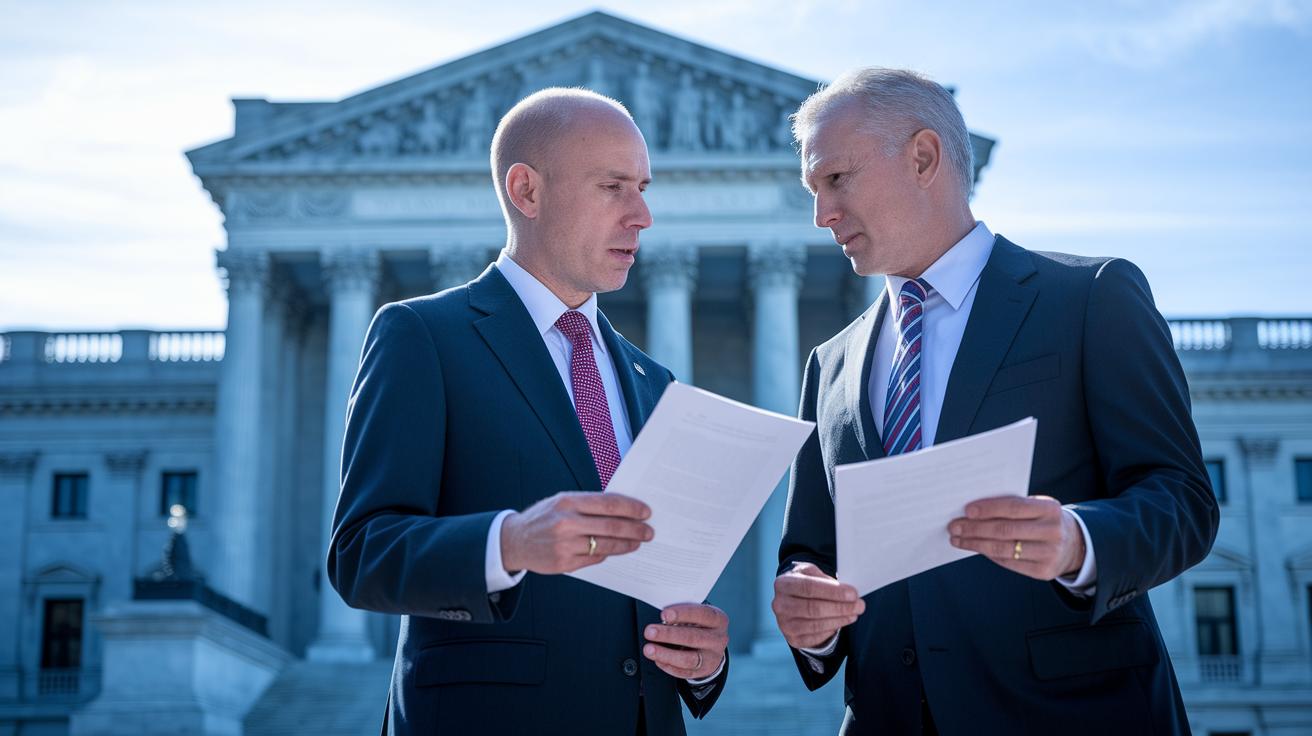
Senators Amy Klobuchar and Joe Manchin kicked things off on September 14 by unveiling the Freedom to Vote Act. They mixed key parts of the For the People Act of 2021 with ideas from Manchin’s own proposal. The bill is split into three parts, each set to improve how counties run their voting processes. Think of it like a busy market checkout being streamlined, every section takes on a specific role to make things run smoother and safer.
The National Association of Counties (NACo) has also joined the conversation. They offered clear insights about both the Enhanced Election Security and Protection Act and the Sustaining Our Democracy Act, looking ahead to the 2022 midterms. Their expert take has shed light on how these bills will reshape legal rules. In fact, on July 9, NACo sent a formal request to the House and Senate Appropriations Committees to fund county operations well into FY 2026.
On July 3, Congress passed a major budget reconciliation bill that has sparked plenty of debate. County officials are worried it might hurt programs like SNAP and Medicaid. This worry shows just how connected election reforms are to wider social services and overall budget plans.
Overall, these federal moves are building a new blueprint for change. The Freedom to Vote Act and similar measures promise to create a more secure and efficient system, addressing both county-level needs and big-picture challenges in nationwide election management. The push now is for reforms that meet everyday needs while strengthening our democratic process.
State Election Reform Updates: Ballot Access Improvements and Absentee Modifications
Several states have run into unexpected legal and political hurdles while trying to update ballot access rules. In one state, a pilot effort to pre-read mail ballots ran into delays when a court stepped in to review the process. But here’s an interesting twist: In State A, officials teamed up with local courts to change the absentee process. This new method cut the time it took to count ballots significantly.
In another state, leaders brought in a team from both sides of the political aisle to oversee absentee ballot processing. This mix of new voting ideas with old safeguards helped ease tense partisan arguments. A local official explained that in State B, updating the ballot rules meant winning support from a wide range of groups, which led to a spirit of cooperation even in tough political times.
| State | Unique Policy | Challenge Faced |
|---|---|---|
| State A | Immediate pre-processing of mail ballots | Judicial review delays |
| State B | Bipartisan oversight of absentee-ballot procedures | Partisan disputes |
Election Reform Updates in Redistricting and Gerrymandering Prevention

Local groups and lawmakers are pushing for independent commissions to draw voting maps. They want to leave behind partisan methods that have skewed district lines for years. The goal is to make districts that truly serve communities by cutting out political favoritism. But these fresh ideas have hit speed bumps. Lawsuits and political battles have delayed or stopped new maps, leaving many voters in limbo.
Experts say that well-shaped, community-based districts are key to protecting each voter’s voice. They believe independent commissions can fight against gerrymandering (when district lines are drawn to give an unfair advantage to one party) by basing maps on real community needs rather than political gain. Despite the courtroom drama and legislative hurdles, many remain hopeful. They believe that once these legal challenges are overcome, a fairer system that mirrors the true pulse of communities is within reach.
Election Reform Updates in Campaign Finance and Transparency Initiatives
Legislators are working to change the way campaign money is handled. New bills propose cutting down on how much individuals can donate and require quicker reporting of those donations. The goal is simple: every dollar spent in campaigns should be clear and easy to track. Imagine it like watching a live sports score, every play is updated instantly, so nothing slips through the cracks.
They’re also thinking about adding rules that let experts double-check the numbers once elections are over. Auditors and legal folks believe these checks will help catch any mistakes or shady deals after the votes are counted. Many experts say these steps fit right in with the broader ideas in the Freedom to Vote Act, building a stronger, fairer system for election reform.
Both lawmakers and watchdog groups are hopeful that these changes will cut down on secret backdoor deals in politics. With clearer rules, voters might soon see a system where every financial contribution is easy to verify. This not only holds people accountable but also helps rebuild trust in how our elections are run.
Election Reform Updates in Voting Technology and Security Measures
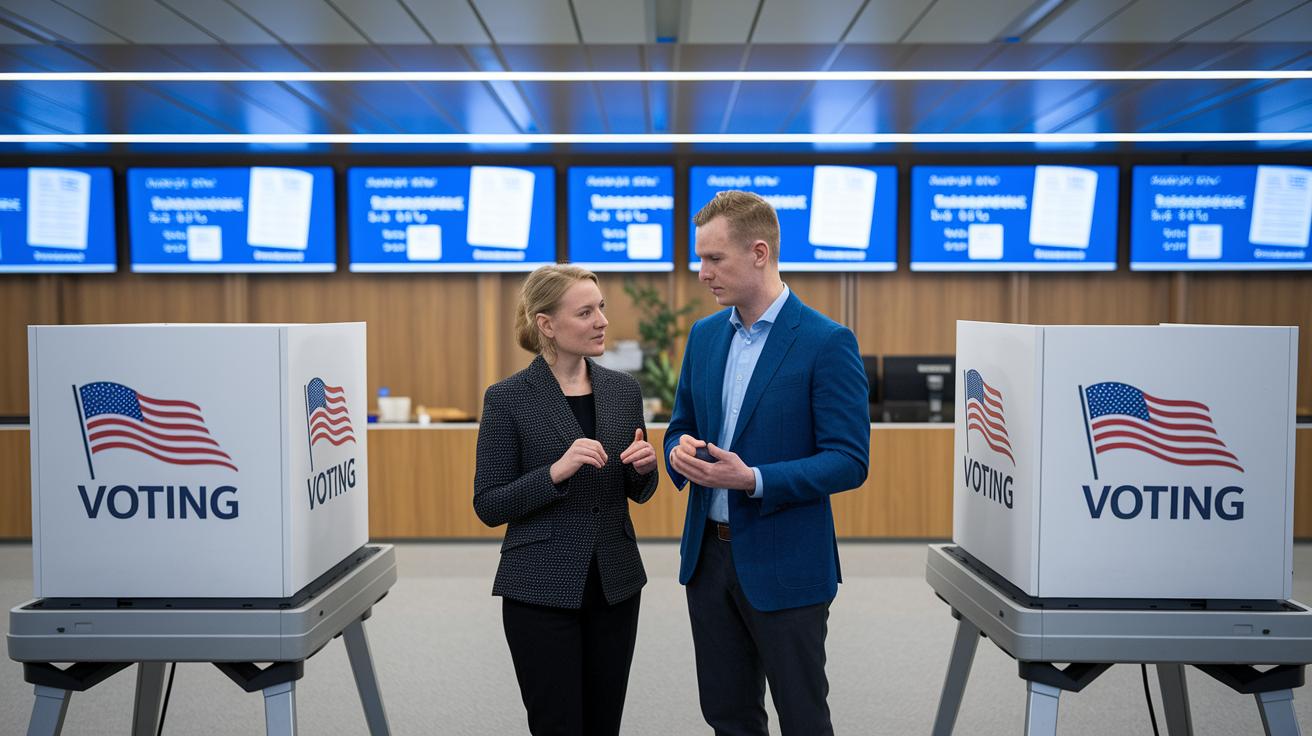
NSF-funded projects are testing new voting machines that promise to be faster and more reliable. One study showed that states using mail-ballot pre-processing returned results 15 percentage points quicker, a bit like swapping an old dial-up for robust high-speed internet.
New plans include digital systems that check every step of the vote count. These end-to-end verification systems are there to make sure every vote stays secure the whole way through. On top of that, upgraded counting machines, which work much like a live scoreboard, are being introduced to cut down on mistakes and speed up the process.
Strong auditing processes are key too. Automated audit trails work with these systems to catch any issues early, while post-election canvassing serves as a second check to fix errors that technology might miss.
Together, these improvements are set to boost the integrity of our vote counts, ensuring every ballot is counted swiftly and accurately.
Election Reform Updates in Registration Modernization and Process Optimization
States across the country are making voter registration easier. They’re encouraging online sign-ups that connect automatically with motor vehicle records, much like filling out a brief form online to get a library card. This change cuts down on mountains of paperwork and speeds everything up.
New ideas include letting people register on election day and automatically signing up those who just turned 18. Think of it like a student joining a club without any extra work. This fresh approach means more people can join in and more new voices can be heard at the polls.
The Senate is also chipping in funds to update election offices. They’re focused on reducing red tape and making sure everyone has a fair chance to register. It’s all about smoothing out the bumps so that voting stays simple and open for every eligible voter.
Election Reform Updates: Civic Engagement Programs and Participation Drives
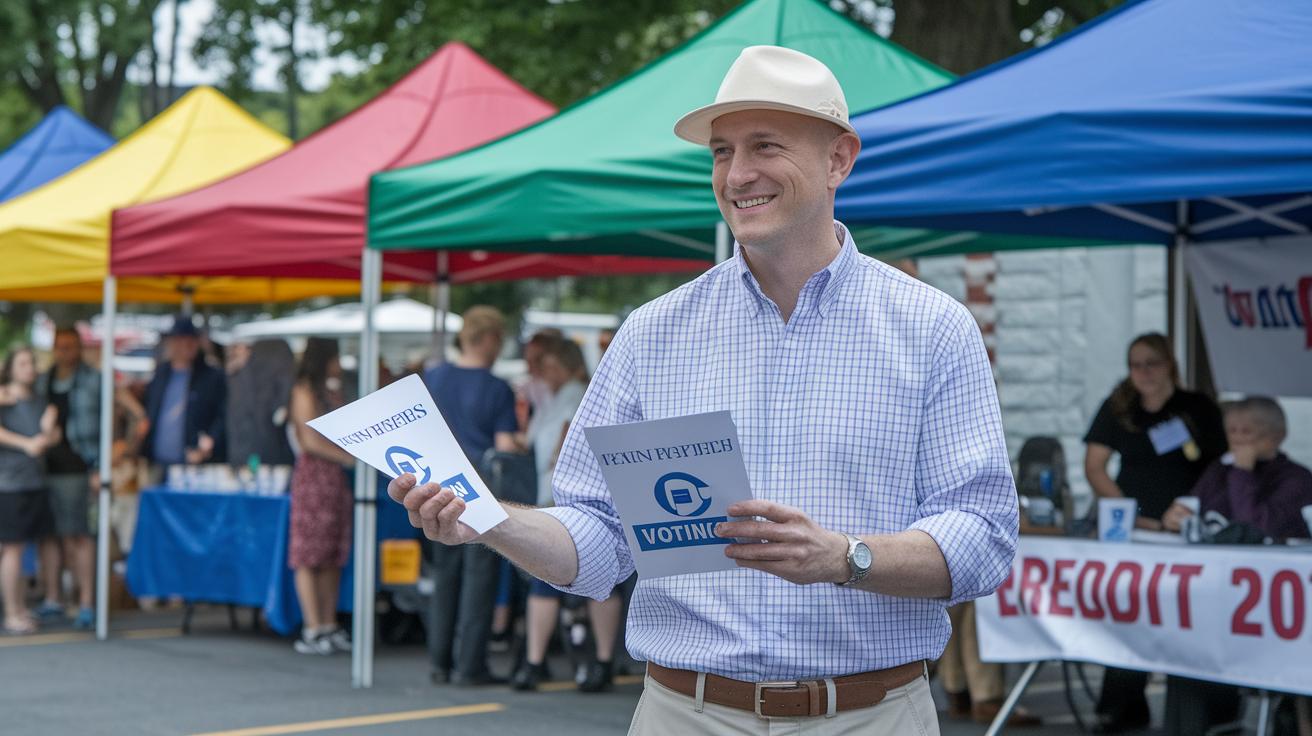
Local outreach programs are stepping in to address the drop in Election Day turnout and ease confusion over mail voting. Groups are meeting voters in familiar spots like community centers and neighborhood events to clear up the voting process in a friendly way. One pilot project, for example, boosted voter engagement by 20% just by making registration details easily available at a community fair.
Local governments are backing projects that test hands-on voter-education plans in underserved areas, reaching directly out to young and minority voters. NSF-supported studies are comparing different ways to encourage first-time voters and win back those who feel unsure about voting. These clear, practical efforts are sparking renewed interest in the electoral process and paving the way for higher voter turnout.
Next Steps for Election Reform Updates: Timeline and Implementation Roadmap
On September 14, the Freedom to Vote Act made its debut, setting things in motion for a series of reforms to update our voting systems. On July 3, lawmakers passed a budget reconciliation bill that shifted how resources are allocated for essential administrative work. Just a few days later, on July 9, NACo put forward its request for FY 2026 funding, stressing the need for strong support at the county level.
Looking ahead, the upcoming legislative sessions in late 2024 and early 2025 will tackle state ballot changes and rules for upgrading voting machines. These sessions are key steps in replacing outdated procedures and modernizing our voting equipment. Experts also believe that after the 2024 midterms, new NSF research on technology pilots and engagement programs will bring fresh insights and may lead to further policy tweaks.
Lawmakers and election officials are getting ready for a gradual rollout of voting system improvements expected to roll out from 2025 through 2028. This plan is designed to update our legal rules so they work better with current technology, strengthen security measures, and simplify voter registration by cutting unnecessary steps.
Every action, from the initial legislative moves to detailed evaluations backed by NSF studies, moves us closer to a voting system that is both secure and easy to use. This timeline not only highlights what has already been done, but also lays out the promising road ahead for our electoral reforms.
Final Words
In the action, our piece traced sweeping changes from federal law advancements to state ballot modifications and redistricting reviews. We looked at campaign finance updates, voting technology shifts, and modernized registration practices, all aimed at sharpening our electoral process. The discussion also shed light on civic engagement efforts that boost voter participation. These election reform updates promise a clearer, fairer process that could reshape how we vote. With a renewed focus on transparency and innovation, there's every reason to feel hopeful for the future of our vote.


