
Have you ever wondered how one small global shift could touch wallets everywhere? Economic globalization links countries like pieces in a giant puzzle, turning little market trades into big opportunities for growth. This mix of money, products, and ideas sparks trade that lifts living standards for many. Sure, there are real challenges along the way, but overall, trade plays a key role in building a brighter future. Today, let's dig into how blending economies can boost trade and create everyday success stories.
Understanding Economic Globalisation: Definition and Scope
Economic globalisation happens when countries become more connected by moving goods, services, money, people, and information quickly across borders. It’s like small local markets join a big worldwide network, which lets countries trade freely and gain from being part of a global economy. For example, big companies often move manufacturing overseas to cut costs, which can mean lower prices for shoppers. But it can also lead to job losses in some countries, like when US companies moved work to Mexico under agreements like NAFTA.
- interconnected markets
- capital mobility
- global supply chains
- policy liberalisation
Real-life examples show both sides of this coin. Many places see better market access and improved efficiency, while others suffer when local jobs vanish and industries shift away. In essence, economic globalisation holds the promise of shared prosperity while also posing challenges that force nations to balance the upsides of free trade with the tough job market changes that follow.
Evolution of Economic Globalisation: Historical Phases
Long ago, neighboring tribes and small city-states traded basic goods and shared ideas through simple networks. With animal domestication and early seafaring, people carried resources across nearby lands and waters. These humble beginnings set the stage for the wider economic links that developed as communities grew.
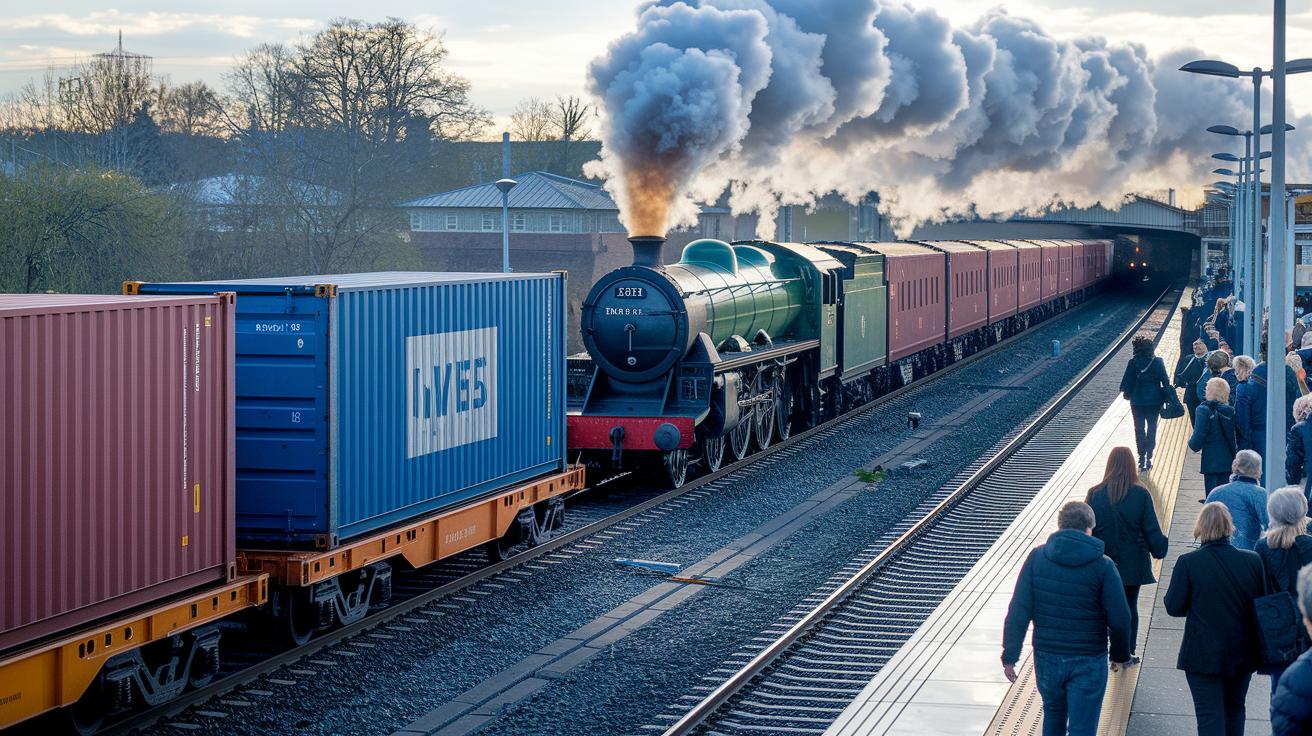
By the 1800s, railroads and steamships changed everything. Industrial production was booming, and huge amounts of goods needed to travel longer distances quickly. Imagine the clatter of trains and the steady chug of steamships, connecting local producers with far-off consumers in brand new ways.
After World War II, the world saw a fresh start in global trade. International groups like the IMF (International Monetary Fund) and WTO (World Trade Organization) were formed to ease trade and stabilize money matters between countries. This shift built trust and standardized how nations exchanged goods, paving the way for today’s trade practices.
Then in the 1990s, agreements like NAFTA and the EU Single Market further transformed economic partnerships. Open markets flourished as regional groups emerged in Asia-Pacific and Europe. Companies began moving operations across borders, taking advantage of easier market access and smoother transactions.
Today’s global economy stands on these historical steps, with decades of reforms still influencing how nations trade and connect.
Drivers and Mechanisms of Economic Globalisation
Trade Liberalisation and Deregulation
Trade liberalisation has been a key force in opening up markets and drawing international business. Over time, groups like the WTO and deals similar to NAFTA have dropped tariffs and eased restrictions, lowering the barriers to global trade. This shift has given companies the chance to extend their reach overseas and cut production costs. Today, trade services even offer market entry reports and trade missions to help businesses explore new sales channels. All of this has boosted economic activity by drawing both local and foreign investments.
Technological and Logistics Advances
Tech and logistics improvements are constantly changing how global markets function. With the rise of containerization (using secure boxes for shipping), faster internet, and better transport networks, moving goods is now quicker and more efficient. Companies benefit from real-time data provided by online business tools that support customer relationship management and smart forecasting. These advances streamline supply chains and improve how businesses respond to changes in the market. In simple terms, better logistics mean products travel from factories to markets with fewer delays, supporting smoother international trade.
Corporate Strategies and Capital Flows
Modern businesses rely on smart support services to navigate the global market successfully. They use detailed market assessments, such as city comparison reports and customer data builds, to decide where to set up operations. Online tools help track and engage potential investors, making these decisions even clearer. In addition, foreign direct investment lets companies pour resources into regions with growth potential. Together, these strategies help firms expand and build strong international ties.
Economic Globalisation: Trade and Development Impacts
Case studies in Southeast Asia and Latin America show that globalisation is evolving. New digital tools and sustainable practices are reshaping how trade and development work today. Data tells us that new production strategies not only boost trade but also help bridge critical gaps in emerging markets. It’s a fresh look at how closely linked our world has become, and policy makers are shifting their views compared to past interpretations. For example, current research shows a country's digital trade platform can cut down customs delays, helping goods reach markets faster.
Some positive shifts include:
- Expanded use of digital platforms to smooth out cross-border trade (learn more at Global Markets Today).
- Faster export growth thanks to sustainable manufacturing practices.
- Better integration of local industries into worldwide value chains.
- More small and medium enterprises benefiting from modern technology.
- Data-backed policy changes that aim for balanced economic growth.
However, challenges remain:
- Some workers face job losses due to fast-tracking automation.
- Income gaps are growing, especially in areas slow to adopt new technology.
- Local businesses feel the strain when markets open up suddenly.
- Increased high-tech production can bring new environmental pressures.
- Workforce skills sometimes struggle to keep pace with rapid technological advances.
Companies are now restructuring production chains and outsourcing parts of their work to cut costs. Meanwhile, trade liberalisation, seen in tariff cuts, comes with data-driven decisions that try to keep both market competition and development goals in check.
Policy Debates and Criticisms of Economic Globalisation
Countries often face big challenges when trying to match their rules with others. When one nation has tough safety rules, and another is more relaxed, it makes trading between them confusing for businesses. Companies aren’t sure which rule to follow when they cross borders.
Ethical questions add another layer of complexity. We keep an eye on issues like workers’ rights, fair wages, and stopping child labor in global supply chains. At the same time, more factory work and long shipping routes can hurt the environment. Some argue that free trade sparks economic growth, but it sometimes pushes aside workers’ well-being and nature’s health.
To fix these problems, policymakers are suggesting a mix of solutions. They’re looking at ways to help small and medium businesses with extra resources and training. They also want to introduce clear social and environmental rules that protect labor rights and nature. Some ideas even include sharing wealth to narrow income gaps caused by global market shifts. Regular reviews of these policies could help keep growth in step with ethics and environmental care.
Future Trends and Strategies in Economic Globalisation
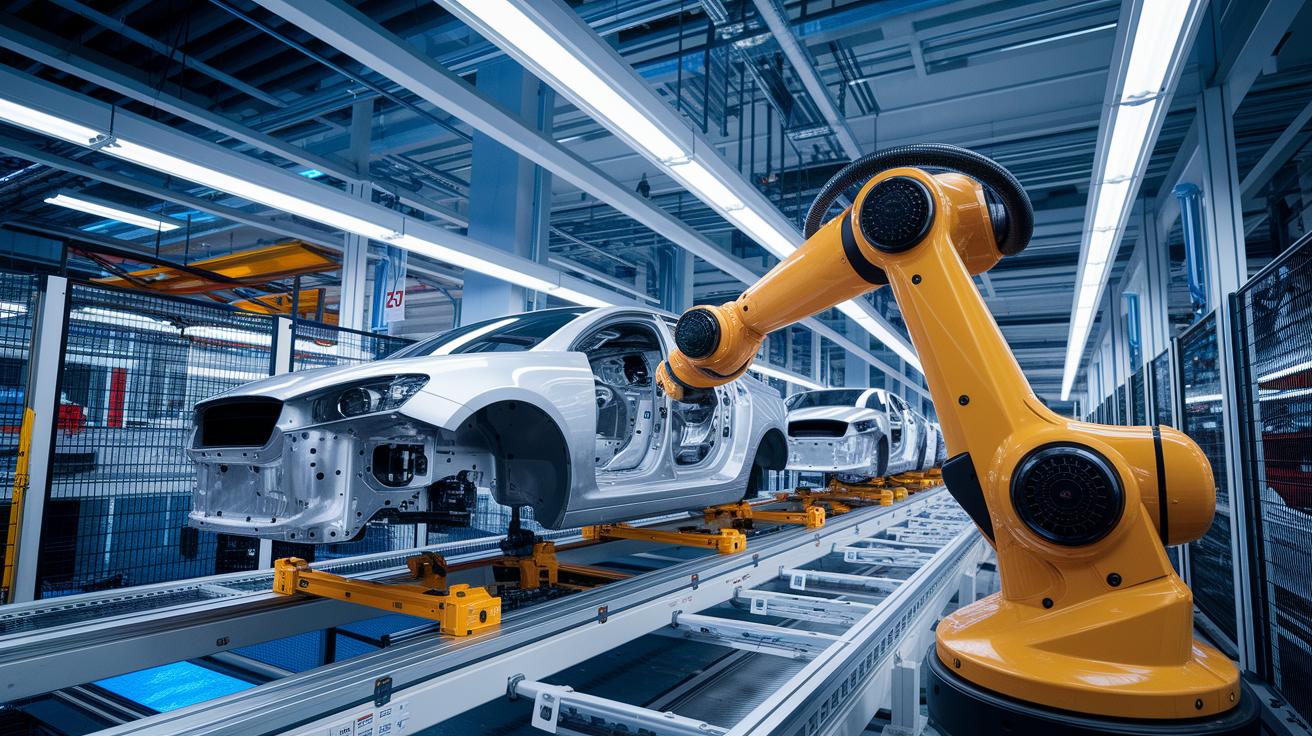
E-commerce is booming and digital services are connecting markets in smarter ways. Companies are updating how they make and move goods thanks to new manufacturing methods and automation, imagine putting a modern engine in an old car for a fresh, quick ride.
After the pandemic, both businesses and governments have started to focus on being flexible when unexpected bumps come along. Supply chains now mean having more suppliers and smart risk tools, so they can absorb sudden shocks. Many companies are ramping up training to help their teams keep up with fast-changing markets, while governments are funding research into flexible production. It’s a smart move that turns challenges into chances for growth.
Looking ahead, reports say that better policy coordination will open up services and boost cross-border tech investments. We’re seeing a move toward tighter digital integration and more creative ways to add value. Ultimately, these new strategies will help drive global economic growth and make trade stronger around the world.
Final Words
In the action, this article explored how economic globalisation has evolved, from early trade networks to modern free market expansion.
It examined drivers like trade liberalisation and technological advances, along with effects on both job creation and job losses.
The discussion highlighted policy challenges and ethical trade concerns while noting how digital trends propel value chain innovation.
Positive shifts signal promising opportunities for further cross-border commerce and global integration benefits.
There’s hope on the horizon as communities and businesses adapt and thrive together.
FAQ
What is economic globalization and can you provide an example?
The term economic globalization means the process where countries connect through trade, capital, people, and information. For example, multinational companies moving production overseas to cut costs is a clear instance.
What is political globalization?
The term political globalization means the spread and influence of government policies and institutions across borders, which encourages international cooperation and shared political practices.
What is cultural globalization?
The term cultural globalization means the worldwide sharing of ideas, media, and traditions that blend global influences with local customs, often shaping shared cultural trends.
What is social globalization?
The term social globalization means the expansion of social connections and communication networks globally, influencing lifestyles, values, and everyday social interactions across different communities.
Where can I find PDF documents on economic globalization?
The term economic globalization PDF indicates you can check academic or government websites, where downloadable studies and detailed reports on the topic are often available.
Where can I access a PowerPoint presentation on economic globalization?
The term economic globalization PPT refers to PowerPoint presentations available from educational institutions or trade organizations, offering visual overviews and case studies on the subject.
What are the types of globalization?
The phrase types of globalization covers economic, political, cultural, and social globalization, each illustrating unique ways nations and communities interact and share ideas on a global scale.
Is economic globalization good or bad?
The question of whether economic globalization is good or bad means its impacts are mixed. It improves market access and efficiency but also leads to job shifts and income disparities, fueling ongoing debates.


