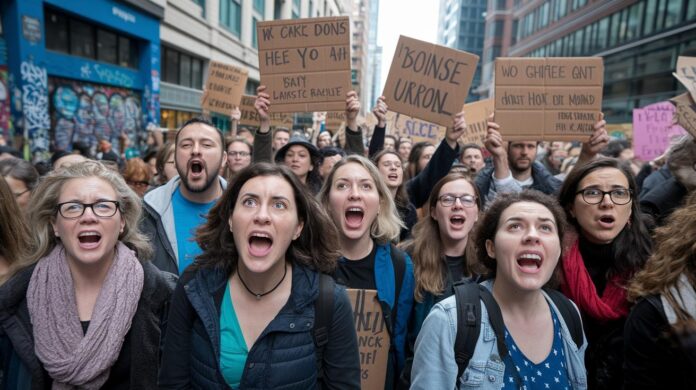
Have you ever wondered if one sudden change could shake an old government to its core? Political revolutions aren’t just messy protests. They are well-planned moves to swap out old systems for fresh ideas that fit our time, like trading in an old record for a new hit.
Today, we’re diving into what sparks these revolutions. We’ll uncover where they come from, sometimes from unexpected shifts in the heavens or sudden human actions, and show you how they reshape our world.
Ever noticed how one bold idea can change everything? Stick with us as we explore the power of change in our lives.
Definition of Political Revolution: Bold Clarity
A political revolution happens when a government or society's old way of doing things is completely changed. It means that people come together in an organized way to replace outdated systems with new ones that better meet today's needs. It’s like hitting the reset button on how our society runs.
Originally, the word "revolution" described the movement of stars and planets, a full circle back to where it all began. For instance, imagine saying, "Before it meant political change, revolution meant the way celestial bodies moved back to their starting point." Over time, that idea shifted to a symbol for major changes on earth. Now, when we speak of a revolution, we’re talking about planned, collective actions that drive big changes in society and government, beyond just the idea of things coming full circle.
Today’s revolutions are all about replacing old ideas with new visions for the future. They usually gain strong, organized support instead of just being spontaneous protests. This kind of change doesn’t only switch up policies, it alters beliefs and power structures too. Researchers note that these shifts are powered by both grassroots efforts and careful planning, ensuring that old institutions step aside for a reimagined set of social and political values.
Historical Evolution of the Political Revolution Concept

Back in 1393, the word revolution was all about the steady dance of the stars and planets. It meant the full circle that sent everything back to where it started.
Later, during the Enlightenment, thinkers began using revolution to talk about changes in human life. They pictured it as a way to wipe the slate clean, letting go of old systems for a fresh start. Think of it like how you might compare the turning of the sky to a complete shift in ideas. By the late 1700s, writings showed revolution as a well-thought-out plan to rebuild society, not just a natural cycle.
Today, modern political thinkers have deepened this idea by looking at how social, economic, and political forces weave together. They see revolutions as big shifts that come from both everyday anger and smart, planned changes in belief. This shift in meaning shows how our understanding has grown, moving from lunar cycles to a focus on human strength and the power to choose a better way of living.
Key Characteristics of Political Revolution
Political revolutions shine because they're powered by everyday people coming together for real change. They aren’t random or spontaneous – they are carefully planned and organized with a clear purpose. People band together when issues like money troubles, unfair treatment, or strict government controls pile up, and they feel the old ways just aren’t cutting it anymore.
- Mass mobilization seeking regime change
- Ideological vision for new social order
- Overthrow of existing institutions
- Structured organization and leadership
- Broad social and economic grievances
Every one of these points lays the groundwork for big shifts in society. When a diverse crowd of people stands together, they pack a punch that can really challenge long-held power. Their shared vision of a fairer world directs the entire effort, ensuring that changes run deep rather than only scratching the surface. And with strong, organized leadership guiding the way, it’s easy to see why such movements capture the hearts and minds of so many. It’s a mix of well-coordinated action and widespread discontent that can truly overhaul a system and steer society in a fresh new direction.
Major Historical Examples of Political Revolution

Revolutionary events have forever changed the way nations are governed. These historic moments show how a sudden shift in power can completely reshape society. They remind us that when people come together to challenge old systems, a fresh start is possible.
| Revolution | Date | Outcome |
|---|---|---|
| American Revolution | 1776 | Establishment of a republic in the United States |
| French Revolution | 1789 | End of the monarchy and creation of a republic |
| Russian Revolution | 1917 | Birth of the Soviet state |
Each of these moments began with widespread public action aimed at dismantling an old way of ruling. For instance, the American Revolution clearly marked a move from being colonies to becoming a self-governing nation. The French Revolution broke centuries of monarchical rule, introducing a system where rights mattered. And in Russia, the overthrow of imperial power led to a new form of government centered on state control.
Isn’t it fascinating how collective action and bold ideas have the power to transform entire nations? These examples remind us that big changes often start with ordinary people daring to imagine a new future.
Impacts of Political Revolution
Political revolutions shake things up. They change long-held systems and even everyday life. When a revolution happens, communities often face big shifts in how they live, work, and get by. New methods of leading, fresh ideas for working together, and a strong push for fairness in government all take center stage. For example, in some cities a revolution led to better services and a clearer focus on people’s rights. It’s amazing how one big change can touch everything from schools to health care and help build trust between people and government.
Soon after these social shifts, legal rules and government setups also change. Revolutionary movements usually bring quick changes like new justice rules and updates to the country’s main law. Laws get rewritten to match fresh values, and new ways to keep leaders accountable appear fast. Often, changes to the constitution help lock in these new ideas so that the new system lasts. This legal overhaul turns the dream of a fresh political order into real, clear rules that steer the nation forward.
Political Revolution versus Coups and Reforms
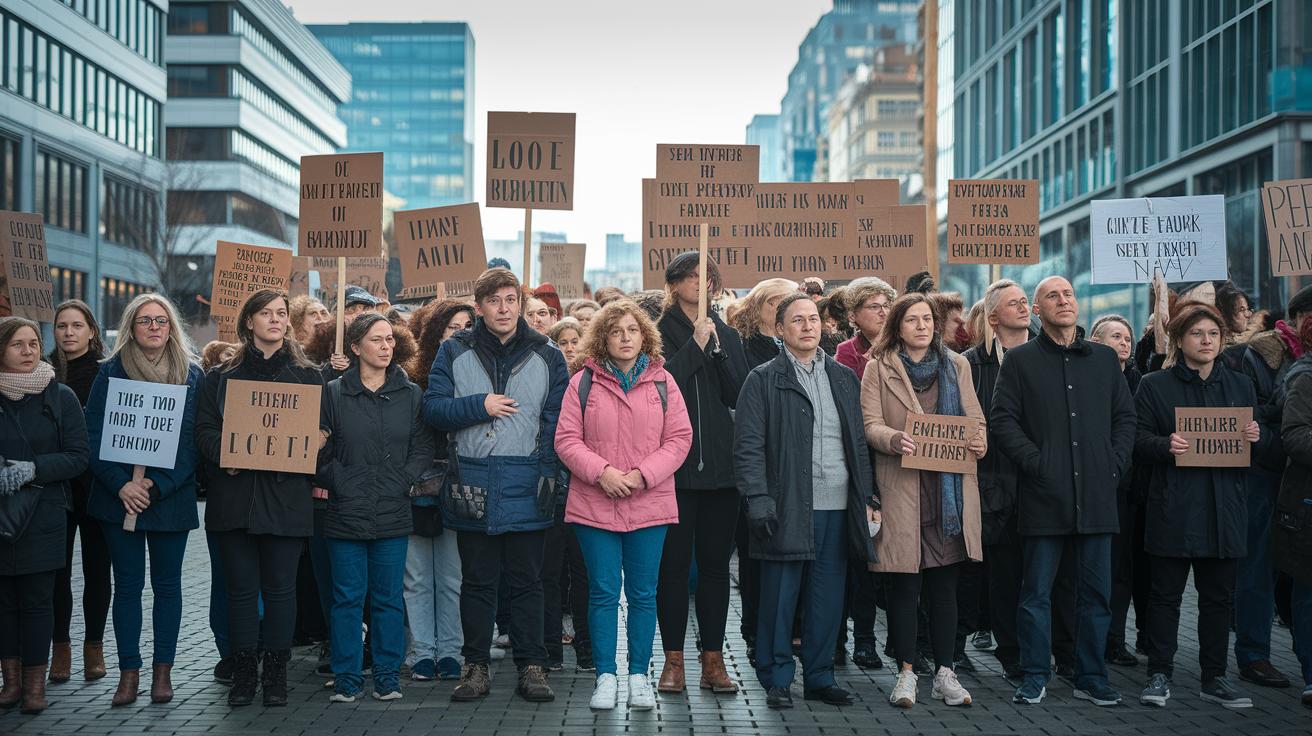
People often confuse revolutions with coups or reforms, thinking they all bring about change in the same way. In truth, the reasons, scale, and methods behind each are very different. Revolutions are driven by the mass of people looking to completely change the system, rather than just swapping leaders or tweaking policies.
- Actor scale: a movement of many versus a secretive plan by a few
- Scope of change: a complete system overhaul versus small policy fixes
- Ideological shift: building something new versus keeping most things the same
Knowing these differences is key when we look at political change. Coups are usually the work of a small group who take power quickly without involving the public. Reforms, on the other hand, slowly change the system from within. Meanwhile, revolutions gather large groups of people who demand a total transformation of political, social, and economic life. Have you ever noticed how such collective energy can reshape society? Understanding these distinctions helps us see the true impact of each event, ensuring that historians and observers don’t mistake a minor tweak for a full-blown change in how society works.
Final Words
In the action, the article broke down the definition of political revolution and traced its long journey from an astronomical term to a descriptor for radical shifts in government and society.
We walked through key traits like mass mobilization and ideological reordering while highlighting major events shaping our past. The discussion also set apart these movements from coups and reforms. This balanced overview leaves us with a clear picture and a hopeful outlook for nurturing thoughtful change.
FAQ
What is the definition of political revolution?
The definition of political revolution is a process where an existing government or social order is overthrown and replaced with a new system, introducing radical changes in leadership, laws, and ideology.
What are examples of political revolutions?
Political revolution examples include the American Revolution in 1776, the French Revolution in 1789, and the Russian Revolution in 1917, each reshaping government structures and societal norms.
What are the key characteristics of a political revolution?
Political revolution characteristics involve mass mobilization, an ideological vision for a new order, the overthrow of established institutions, organized leadership, and widespread social and economic discontent.
What is the definition of a social revolution?
The definition of social revolution explains a significant change in societal structures and cultural norms, often transforming social relations and everyday life without necessarily replacing the government.
What does political revolution in sociology mean?
Political revolution in sociology examines how large-scale societal changes, driven by social inequality and collective action, transform political power and reshape communities and governance.
What is a political revolution synonym?
A political revolution synonym can be uprising, revolt, or insurrection, each highlighting a rapid and radical shift in power within a political system.
What is the political revolution cycle?
The political revolution cycle refers to phases such as pre-mobilization, active uprising, and post-revolution consolidation, outlining a predictable pattern of change in the political landscape.
How can I use political revolution in a sentence?
An example sentence is, “The political revolution ended centuries of autocratic rule by establishing a new government that mirrored the people’s demands for freedom and equality.”
Where can I find a Political Revolution PDF?
A Political Revolution PDF is available in academic databases or digital libraries that provide scholarly articles, historical analyses, and detailed documents about political change.
What is Political Revolution 50501?
Political Revolution 50501 appears to be a specific reference number associated with a document or resource on this topic; further details may be obtained by consulting the relevant academic or archival source.


