
Are we ready for a fast-changing car market? In 2023, 88 million vehicles hit the roads. Electric cars made up 12% of those sales, signaling a fresh push toward greener driving. Car makers are now rethinking how they design vehicles and use energy. Experts say that by 2027, electric vehicles could make up almost one-fifth of all sales.
It’s an exciting time. Imagine the hum of engines turning greener as technology and shifting consumer tastes lead the way. Today, we dive into these trends and explore how smart tech and everyday choices are driving the auto industry's next big chapter.
Key Automotive Market Trends: Current State and Forecast
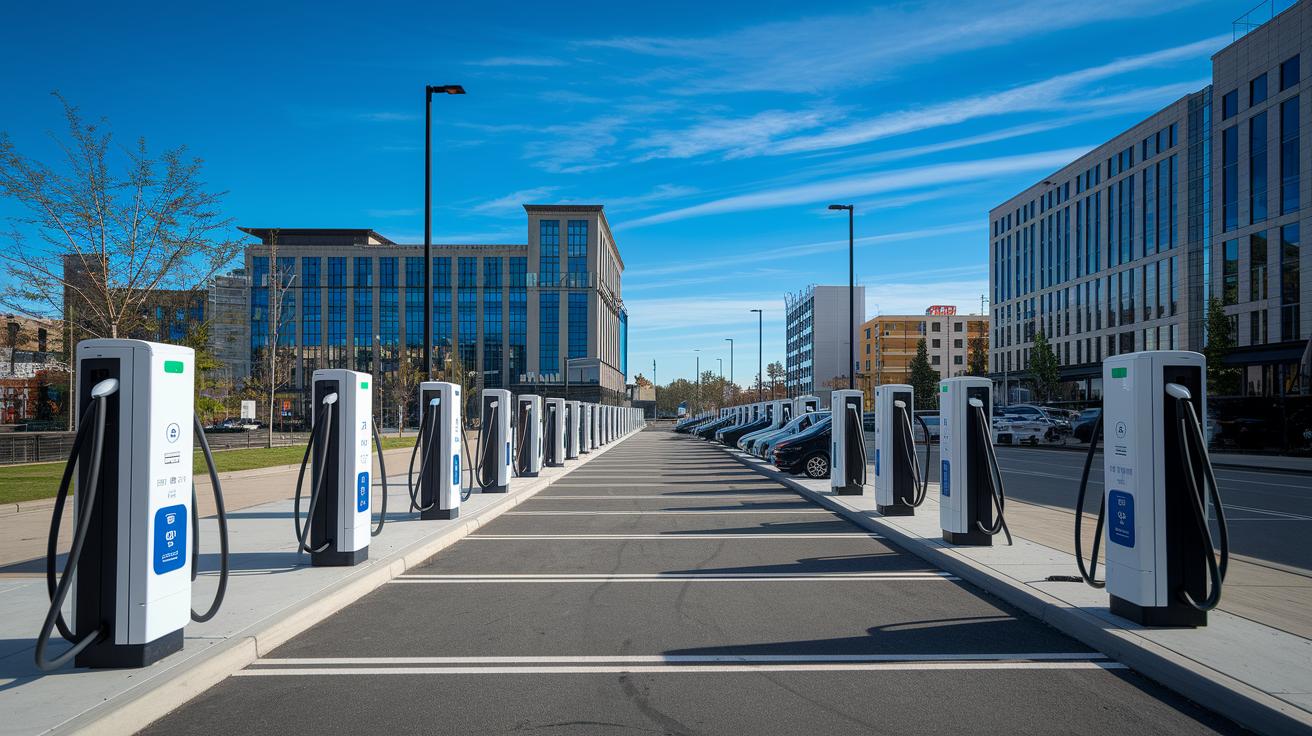
In 2023, the world rolled out roughly 88 million vehicles, with electric cars making up 12% of those sales. It’s a clear snapshot of a market on the brink of big changes. If you're curious about how we got these figures, take a look at our market trends analysis (https://brunews.com?p=257). This number sets the stage for the evolving mix of tech advances and shifting consumer tastes in the auto industry.
Looking ahead, experts expect global vehicle production to rise to 92 million units by 2025 and hit 95 million by 2027. The share of electric vehicles is predicted to jump to 20% by then. Meanwhile, U.S. vehicle sales should hover around 15 million units yearly through 2027, showing that while the global scene is buzzing, local demand remains steady.
| Year | Global Production (M units) | EV Share (%) |
|---|---|---|
| 2023 | 88 | 12 |
| 2025 | 92 | 16 |
| 2027 | 95 | 20 |
The growth is driven by a mix of changing customer interests and fast-paced tech improvements. Car makers are investing in electric powertrains (systems that power the car using electricity) and sleek digital interfaces to match our increasing demand for greener and more connected rides. They’re also working hard on boosting efficiency and nurturing in-house innovation to stay ahead despite any bumps along the way. All these factors are setting the scene for an exciting auto future.
Technology Drivers in Automotive Market Trends

Electric vehicle adoption still faces some big hurdles. Car makers are often held back by not having enough charging stations, high design expenses, and worries about battery life. And when it comes to self-driving cars, many problems such as who is liable if something goes wrong, keeping systems safe from hackers, and making sure everything really works add to the challenges. At the same time, ensuring secure connections in vehicles is tricky because of weak spots in the systems and clashes with local rules. All these issues make it clear that we need strong new ideas that can keep up with a fast-changing, tech-powered transport world.
- Electric Powertrain Innovations – New ways to boost power delivery for better energy use and performance.
- Autonomous Driving Systems – Ongoing work to improve sensors and the smart computer programs that help cars drive themselves safely.
- Advanced Driver-Assistance Systems (ADAS) – Upgrading safety features that watch over road conditions and react quickly.
- Connected Car Platforms – Bringing together digital systems to help cars talk easily with outside networks.
- In-Car Infotainment and HMI Progress – Improving the screens and controls so drivers and passengers get a smoother, more connected ride.
Additive manufacturing, sometimes known as 3D printing, is changing car production in a big way. Many players in the industry see its benefits at different stages:
| Production Stage | Industry Impact (%) |
|---|---|
| Mass Production | 40% |
| Early Prototyping & Design | 35% |
| Tooling Improvements | 21% |
| Vehicle Service | 4% |
This technology is steadily changing how cars are built. It streamlines production and helps companies stay agile in a world where tech is always on the move.
Consumer Behavior Influencing Automotive Market Trends

Online car buying is shaking up the old dealership model. Today, many people can research and buy a vehicle right from home. Imagine this: a buyer bypassed the entire showroom and sealed the deal with just a few online clicks. This new way of shopping is changing how buyers and sellers interact.
In the U.S., fewer cars on the lot and rising prices have pushed auto sales into a downturn. With limited options and higher costs, shoppers are focusing on getting the best value. Many customers now prefer to wait or explore other models when choices are scarce, prompting dealers to rethink how they manage their stock.
Car makers are pushing their ads online even more, with digital advertising budgets jumping by 15% in 2023. Meanwhile, flexible financing and leasing deals are becoming more popular as buyers look for ways to save money in the long run. One customer said, "I appreciate the ability to customize my financing plan to fit my budget," showing a clear trend toward more adaptable financing options.
Regulatory and Sustainability Trends in the Automotive Market

Countries like the EU, U.S., and China have set clear CO₂ targets for 2030. These goals are pushing car makers to embrace electric vehicle strategies. Automakers now have to rethink their fuel choices and move away from old internal combustion engines. This change shows that regulations are tightening and a cleaner future is on the horizon.
Governments are also using tax credits, rebates, and subsidies to encourage people to choose electric vehicles. These incentives help guide buyers toward cleaner options. It’s pretty interesting how government action can steer the market and support eco-friendly choices.
Automakers are investing in new designs and sustainable materials to reduce emissions throughout a car’s life. They’re even using renewable energy in production and reimagining car parts to meet tougher emissions standards. Meanwhile, policies are pushing for a 50% expansion in charging networks by 2027, ensuring that electric vehicles have the support they need. This blend of innovative design and better infrastructure is shaping a greener automotive future.
Manufacturing and Supply Chain Shifts in Automotive Market Trends

Car makers are now choosing to handle design work on their own instead of relying on outside help. They’re focusing on building electric and connected cars by forming dedicated teams to work on electric powertrains and digital features. This in-house approach helps them get to new vehicle technologies faster and with fewer delays, and it sparks fresh innovation.
A big challenge has been the shortage of semiconductors, which has shown just how fragile some supply chains can be. To tackle this, companies are spreading their bets by working with more suppliers. They’re also spending more on research and development as well as 3D printing. These tools let them create and adjust parts quickly, reduce wait times, and improve the design and assembly of vehicles.
Even the way cars get serviced is changing. Manufacturers are now bundling regular check-ups with software updates to offer a more complete service. This not only keeps cars running well over time but also opens up new ways to earn revenue while making sure repairs and upgrades stay in line with the latest technology.
automotive market trends Spark Bold Future

New tech players are shaking up the automotive scene. Big companies and fresh startups are joining forces with classic car makers to reimagine vehicle design and services. This team-up is creating a lot of excitement as everyone works to upgrade the way cars are made and used. Investors are taking notice too, backing a new wave of smart mobility and integrated services that could change how we travel.
New Entrants from Tech Industry
Tech giants and emerging startups are quickly entering the car market. They use their deep tech expertise (that is, using advanced technology effectively) to build innovative vehicles with digital features. This fresh competition pushes traditional manufacturers to rethink their old ways, sparking new ideas and strategies that keep the industry lively.
Mobility-as-a-Service and Shared Models
More and more automakers are trying out new ownership and usage models. Many are developing systems that let people share rides or rent cars on flexible terms. These shared models give families and commuters a chance to enjoy the latest car technology without the steep costs of buying a vehicle outright. It makes getting around both easier and more affordable.
Data Monetization and Strategic Partnerships
Car makers are also eyeing the value of the data their vehicles collect. Roughly 40% of them plan to turn this service data into a business asset by teaming up with tech firms or other third-party companies. This move is all about creating a connected ecosystem where information flows freely, leading to smarter services and a stronger competitive edge.
Regional Dynamics in Global Automotive Market Trends

In Asia, electric vehicles are really picking up steam. In 2023, both China and India enjoyed a 20% jump in EV sales compared to last year. It’s clear that many folks are eager for cleaner, greener rides. This boost has local companies ramping up their production and coming up with fresh ideas to meet the growing demand.
Over in Europe, car makers are opting for hybrid powertrains to stick to strict emission rules. Shoppers and regulators alike are pushing for cars that combine traditional engines with electric power. This mix is becoming crucial for keeping up with the region’s long-held environmental promises.
In North America, signs of steady recovery are in the air. U.S. auto sales are leveling out at about 15 million units a year. Buyers here value cars that offer modern tech along with rock-solid reliability, which is strengthening trust in America’s car makers.
Latin America is slowly finding its rhythm, with more people looking for budget-friendly mobility options. Even though the market isn’t as developed as in other parts of the world, trends hint at a growing interest in vehicles that offer efficiency without the high price tag. For more details on these trends, check out what are market trends.
Final Words
In the action of our analysis, we traced current production numbers and rising electric vehicle shares, then moved through forecast figures and key growth drivers. We saw how shifts in consumer behavior, technology impacts, and regulatory efforts are molding the auto industry.
The insights provide a clear view of automotive market trends and point to a promising future. The progress in production and innovation signals a path of steady growth and positive change ahead.
FAQ
What are the trends in the automotive industry?
The automotive industry trends show a rapid move toward electric vehicles, increased connectivity, digital buying channels, and evolving manufacturing practices driven by consumer needs and tighter regulations.
What is the next big thing in automotive?
The next big thing in automotive involves combining advanced electric powertrains with smart mobility solutions, such as self-driving tech and connected car platforms, which are changing the way we use vehicles.
What is the trend in the US car market?
The US car market trend centers on stable production paired with rising electric vehicle adoption, digital sales experiences, and flexible financing options, all reflecting changing consumer preferences and market recovery.
How do global automotive industry statistics reflect market changes?
Global automotive statistics reveal growing vehicle output and a rising share of electric vehicles while indicating evolving market shares by brand, all shaped by new technology and changing regulatory landscapes.
Where can I find detailed automotive industry reports?
Detailed automotive industry reports in PDF format are available from research platforms and official publications; they offer comprehensive data on market trends, production forecasts, and technology impacts.
What are some future trends in the automobile industry?
Future trends in the automobile industry include increased digitalization, faster electric vehicle uptake, smarter driver assistance, and enhanced mobility services that work together to create a more connected transport system.


