
Have you ever thought about how one policy could change lives? DACA started in 2012 and gave young immigrants a real chance for a safer future. It paused deportations and opened doors for work and study, almost like a lifeline during unpredictable times.
Even though legal challenges still shake our trust in the system, DACA shines with hope. It shows that caring protection can mix with the need to enforce the law. This blend sparks fresh ideas and lively debates about immigration today.
Understanding the DACA Policy Framework
When DACA was launched in 2012, it not only provided protection for hundreds of thousands of young immigrants but also sparked a big conversation about U.S. policy. This measure lets kids who were brought here request a delay in deportation, meaning immigration checks are put on hold so they can live, work, and study without constant fear.
So, what exactly is DACA? It stands for Deferred Action for Childhood Arrivals. In simple terms, if you were brought here as a child, you might be able to ask for deferred action, which stops immediate removal and lets you obtain work permits. More than 834,000 young people have used this chance to build their futures while pursuing education and careers.
The process is straightforward. Eligible individuals apply for deferred action and work permits, and many continue to renew their protection even as the courts debate the program's future. For example, even when some legal rulings cast doubt on DACA, temporary court orders, like those from the Fifth Circuit, have allowed renewals to keep going while cases are worked out.
DACA means more than just a break from deportation. It acts as a vital safety net, providing access to work and education that many depend on. In times of shifting political winds, this policy helps create a bit of stability for those who call this country home.
In truth, DACA is a key part of current immigration debates. It shows us how policies can balance firm law enforcement with compassionate protection for people who have grown up here. Isn’t it striking how one program can protect lives while also fueling a broader discussion on what it means to belong?
History and Evolution of the DACA Policy

DACA first saw the light of day on June 15, 2012, when an executive memo rolled it out. This idea took root long before that, back when talks of the DREAM Act started around 2001. It was meant as a temporary break for young immigrants who were brought here as kids, giving them a safe space while lawmakers searched for a more lasting fix.
The original memo was a game changer. It set up rules that later helped guide the Department of Homeland Security as they worked on new versions. Think of it like the pilot episode of your favorite series – here we get to meet the characters, and later episodes build on that foundation, sometimes after a few bumps along the way.
Over time, DACA evolved as a balancing act between offering quick help and dreaming of a complete, long-lasting solution. Each update along the way marks an important moment on a timeline that stretches from early hopes to today's legal debates. In many ways, DACA remains a temporary patch that has touched the lives of countless individuals, even as its final shape still stirs up political and legal discussions.
DACA Policy: Bright Legal Outlook
Applicants looking for DACA protection need to meet a few clear rules that show they have deep roots in the United States. These requirements are meant to prove that the applicant has built a life here and deserves deferred action.
• You must have come to the U.S. before your 16th birthday and before June 15, 2007. Think of it like starting your life here early, long before things changed.
• You have to be under 31 years old on June 15, 2012. In other words, if you were 30 or younger on that day, you meet this age requirement.
• You must have lived in the United States continuously since June 15, 2007. This shows your life has been steadily rooted in this country, much like the constant beat of a drum.
• To meet the education or service rule, you need to be in school, have graduated, earned a GED, or served honorably as a veteran. These options prove you’ve been active and contributing.
• You should have a clean record with no felony convictions, significant misdemeanors, or repeated minor offenses. A clear record reassures everyone that you’re not a legal risk.
• You must have been physically present in the United States on June 15, 2012 and at the time you apply. This confirms you have a consistent connection with the country.
• Finally, you need to show you had no lawful immigration status on June 15, 2012. This point highlights why you need DACA protection in the first place.
Each rule works together to make sure that DACA helps those who truly grew up and made a positive impact in their communities here.
Application and Renewal Process under the DACA Policy

When you apply for DACA, there are a few clear steps to follow. First, you need to complete three forms: Form I-821D (for Deferred Action review), Form I-765 (to request work authorization), and Form I-765WS (which is a worksheet to support your work-study details). These forms help USCIS check if you meet the requirements for deferred action.
You’ll also have to pay the current USCIS filing fee and a biometric fee. Fees can change, so it’s wise to double-check the latest fee schedule before you apply, kind of like checking your phone’s app for the current price before you buy something.
Renewing your DACA follows a similar process, but with a little twist on timing. You can send in your renewal application as early as 150 days before your current protection expires. Thanks to a stay ordered by the Fourth Circuit, even when legal issues are still in play, you can renew without any breaks in protection.
Planning ahead is key. Recent reports show processing times usually range between 5 to 8 months, depending on USCIS workloads and any ongoing legal challenges. To help you figure out the best time to apply, a DACA renewal calculator was introduced on October 27, 2020. It’s like having a friendly tool that guides you to the right moment to submit your paperwork.
For a quick overview, here’s a summary of the few main steps:
| Step | Description |
|---|---|
| 1 | Fill out Forms I-821D, I-765, and I-765WS |
| 2 | Check and pay the current USCIS and biometric fees |
| 3 | Submit your renewal application up to 150 days before your protection ends |
| 4 | Use the DACA renewal calculator for timing help |
Following these steps should give you a clear idea of how to navigate both the application and renewal process. It’s all about staying organized and keeping track of important details so you can move forward with confidence.
Legal Challenges and Judicial Review of the DACA Policy
Recent court decisions show that DACA is in a tough spot. On January 17, 2025, the Fifth Circuit Court of Appeals ruled against DACA. Still, they allowed current recipients to keep renewing their protections due to a stay. Courts in Texas and New York also issued orders so new applications and renewals can keep moving forward. All these rulings mean the program keeps running, but many wonder how long it can really last.
Key Appellate Decisions
Key decisions from higher courts have greatly influenced DACA’s current state. The Fifth Circuit’s choice highlights a careful balance between legal rules and the need to protect Dreamers. In Texas and New York, judges made sure applications keep getting processed despite ongoing legal battles. One early case, Batalla Vidal v. Wolf, was one of the first to defend the program, setting the stage for later rulings. Courts have warned that any sudden changes to the policy could hurt more than 500,000 recipients who count on it for work permission and protection from deportation.
Supreme Court Considerations
Looking to the future, the U.S. Supreme Court might review DACA in the next two years. When they do, they’ll tackle big questions about the program’s legal footing and how it’s run. Their decision could support the current system, change it, or even end it. More than 450 leaders have submitted amicus briefs, showing strong support for DACA. This upcoming review highlights the tricky balance between executive decisions and judicial checks, leaving the fate of Dreamers in the balance.
Political Debates and Proposed Reforms for the DACA Policy

Congress hasn’t passed a permanent DREAM Act or similar law in more than a decade. Lawmakers keep debating different solutions while facing growing pressure from many advocacy groups. Many in local communities are calling for a steady, permanent status that would offer true security for recipients. They believe that a clear, legal path to citizenship would bring stability and help boost the economy. For instance, groups like Home Is Here argue that permanent protection strengthens community ties and helps families plan for a better future.
Opinions on the best approach differ. Some lawmakers suggest sweeping reforms that promise long-term protection, while others favor smaller, incremental fixes to certain parts of the program. There’s even chatter about tying these changes to broader immigration efforts, which might include adjustments to work permits and other benefits.
Even former President Trump hinted at having some flexibility with citizenship paths for Dreamers, pointing to the idea that the executive branch could offer a workaround, though lasting change still depends on Congress. Polls show widespread support for moving past temporary fixes, highlighting why many feel urgent about this issue.
Key highlights in the debate include:
- A push for a permanent legislative route to citizenship.
- Ideas for a comprehensive reform package that blends DACA changes with wider immigration measures.
- Grassroots appeals for stability and economic benefits for affected communities.
- Ongoing bipartisan talks that keep immigration reform in the spotlight.
Impact of the DACA Policy on Dreamers and U.S. Communities
DACA has made a huge difference for over 834,000 Dreamers. It lets them work legally and eases the constant worry about deportation. Thanks to this policy, many young people can build steady lives, chase higher education, and gain new skills, kind of like a young musician practicing every day to perfect a tune.
Research shows these individuals add billions to the economy every year and pay millions in taxes. Their efforts not only help local businesses but also improve public services that benefit everyone.
Communities across the country are feeling the positive impact too. Many Dreamers report better mental health, more involvement in local issues, and higher school achievements. One Dreamer shared, "Securing work authorization helped me start a small business that now employs others in my neighborhood." Stories like this show how DACA supports individual growth and lifts whole communities.
All in all, DACA plays a key role in boosting economic strength and building a closer, healthier society in the U.S.
Future Outlook and Potential Changes to the DACA Policy
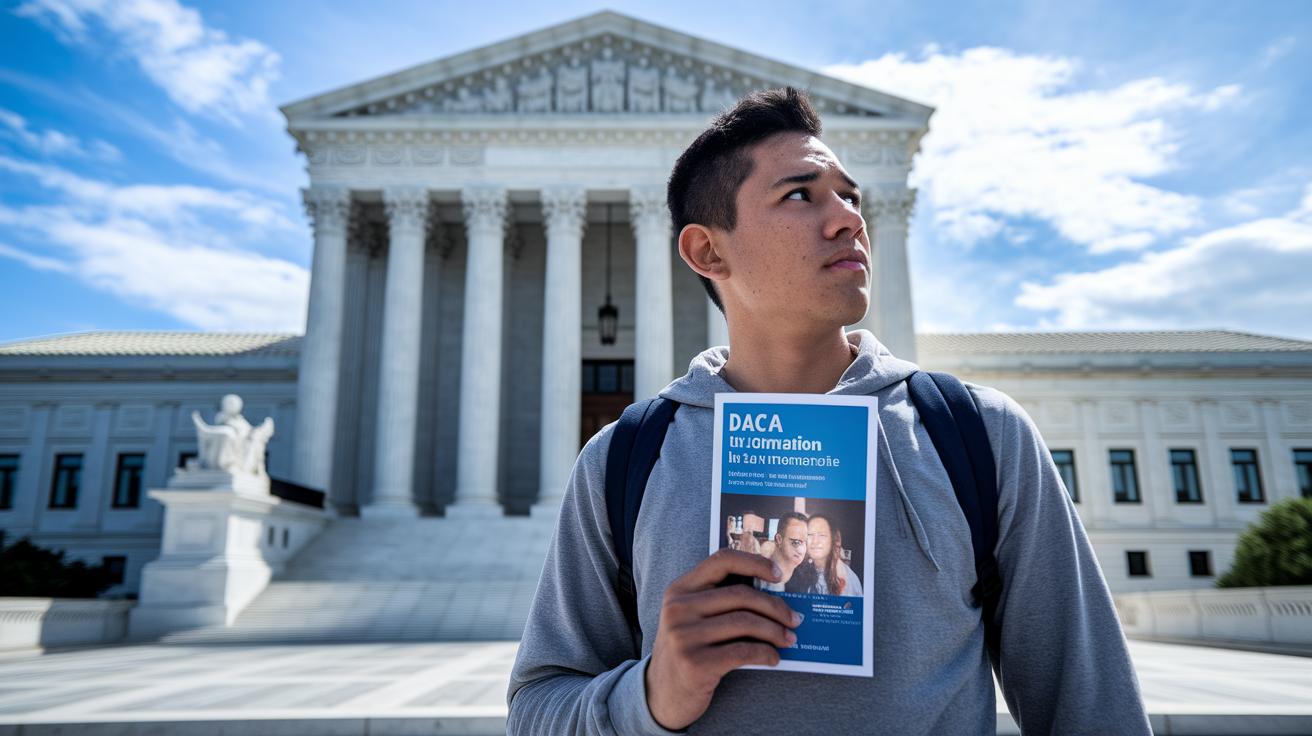
We've been keeping a sharp eye on the Supreme Court review (see our Legal Challenges and Judicial Review section), and it still takes center stage. Recent legal insights signal two potential paths: one that could protect the heart of DACA or another that might significantly alter its framework. Think about it like this: before Marie Curie became a household name, she once carried test tubes of radioactive material in her pockets, unaware of the dangers that would later shape her impressive legacy.
At the same time, the Department of Homeland Security is rethinking how the program works. They’re looking at refining the eligibility rules and adding a few administrative tweaks, all while gathering feedback from the public. These changes might redefine how Dreamers qualify for benefits and connect with some of the earlier administrative observations we’ve discussed.
Lawmakers, too, are weighing in with proposals that fit into broader immigration reform plans, as noted in our Political Debates and Proposed Reforms section. What’s unique here is a push toward short-term measures that could smooth the transition for those affected. By blending these judicial and administrative updates, we give you a clear, focused picture of DACA’s evolving legal and policy landscape.
Final Words
In the action, our blog broke down how the daca policy operates, from its roots and evolving eligibility to the practical steps of application and renewal. We highlighted legal challenges and debates that continue to shape the program. The discussion also stressed the positive impact on individuals and communities. With ongoing reforms and hopeful legal clarity, there’s a strong path ahead for enhancing protections. The future of the daca policy remains a key topic to watch, promising improved outcomes for those it serves.
FAQ
What is DACA?
The DACA stands for Deferred Action for Childhood Arrivals. It is a program that gives eligible individuals temporary relief from deportation and permits work authorization while they await further immigration solutions.
Who is eligible for DACA?
Those eligible for DACA are individuals brought to the U.S. as children who arrived before their 16th birthday, have lived continuously in the U.S., and meet educational or military service requirements without serious criminal records.
What is DACA status?
DACA status means recipients benefit from deferred action, which is temporary protection from deportation along with the legal permission to work in the U.S., subject to renewal every two years as long as criteria remain met.
How does DACA renewal work?
DACA renewal requires submitting updated forms along with fees and biometrics before the current period expires. Renewals are processed under court-issued stays while legal challenges continue to affect the policy.
What is the DACA policy?
The DACA policy, established in 2012, allows eligible individuals who arrived as children to apply for deferred action. This temporary measure protects them from deportation and grants work authorization as long as legal proceedings continue.
What is the new rule for DACA?
The new rule for DACA involves proposed updates by immigration officials to revise eligibility criteria and processing steps. These changes are currently being reviewed and commented on as part of ongoing legal and administrative evaluations.
What is going on with DACA right now?
Currently, DACA is under continued litigation with court stays permitting renewals. Legal, administrative, and legislative reviews are actively shaping its scope and the future protections it offers to recipients.
Will DACA be terminated in 2025?
Predictions about DACA’s termination in 2025 are uncertain due to active legal challenges and pending Supreme Court decisions. While current protections remain, its future depends on upcoming judicial and legislative outcomes.
How do political debates and figures like Trump impact DACA?
Political debates and statements by figures like Trump have influenced DACA discussions by shaping reform proposals and citizenship pathways. These debates continue to affect the program and its future adjustments.
Can DACA status lead to citizenship?
DACA status does not provide a direct path to citizenship. It offers temporary protection and work permission while recipients await broader immigration reforms that might eventually create a citizenship pathway.


