
Ever wonder if the way our government is set up really keeps our country on track? Imagine it like a puzzle, where every piece fits just right to complete the picture.
Our system splits power between state and federal levels and divides it among three branches: executive, legislative, and judicial. This design stops any one branch from becoming too powerful.
This setup not only protects our freedoms, but also makes sure that local voices are heard when big decisions are made. Keep reading to see how all these parts work together to shape our nation.
Fundamental Components of US Government Structure

In the United States, power is shared between the federal government and each state. The US Constitution sets national priorities while state constitutions let regions keep their local flair with unique traditions and rules. This mix means that local voices are heard alongside national ones, addressing both community needs and big-picture issues.
At the federal level, power is split into three branches that keep each other in check. The executive branch, led by the President, makes sure laws are put into action and runs national affairs. Meanwhile, the legislative branch, with the Senate and the House of Representatives, creates and passes laws that echo the many voices of the country. Then there’s the judicial branch, headed by the Supreme Court, which reviews laws to make sure they follow the Constitution. Each branch has its own clear job, yet they work together to run the nation smoothly.
This careful setup is built to protect our freedoms by stopping any one branch from taking over completely. For example, while the President can suggest policies, Congress has the power to change or even block those ideas, and the courts can knock down actions that don’t line up with the Constitution. It’s a smart arrangement that keeps the system balanced and accountable at every level.
us government structure: clear, smart organization
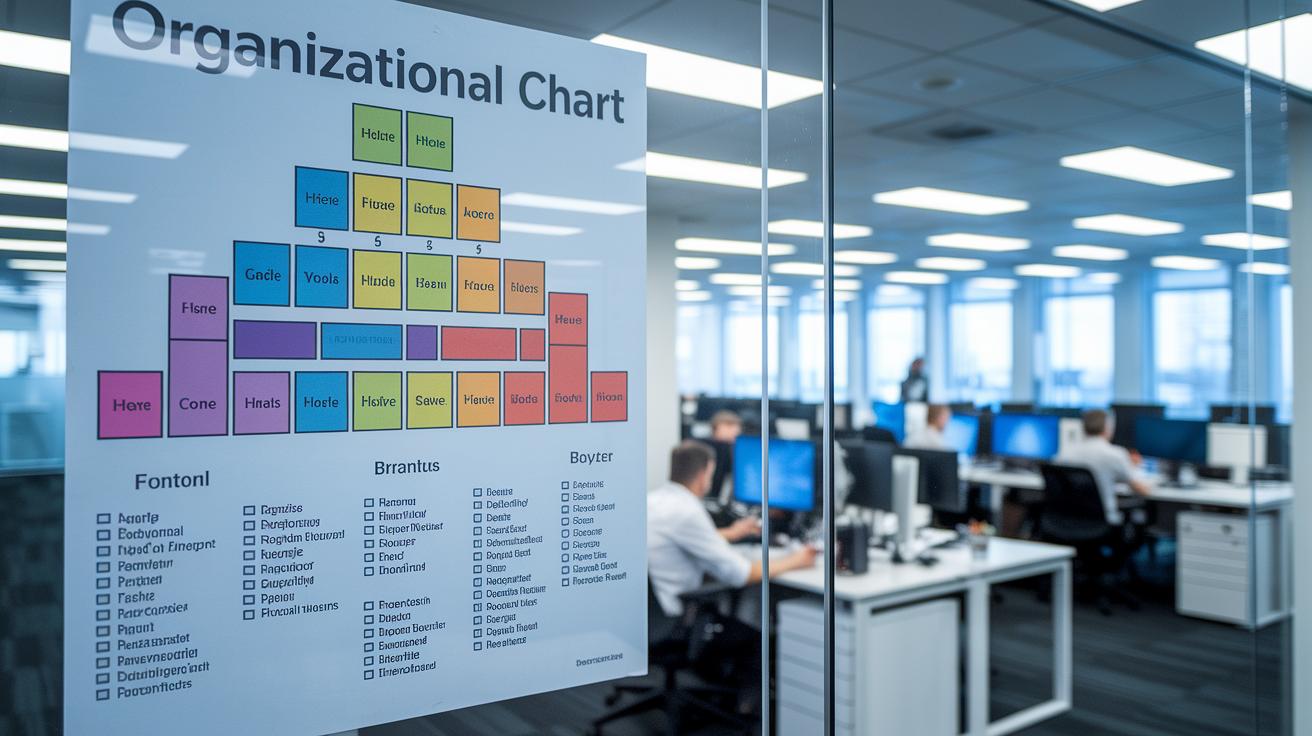
Imagine an organizational chart as a simple map that shows who’s in charge and how decisions flow from one level to another. It paints a clear picture of federal institutions and the way they connect, making it easier to see which bodies handle national tasks and which focus on local issues.
| Level | Major Institutions | Primary Functions |
|---|---|---|
| Federal Executive | President, Vice President, 15 Cabinet departments, independent agencies | Enforcing laws and managing national affairs |
| Federal Legislative | Bicameral Congress (Senate and House of Representatives) | Drafting laws, passing them, and representing the nation |
| Federal Judicial | Supreme Court, 13 Courts of Appeals, 94 district courts | Interpreting laws and ensuring justice |
| State & Local Governments | State legislatures, governors, counties, municipalities | Enforcing state laws and addressing local needs |
This layout shows the clear difference between a strong federal government that sets national policies and a network of state and local governments ready to tackle community-specific issues. For example, while major policies come from the top, local leaders concentrate on day-to-day services that directly touch our lives.
Historical Evolution and Constitutional Basis of US Government Structure

When the Articles of Confederation took effect in 1781, the United States relied on a single Congress to handle lawmaking, administration, and even some judicial duties. This all-in-one setup soon showed its limits as the nation grew. Early leaders quickly realized that a more balanced system was needed for a country that was becoming larger and more diverse.
To solve these problems, the Constitution was written and approved in 1789. It set up three separate branches of government, the legislative (lawmakers), executive (the President and his team), and judicial (the court system). The aim was to share power so that no one branch could take over completely. This new design fixed many of the issues with the old system and created a structure where every branch keeps the others in check.
Other major events helped shape this idea of separated powers. On July 4, 1776, the Declaration of Independence announced basic rights and the right to self-govern. In 1787, leaders met at the Constitutional Convention to plan a fresh blueprint for government. Then, the Bill of Rights, adopted on December 15, 1791, ensured that essential personal freedoms were protected. And in 1913, the Seventeenth Amendment allowed citizens to directly vote for their Senators, strengthening democratic participation. Together, these key milestones show a steady evolution toward a system designed to balance power and protect individual freedoms.
Executive Branch of US Government Structure: Presidential Powers and Constraints

The Constitution, under Article II, tells us that the executive branch is in charge of making sure federal laws are followed. The president is not just the head of state but also the chief executive. This means they can lead our military, negotiate treaties with other countries, and choose key figures like Cabinet members, judges, and ambassadors. Think of it as running a huge organization where every major decision can shape the nation’s future.
Each day, the president deals with issues that affect nearly every American. They might start the morning with briefings on national security and end the day discussing economic policies with top advisors. It’s a busy, ever-changing role that touches on everything from local problems to global challenges.
Even with all these powers, there are strong safeguards to keep the president’s authority in check. The Senate carefully reviews and confirms important appointments, making sure that the right people fill key roles like those in the Cabinet or on the federal bench. Congress also watches closely by using budget reviews and public hearings, almost like checkpoints in a long journey. And if the president goes too far, the Supreme Court can step in and rule against those actions. All these checks help keep power balanced and ensure decisions are made within the rules set by our government.
Legislative Branch of US Government Structure: Congress’s Composition and Lawmaking Processes

Congress is created under Article I of the Constitution and has two parts. The House of Representatives includes 435 members picked based on state population. They start revenue bills to make sure every vote counts. On the other hand, the Senate is made up of 100 senators, two from each state, for equal state representation. This structure balances the direct voice of the people with equal treatment for every state.
Inside Congress, making a law isn’t a simple snap-your-fingers process. It all begins in specialized committees that look at every detail, from taxes and spending to the bigger picture of how a law might affect our lives. Once a bill is drafted, it gets refined in committee discussions and subcommittee meetings. Then, it moves to the floor where lawmakers debate its merits and suggest changes. Sometimes, if the House and Senate pass different versions, a conference committee steps in to reconcile the differences. This careful process helps shape bills into laws that many can support before they reach the President.
Congress also keeps a close eye on the President’s power through its lawmaking role. When the President vetoes a bill, Congress can try to override that decision. Overriding a veto means getting two-thirds of both the House and Senate on board, making sure that only bills with strong support can become law even if the President isn’t on board.
Judicial Branch of US Government Structure: Supreme Court and Federal Court System

The Supreme Court is the top court in the country. It was created under Article III and includes nine justices who serve for life. Their long terms help keep them free from short-term political pressure, letting them interpret the law carefully. The Court can also use judicial review, meaning it can decide if laws or actions break the Constitution.
Below the Supreme Court are the Courts of Appeals and the district courts. There are 13 Courts of Appeals that review decisions from lower courts to ensure the law is applied fairly across the nation. In addition, 94 district courts handle civil and criminal cases at the trial level. These courts resolve disputes, explain laws, and protect individual rights in their communities. Even state courts follow a similar three-tier system, which shows how widespread this approach to justice is.
Judicial independence is a key part of the system. Federal judges enjoy life tenure, which means they don’t worry about losing their jobs over unpopular decisions. Judges can only be removed if they are impeached for serious misconduct. This structure keeps the courts insulated from outside influences, ensuring they serve as a reliable counterbalance to the other branches of government.
Federalism in US Government Structure: Balancing National, State, and Local Authority

The United States Constitution splits power between the central government and the states. The federal government handles big issues like defense, money (currency), and trade between states, which creates a stable national framework. Meanwhile, state governments look after everyday areas such as schools, policing, and local community matters. Think of it like each state having its own mini-government with its own rules, leaders, and courts that reflect local priorities.
State governments take this idea further by setting up their own branches in charge of community issues and public policies. They form legislatures, pick governors, and build courts to deal with things like public safety and education. This setup lets people have a clear say in decisions that impact their day-to-day lives. And here’s something neat: states can experiment with different policies suited to their communities, while still following the broader guidelines of federal law.
Local governments provide another important layer in this mix. With around 85,000 units including counties and cities, they manage tasks from road repairs to community services. Their work ensures that local needs are met, and they often team up with other government levels to resolve jurisdictional issues. Ever wondered how local politics change when electoral boundaries shift? This decentralized approach means that while big issues get handled nationally, local challenges receive the special attention they really deserve.
Checks and Balances in US Government Structure: Ensuring Power Equilibrium

We took out this section because it repeats what we already cover in the parts about the executive, legislative, and judicial branches.
Final Words
In the action of breaking down the us government structure, we traced its tripartite division of power and explored the clear split between federal and state responsibilities. The blog post walked through the roles of the executive, legislative, and judicial branches, along with their checks and balances. We also touched on how government history has shaped today’s institutions. This exploration leaves us with a clearer picture and optimism toward how these systems work together for a balanced, functional governance. Enjoy the insights!
FAQ
What is the structure of the U.S. government?
The U.S. government structure features two levels—federal and state. At the federal level, power is divided among three branches: legislative (makes laws), executive (carries out laws), and judicial (interprets laws).
How are the three branches of government organized and what are their functions?
The three branches work separately yet complement each other. The legislative branch writes laws, the executive branch enacts laws, and the judicial branch reviews laws to protect fairness.
What kind of government does the United States have under the Constitution?
The United States operates as a constitutional republic where power is shared between the federal government and states. The Constitution sets roles for each branch while maintaining democratic control.
What does a U.S. government chart or political system diagram show?
A U.S. government chart maps the chain of command and organizational hierarchy among federal institutions, highlighting the President, cabinet departments, Congress, and the independent judiciary.
What are the U.S. government departments, and how is the executive branch structured?
The executive branch features the President, Vice President, and cabinet departments that oversee areas like defense and commerce. Independent agencies work alongside to implement federal policies.
What is the chain of command in the U.S. government?
The U.S. chain of command starts with the President and Congress, then moves to cabinet heads and lower-level officials. This design spreads power to avoid concentration in any one group.
What are the four levels of government in America?
America’s government operates on four levels: federal, state, county, and municipal. Each level takes care of responsibilities from national issues to local community matters.


