Have you ever wondered how some countries go from modest beginnings to booming markets almost overnight? Rostow's theory lays out a simple path showing how economies evolve over time. Back during the Cold War, he provided a clear plan for moving away from strict systems. Even today, people still debate his ideas and use them to make big decisions. In this article, we'll walk through each step and show you how they all come together to drive modern growth and change.
Understanding Rostow’s Five Stages of Economic Growth

Rostow's idea lays out a clear roadmap for how economies grow over time. Back in the Cold War days, he offered this plan as a smart alternative to communist economic models. His 1960 book, Stages of Economic Growth: A Non-Communist Manifesto, set out a blueprint many leaders used to guide young markets toward modern development.
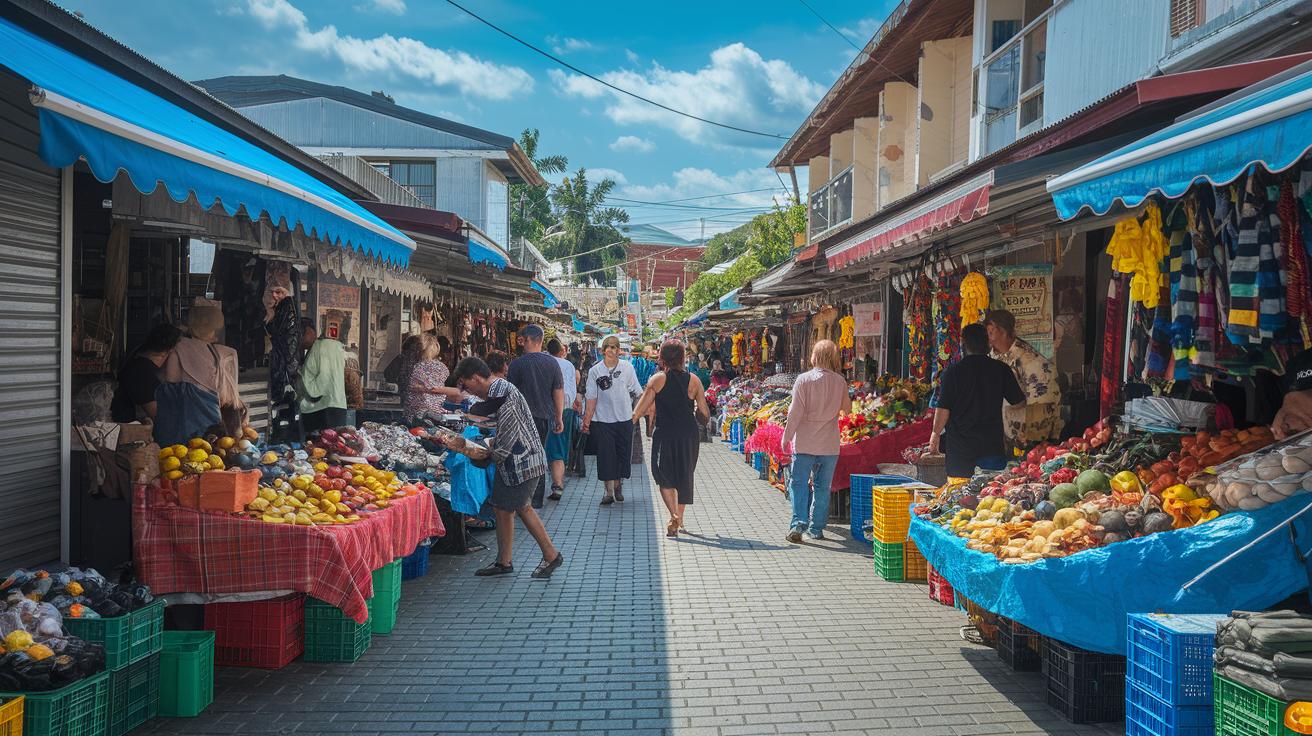
In simple terms, the model tracks a country’s progress from simple farming to a booming, industrial-based society with plenty of consumer choices. It all starts with the Traditional Society, where most folks rely on subsistence farming and basic tools. Next, the Preconditions for Take-Off stage sees early business efforts and small capital boosts begin to change the scene. Then comes the Take-Off phase, when manufacturing grows fast and cities expand rapidly. Soon after, during the Drive to Maturity, economies diversify, invest heavily in infrastructure, and start playing on the global stage. Finally, in the Age of High Mass Consumption, living standards rise, and consumer goods take center stage.
| Stage | Key Characteristics |
|---|---|
| Traditional Society | Simple farming, low-tech, limited trade |
| Preconditions for Take-Off | Early entrepreneurship, initial capital, improved agriculture, new technology |
| Take-Off | Rapid rise in manufacturing, urban growth, tech innovation |
| Drive to Maturity | Diversified economy, major infrastructure investments, global competitiveness |
| Age of High Mass Consumption | Enhanced living standards, increased focus on consumer goods and services |
This straightforward framework remains vital for understanding economic progress. Policymakers can use it to decide where to invest, whether in new technologies or infrastructure, all with the aim of boosting everyday living standards. It’s a reminder that even complex ideas can be broken down into easy-to-follow steps.
Traditional Society and Preconditions for Take-Off in Rostow’s Model
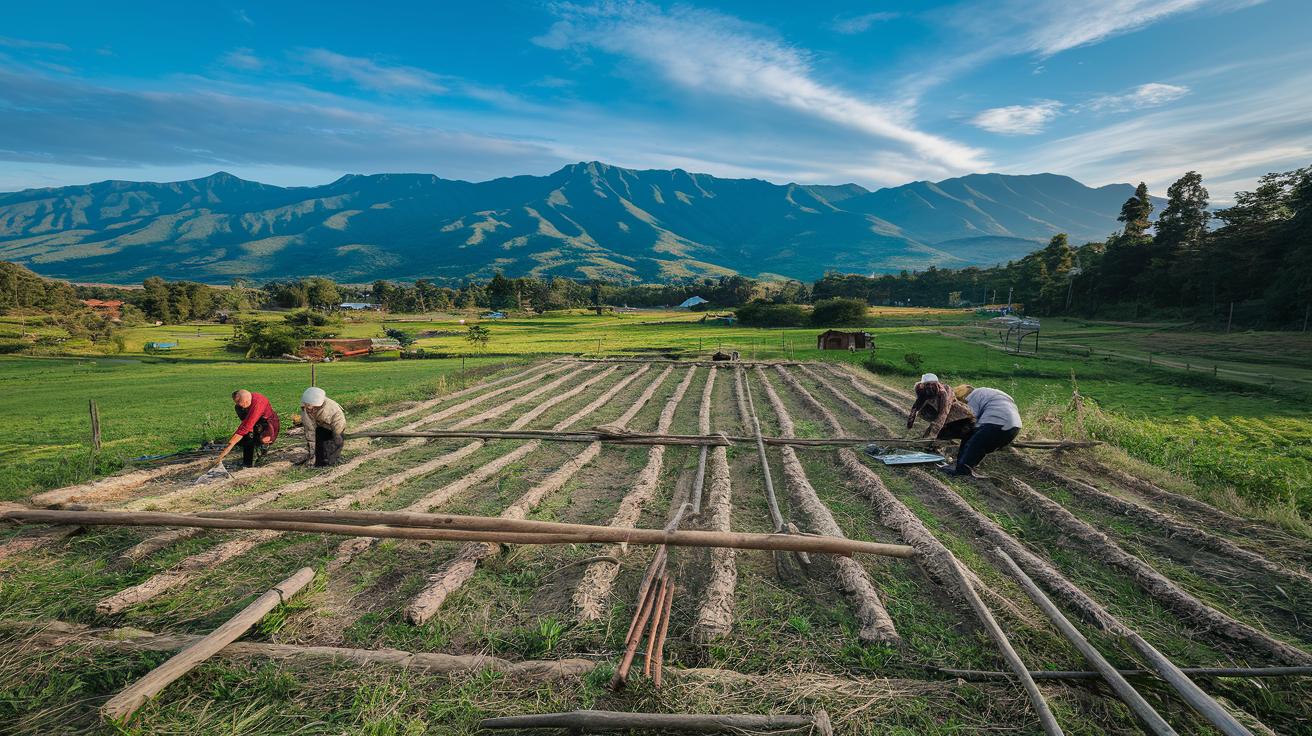
Traditional society was all about farming for survival. People grew enough food for themselves, and life hardly changed over time. If you’re curious about more details, you can check out our earlier discussion on this period.
Then things started to shift. The move toward Preconditions for Take-Off brought big social and economic changes. A fresh group of local entrepreneurs began trying new ways to boost farming and trade. Think of it like slowly adding a few extra pieces to a puzzle until a whole new picture emerges. These changes not only pumped up productivity but also reshaped community roles, setting the stage for future industrial growth.
All these shifts helped launch a swift phase of industrial takeoff, connecting early economic experiments to the dynamic growth that later redefined society.
Take-Off Phase Insights in Rostow’s Growth Framework
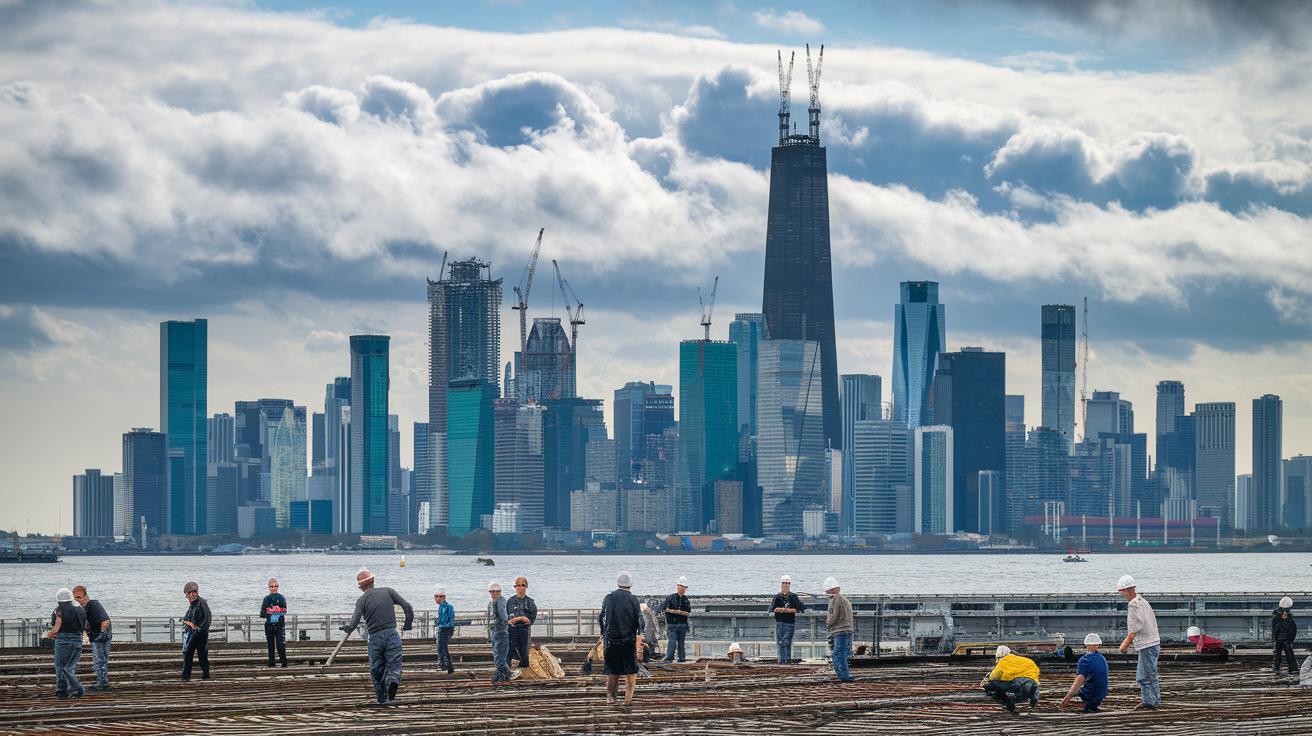
During the Take-Off stage, economies really pick up speed. GDP growth can jump past 5–7%, and investments often rise to over 10% of the country's income. Imagine a mid-sized nation growing by more than 7% in less than five years, that kind of momentum changes everything.
Manufacturing kicks into high gear during this phase, drawing many people to cities in search of new job opportunities. Factories ramp up production quickly, while infrastructure improvements keep pace with the growing demand. This busy period not only changes city skylines but also shows a strong commitment to modernizing production methods and local services.
Innovation plays a key role here. New technologies and better production methods boost efficiency, acting as a catalyst for further growth. These advancements create a cycle where reinvestment in tech and infrastructure keeps the industrial economy vibrant and competitive.
Drive to Maturity Stage in Rostow’s Development Model
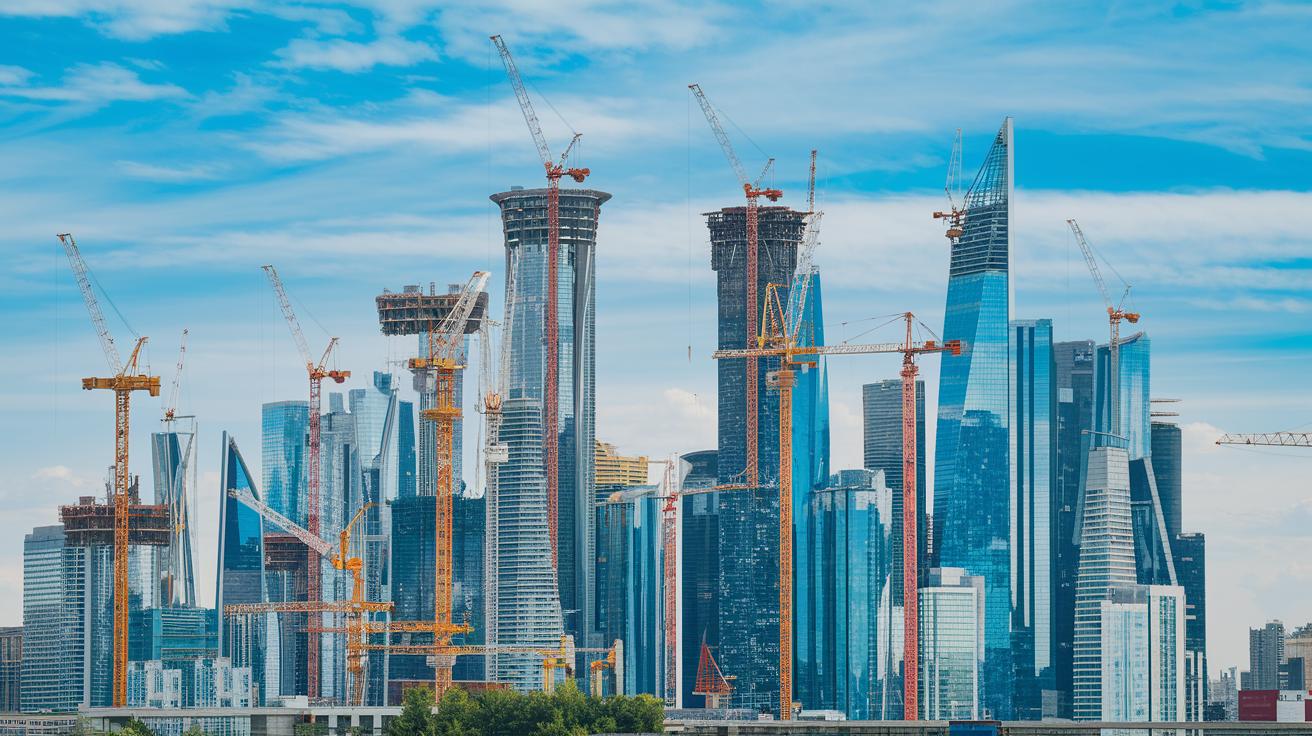
At this stage, economies start growing beyond just heavy manufacturing. Businesses branch out into areas like technology, finance, and various services, which helps keep growth steady even if one sector runs into trouble. They begin incorporating advanced tech into production bit by bit, improving efficiency everywhere. Imagine it like stacking different blocks, each piece adds balance and strength. Even older industries get smarter by using fresh innovations, making them more competitive on the world stage.
During this phase, there's also a big push for modern infrastructure. Countries invest in better transport systems, energy grids, and communication networks that link local markets to global trade hubs. This robust spending not only strengthens local supply chains but also draws top firms from around the globe. Cities transform into vibrant service centers as smooth infrastructure paves the way for new business practices, connecting communities in a truly global network.
Age of High Mass Consumption in Rostow’s Economic Growth Stages
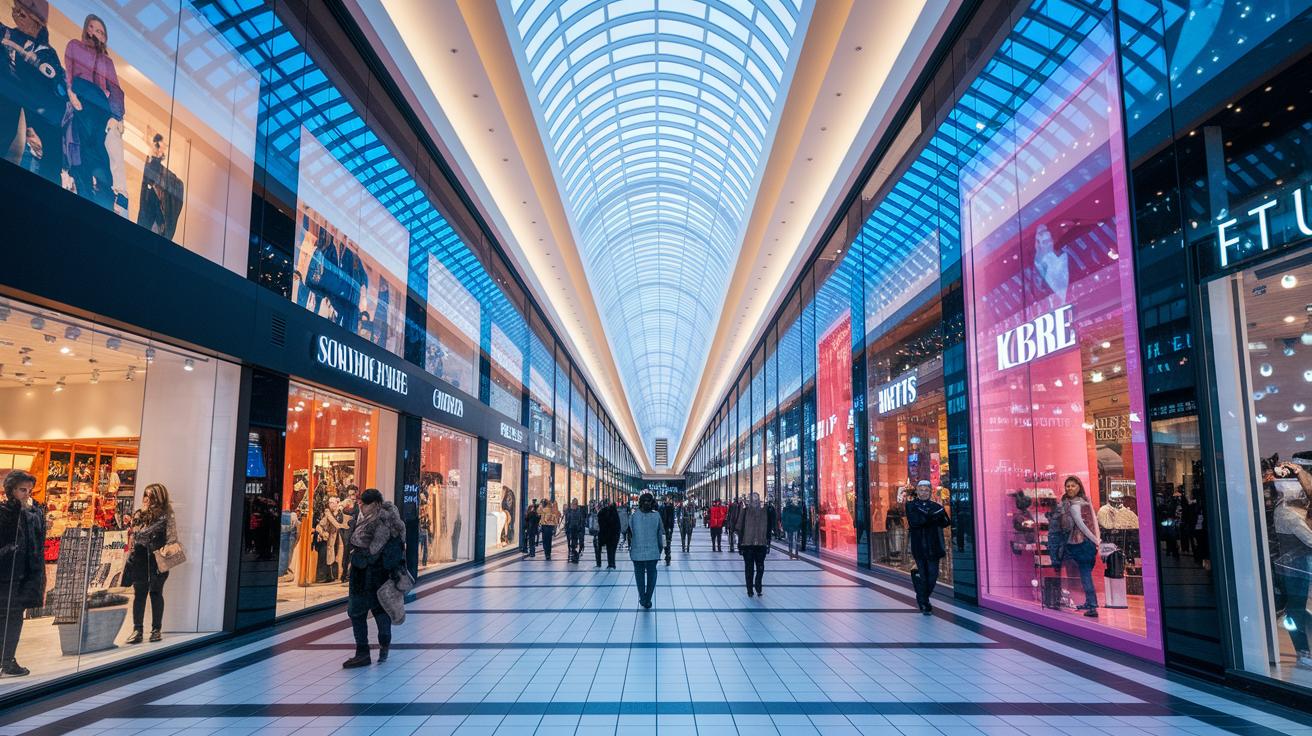
In this phase, our living standards jump up and our shopping habits shift noticeably. As people earn more money, they find themselves with a wider selection of goods and services. What used to be everyday essentials often turns into luxuries or leisure activities. After World War II, Western countries saw this trend take off thanks to better paychecks and a growing desire for more convenience and quality in daily life.
As economies grow, they start to focus less on heavy industrial production and more on services and consumer goods that brighten our everyday life. Companies begin making things that boost our lifestyles such as cars, home appliances, and fun gadgets. Businesses change how they produce things to match a market that craves more variety and quality. It’s like they’re fine-tuning their operations to better serve everyday consumers.
Global trade and money moving across borders keep this trend going strong. Different international markets connect smoothly, and global investments help boost local consumer products. This wave of globalization highlights how the focus on consumers shapes our economic progress, reminding us that how we spend our money can really change the economic picture worldwide.
Critiques and Comparative Views on Rostow’s Stages of Economic Growth
Rostow’s theory has sparked lively debates among scholars who see it as too neat and tidy for the messy real world. People argue that its step-by-step format oversimplifies history and society. It leans toward Western experiences, often missing the unique local factors and institutional quirks of different places. Experts say that not every country follows this orderly path, some might even skip steps or take a few steps back. This rigid view has led many to call for models that appreciate the varied ways nations develop.
Here are some common criticisms:
| Issue | Description |
|---|---|
| Oversimplification | It reduces complex histories to a simple list of stages. |
| Disregard for Institutions | It doesn’t give enough credit to local governments and unique cultural factors. |
| Stage-skipping | Many nations don’t strictly follow the sequential steps. |
| Eurocentrism | It often reflects Western experiences and overlooks other perspectives. |
| Determinism | The model assumes a fixed, one-way path of growth. |
On the other hand, dependency theory challenges this orderly view by highlighting how a country's growth is tied to its connections with richer, dominant economies. This idea suggests that where a nation fits into the global network can either boost or hinder its progress, pointing to an unequal sharing of power and resources.
Then there’s endogenous growth theory, which argues that a country’s internal factors, like innovation, education, and strong institutions, are what really drive long-term progress. It paints a picture of growth fueled from within, rather than one dictated by a preset list of stages.
These debates remind us that economic development is a complex, winding journey. Isn’t it intriguing how different perspectives can shed light on the many paths a country might take to achieve prosperity?
Rostow stages of economic growth: Bright Insights
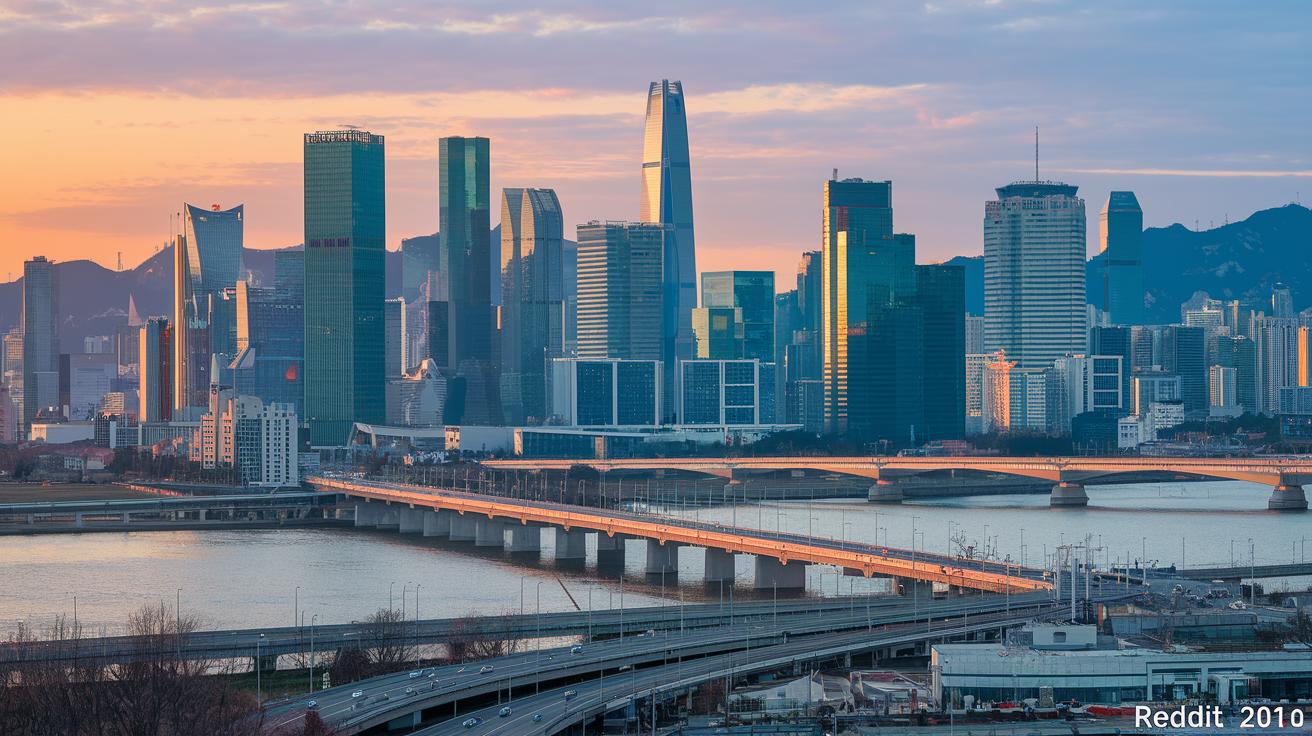
Empirical testing shows us that Rostow's model really works. Real-life examples help us see the abstract growth stages in action. When we look at how South Korea and Singapore moved through critical changes, it feels a bit like watching a blueprint come to life, from a quick burst of growth to a mature, consumer-driven society. Quick policy moves in these countries sparked fast economic changes that still guide development plans today.
South Korea’s story is pretty impressive. In the late 1900s, the country focused on boosting exports and invested heavily in new technology. This approach pushed GDP growth to over 7% each year. It moved steadily from an early, rapid industrial take-off to a period of big infrastructure projects and technical innovations. This surge turned factories into powerful growth engines and transformed cities into busy centers of industry.
Singapore offers an equally striking change, especially after 1965. By focusing on fast urban development, building strong infrastructure, and attracting foreign investors, this small nation reshaped itself into a modern metropolis that now supports 5.5 million residents. Its high per-capita income, on par with many well-known European countries, shows just how carefully it managed its transition through Rostow's stages.
Both examples show that, despite differences in culture and history, smart policy decisions and targeted investments can set an economy on the growth path outlined by Rostow. These clear, bright examples not only back up the model’s key ideas but also highlight how careful planning can help a nation raise living standards and stay competitive on the global stage.
Policy Implications of Rostow’s Development Stages

Rostow’s framework acts like a roadmap for countries to tailor their policies based on their current stage of growth. Governments can design plans that really hit home by addressing specific economic needs. For example, during the Take-Off phase, methods like import substitution can give local production a much-needed boost. Later on, as economies transition, policies shift, export promotion lights up the Drive to Maturity, while fostering consumer markets becomes the hallmark in the Age of High Mass Consumption.
At each stage, different policy tools come into play. In the Take-Off stage, targeted incentives support local industries and help reduce reliance on imported goods. Then, when it’s time to move into the Drive to Maturity, governments might kick in with fiscal support and infrastructure investments, making sure local enterprises stay competitive on the world stage. And as nations navigate the Age of High Mass Consumption, the focus turns to strengthening consumer markets, streamlining regulations, and widening access to top-notch goods and services. Education, skill-building, and technology adoption also play a big role in these strategies, often with public-private partnerships lighting the way.
Balancing state-led efforts with private sector innovation is key. Sure, the government can lay down the essential groundwork, think infrastructure projects and social programs, but the private sector brings in fresh ideas and nimble growth. This kind of teamwork ensures that policies stay flexible and responsive, creating an environment where both public and business efforts work side by side to support steady progress.
Modern Sustainability and Adaptations to Rostow’s Growth Model
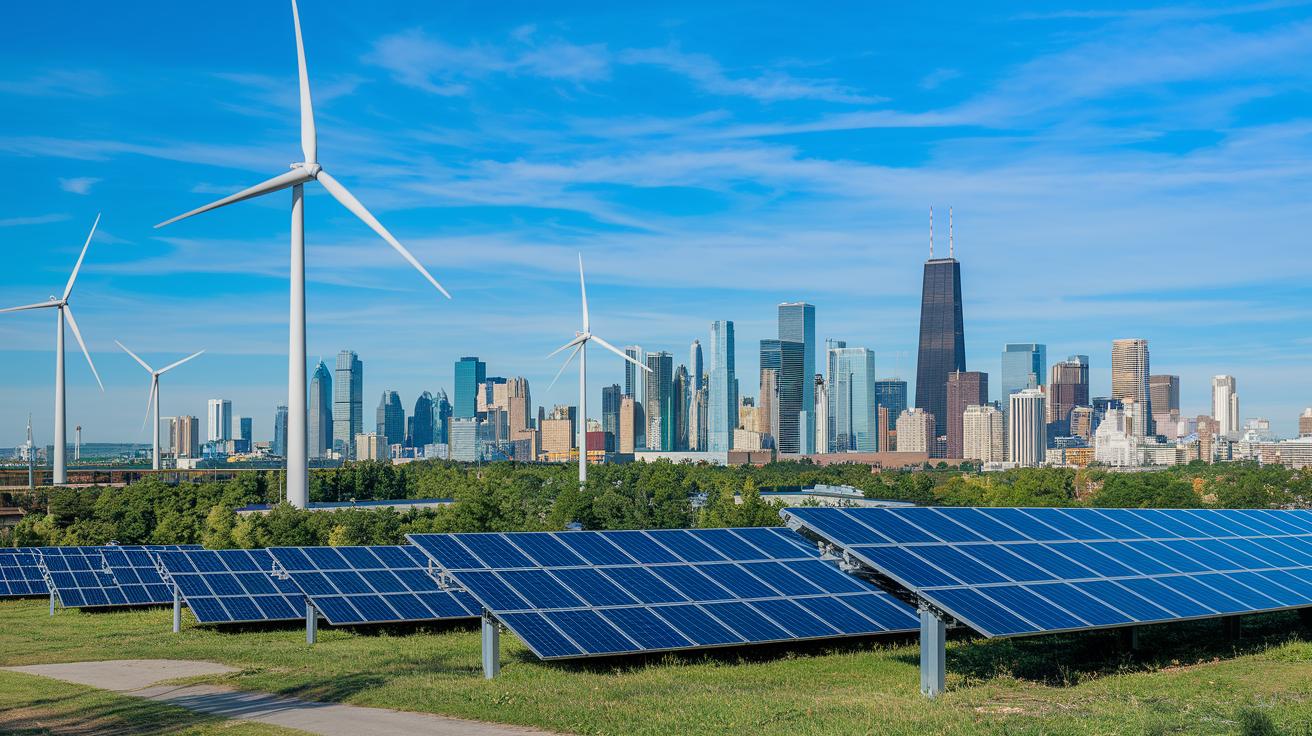
Some critics say that our old ideas of progress miss the mark today because they ignore the limits of our natural world. With natural resources shrinking and energy demands climbing, a simple step-by-step approach may not make the tweaks needed for our climate. It reminds us that growth shouldn't harm our planet, and every stage now needs to balance our economic actions with nature’s ability to keep up.
Policymakers today are blending classic growth ideas with bold digital and green changes. They’re using digital tools and clean energy sources together with traditional economic steps to build stronger climate plans. New ways of looking ahead mix proven markers with sustainability checks, helping leaders shape plans for fair growth and a healthier future while still borrowing from Rostow’s model.
Final Words
In the action, this blog post mapped out shifts from agrarian setups to vibrant consumer markets, highlighting each phase along the way. The discussion offered clear insights into early economic changes, the burst of industrial activity, and modern policy updates. It broke down how each stage connects to innovative growth and environmental challenges, giving us relatable snapshots of progress. By spotlighting the rostow stages of economic growth, the post leaves us optimistic about how economies can build smarter, more inclusive futures.
FAQ
What does the Rostow model outline?
The Rostow model outlines a clear path of economic growth from traditional society to high mass consumption. It explains how nations progress through distinct stages of change.
What are Rostow’s five stages of economic growth?
Rostow’s five stages include traditional society, preconditions for take-off, take-off, drive to maturity, and high mass consumption. This framework offers a structured method to view economic progress.
What examples illustrate Rostow’s stages of economic growth?
Examples like South Korea’s export-led growth and Singapore’s rapid urban development show how economies move through stages by increasing industrial production and modernizing infrastructure.
What is the take-off stage in Rostow’s model?
The take-off stage marks the period of rapid industrial growth, where manufacturing surges, urban areas expand, and innovations drive significant changes in economic structure.
Are Rostow’s stages still applicable in modern economies?
Rostow’s stages remain useful for outlining economic development, though some argue that the model may simplify the varied growth patterns seen in today’s global economy.
What is meant by Stage 4 or Stage 6 in Rostow’s model?
Rostow’s original theory defines only five stages. References to a Stage 6 are extra interpretations and are not part of his established framework.
How do Rostow’s stages compare with the global economy’s phases?
Rostow’s stages focus on a nation’s progress through set steps, while global economic phases may vary. The model provides a starting point for discussions on economic development methods.


