
Have you ever wondered why countries like the United States and China seem to lead the world? These nations mix strong economies, powerful militaries, and influential cultures to shape global trends and policies.
Some say their power comes not only from their size but also from smart investments and careful partnerships. Today, let’s look at the key parts of their strength: economic power, military might, political influence, and cultural impact.
It’s amazing how each of these elements comes together to command attention and drive big changes in our connected world.
Defining Global Superpowers: Criteria and Key Dimensions
Global superpowers are countries that hold a big influence over world events. They mix strong economies, powerful militaries, and vibrant cultures to shape international policies and set global trends. Think about the United States and China, they earn their status by showing massive economic output and robust military assets.
To pin down what makes a superpower, we break the idea into parts that we can measure. We look at things like economic trends, military strength, trade numbers, and even the power each person holds. These bits of data help us see past shifts, understand today's order, and even guess what might happen next. For instance, charts that track economic trends from 1985 to 2024 give us a clear picture of how lasting competitiveness is built over time.
The key factors are:
- Economic scale
- Military capability
- Political influence
- Cultural reach
By pairing these factors with solid numbers, such as overall GDP, defense spending, strong diplomatic ties, and even soft power measures like media presence and educational influence, we get a complete view of a nation’s global might. Each factor feeds into a broader framework that not only defines a superpower but also sets the standard for measuring its ongoing impact on the world stage.
Historical Timeline of Global Superpowers and Power Transitions
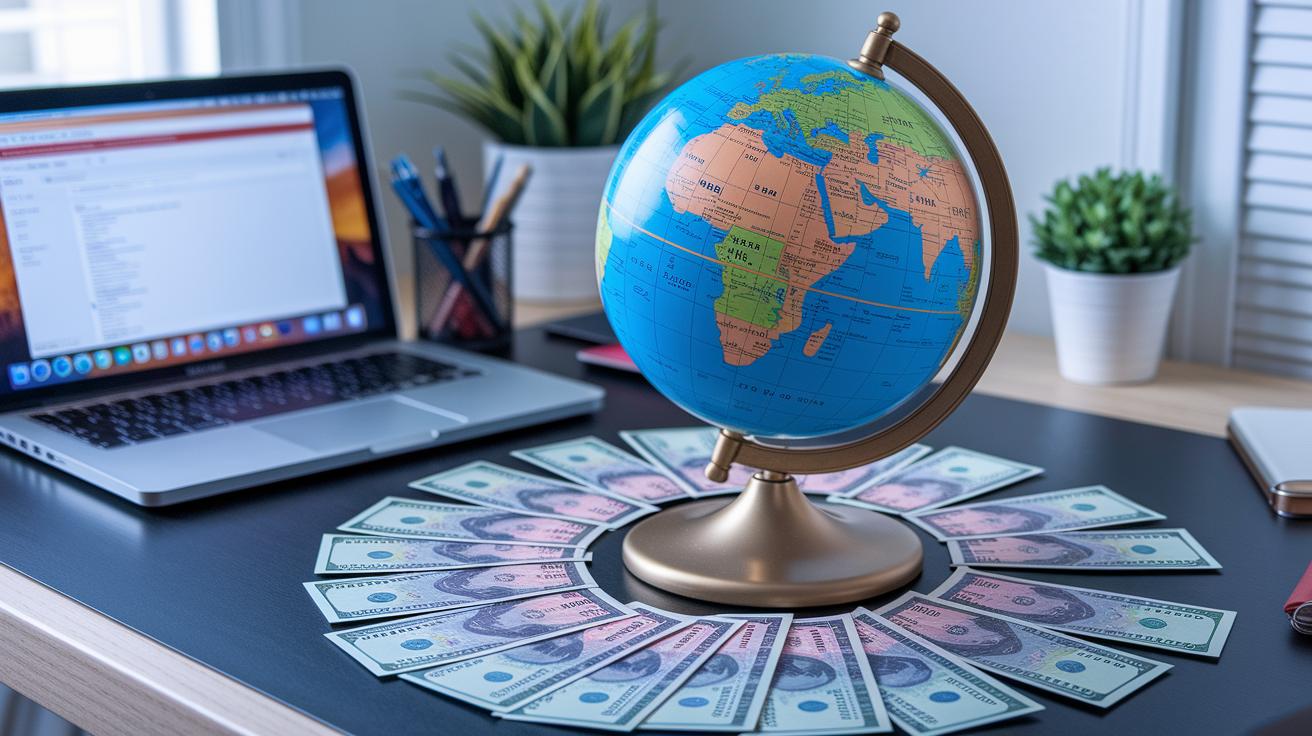
History shows us that power shifts are linked to changes in trade, technology, and military strength. When we look back, we see why countries rise and change with the times. Every era has its own story, built on fresh ideas and big changes that affected the world. For instance, growing industrial and maritime trade built early global links, setting the scene for later conflicts and teamwork.
| Period | Leading Power | Key Influence |
|---|---|---|
| 18th–19th C | British Empire | Maritime trade and industrial output |
| 1945–1991 | United States & Soviet Union | Ideological rivalry, nuclear arms |
| 1991–Present | United States & China | Globalized markets, technology leadership |
Our past shows that no country holds power forever. A nation’s strength comes from its ability to change with new economic trends and technological breakthroughs. History tells us that key shifts, from sea trade to modern tech, paved the way for new leaders. By looking at these timelines, we gain useful insights into today’s power struggles and can even guess how future challenges might change who leads the world.
Current Superpower Rankings and Global Influence in 2024
In 2024, five major players are steering the world with strong economies, powerful militaries, and busy trade networks. The United States leads with a dynamic economy and high defense spending, setting the stage for global interactions. China isn’t far behind either, thanks to rapid modernization and a booming market that earn it a solid spot among the key players. The European Union shows off steady innovation and economic consistency, while Russia banks on its military might and rich natural resources. And then there's India, drawing attention with a growing market and smart investments that boost its global influence.
Experts use a mix of total figures and per-person adjustments when ranking these nations. This approach gives us clear insights into each country’s true efficiency. For instance, the United States and China might boast impressive overall numbers, but looking at per capita data reveals how effectively they use their resources. Meanwhile, European countries shine with high per-person performance in technology and trade, adding extra layers to their global weight.
Visual data plays a big role in these rankings. Analysts have put together charts that show everything from stock market ups and downs since 1985, to gold returns tracked between 2000 and 2025, all the way to GDP forecasts through 2034. These clear visuals help us understand the shifts in economic momentum and military spending over time. By connecting long-term trends with today’s per-person metrics, experts can spot changes in global power and see how international influence is evolving in our modern world.
Economic Influence of Global Superpowers: Financial and Trade Dominance
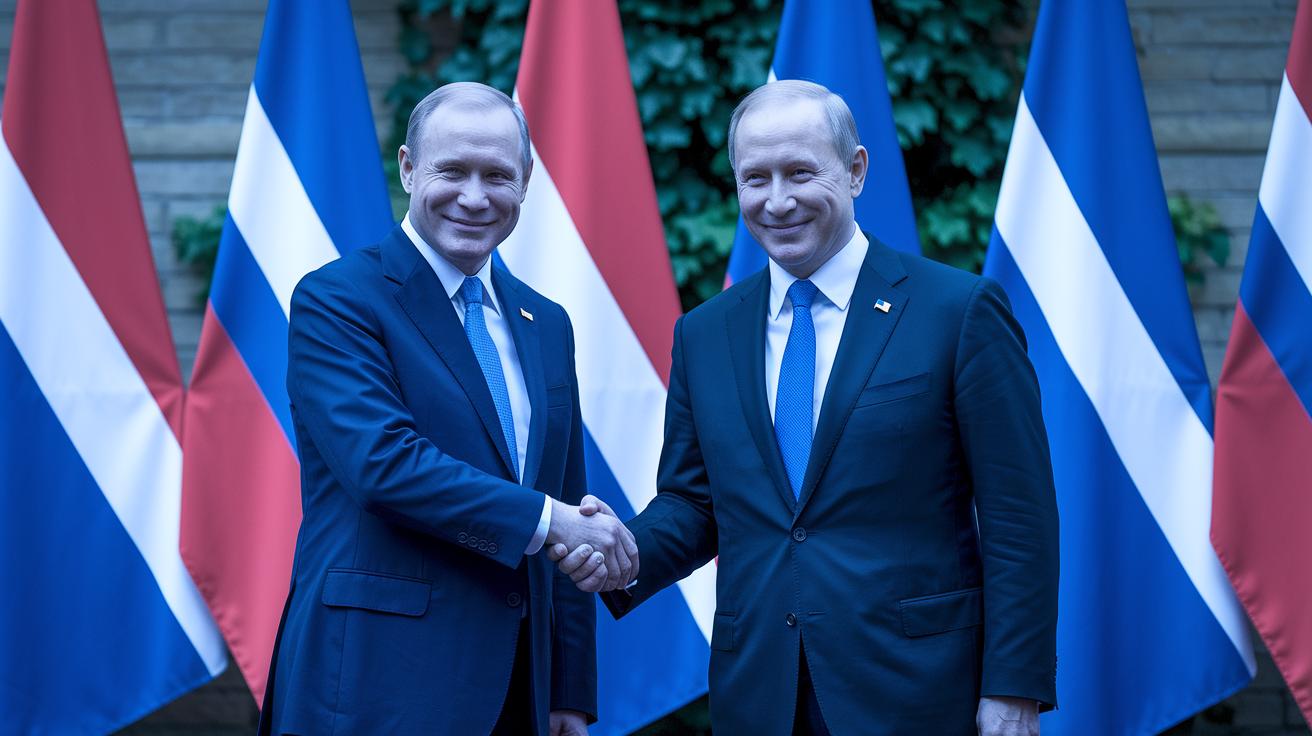
Global superpowers show off their strength with huge GDP numbers and solid growth forecasts. When you look at charts predicting GDP trends until 2034, it’s easy to see these nations’ enduring financial muscle. These numbers mean they can comfortably invest in technology, infrastructure, and community programs. Plus, stock market trends and gold returns reveal how well these countries handle economic ups and downs, giving us a clear picture of their future global impact.
Trade is another strong suit for these nations. Their balanced trade, variety in exports, and complex global value chains all work together to build resilient markets. Experts say that strong trade figures are a cornerstone of a country’s global standing. Goods move easily across borders, fostering long-term partnerships that boost each nation’s economic influence. For more detailed insights, many look to the global trade economic outlook.
Even in unpredictable markets, data like coal production and solar power capacity help measure financial stability. By tracking things like rapid stock market shifts and steady gold returns, it becomes clear that mixing traditional and renewable energy sources plays a big role. All these factors together prove that a diversified approach to trade keeps these economies on solid ground.
Military Strength of Global Superpowers: Strategic Capabilities and Budgets
In 2022, we saw some huge contrasts in how global superpowers spend on defense. The U.S. spent an eye-popping $778 billion, while China set aside $252 billion, and Russia spent a much smaller amount at $65 billion. These figures show how committed each nation is to building strong security systems and updating their military gear.
The U.S. has a vast, high-tech military that can operate virtually anywhere on the globe. China, on the other hand, is rapidly growing its military power with modern equipment and intensive training. Russia sticks to a more focused approach, using specialized units that are built for quick, effective responses. Each country is investing in the newest technology, making their forces ready to handle a wide range of challenges.
Nations also boost their military effectiveness by forming strategic alliances. Teaming up with other countries helps them share resources and valuable intelligence. Forward bases, military posts set up in other countries, make it possible to quickly deal with emerging threats and keep a steady presence abroad. These partnerships allow for joint training and better compatibility between different forces. In the end, these tactics not only strengthen national defense but also extend each country’s influence in a changing global landscape.
Cultural and Technological Leverage of Global Superpowers
Countries today lean on culture as a key way to connect with people around the world. They invest in media channels, education exports, and events that showcase their language, art, and traditions. Take international film festivals and academic exchange programs, for example. These events not only build goodwill but also open doors for working together across borders. It’s a soft, friendly way to make lasting ties, more about winning hearts through art and shared values than about politics or military power.
On the tech side, putting money into research and development sparks fresh ideas and major breakthroughs. World leaders fund projects like powerful AI systems, biotech advances, and innovative digital tools. They also back STEM education initiatives, aiming to build a skilled workforce for tomorrow’s challenges. This focused spending drives economic growth and keeps these nations at the cutting edge of new technologies. In a nutshell, strong investment in R&D fuels a cycle of innovation that boosts their global influence.
Emerging Global Superpowers: Forecasting the Next Generation
India, Nigeria, and Indonesia are on track to change the global landscape. Experts say their economies will grow strongly through 2034, thanks to bustling cities and a young, energetic workforce. These trends hint that they might soon rival the older superpowers, both in their local regions and on the world stage.
These countries are also shaking up how energy is made. More money is going into solar, wind, and other clean energy projects, and that shift is making a real difference. Recent reports show that moving away from traditional energy sources not only supports steady growth but also sets the stage for a healthier environment.
Technology, smart financial moves, and fresh international partnerships are all part of the story. These nations are investing in digital tools and advanced manufacturing, which boost both efficiency and competitiveness. Meanwhile, new financial reforms and innovative ideas are modernizing old industries, and global trade and research ties are growing stronger. All these factors together paint a picture of a future where these emerging powers lead with new ideas and vibrant energy.
Final Words
In the action, the post mapped out how global superpowers are measured. It explored clear criteria like economic scale, military capacity, political influence, and cultural reach while recounting historical shifts that shaped power transitions. The analysis covered current rankings through numerical strength and charts, eyeing trends in defense budgets, trade flows, and tech innovations. Emerging players bring fresh energy, hinting at future shifts. The road ahead for global superpowers looks bright, promising lively debate on power dynamics and progress.
FAQ
Q: What does the global superpowers list, including the 5 superpowers and the #1 world superpower, represent?
A: The global superpowers list refers to the nations with vast economic, military, political, and cultural influence. The top five often include the United States as the leading world superpower due to its extensive resources.
Q: What does Wikipedia say about global superpowers?
A: Wikipedia defines global superpowers as countries with dominant economies, substantial military capacity, widespread cultural impact, and strong political influence on international affairs.
Q: How do world superpower rankings and projections for 2025 work?
A: World superpower rankings consider metrics like economic output, military strength, and trade volume. Projections for 2025 show shifting influence as emerging economies grow and challenge established powers.
Q: What are some synonyms and examples of global superpowers?
A: Synonyms for global superpowers include dominant states and influential nations. Examples are the United States, China, and the European Union, which showcase strong economic, military, and cultural influence.
Q: What are the 7 world power countries?
A: The 7 world power countries commonly include major nations like the United States, China, Russia, India, Germany, Japan, and the United Kingdom, each playing pivotal roles in global affairs.
Q: Do global superpowers actually exist?
A: Global superpowers exist as countries that wield significant influence across multiple domains. Nations such as the United States and China exemplify this status through their economic, military, and cultural impact.
Q: What might be considered the next global superpower?
A: The next global superpower is forecast based on rapid economic growth and strategic political alliances, with emerging contenders like India potentially reshaping future balance and influence on the world stage.
Q: How is the term “global superpowers” used in manhwa?
A: In manhwa, “global superpowers” describe fictional entities or characters with extraordinary abilities, mirroring real-world power dynamics in imaginative and dramatic storytelling.


