
Have you ever thought about how government decisions can steer the economy like a driver navigating a curvy road? Discretionary fiscal policy does just that. It means the government makes deliberate changes in spending and taxes to help keep the economy balanced. This approach lets leaders focus on problem areas, create new jobs, and keep prices steady when the market gets shaky. Today, we'll talk about how these smart fiscal moves can lead to smoother economic performance and offer practical solutions during uncertain times.
Defining Discretionary Fiscal Policy and Its Role in Economic Stabilization
Discretionary fiscal policy is when the government actively changes its spending and tax rates to help steer the economy. When things start to shift, leaders decide whether to spend more or adjust taxes to boost or cool down demand. Unlike automatic actions that run on their own, these moves are made deliberately. Think of it like starting a public works project or tweaking tax incentives to steady the market during tough times.
Government officials use their budgeting power to address specific economic challenges. They might cut taxes here or increase spending there to nudge overall demand in the right direction. Picture a city quickly fixing up its roads and parks to create jobs and boost local businesses. These carefully planned moves are designed to give the economy a timely boost or help calm things down when necessary.
By changing spending and tax policies on purpose, governments can focus on the areas that need help or a little cooling off. This countercyclical approach (working opposite to the economic cycle) smooths out the highs and lows we see in our economy. Leaders aim for full employment, steady growth, and stable prices by matching their actions to current conditions. It’s a hands-on strategy that offers real solutions during times of rapid change and uncertainty.
Discretionary fiscal policy lets governments take smart, timely action instead of just waiting for automatic changes to take over. This approach lets decision-makers tailor policies for quick fixes and long-term balance. In short, it’s a practical way to manage the ups and downs of the economy.
Key Mechanisms Behind Discretionary Fiscal Policy
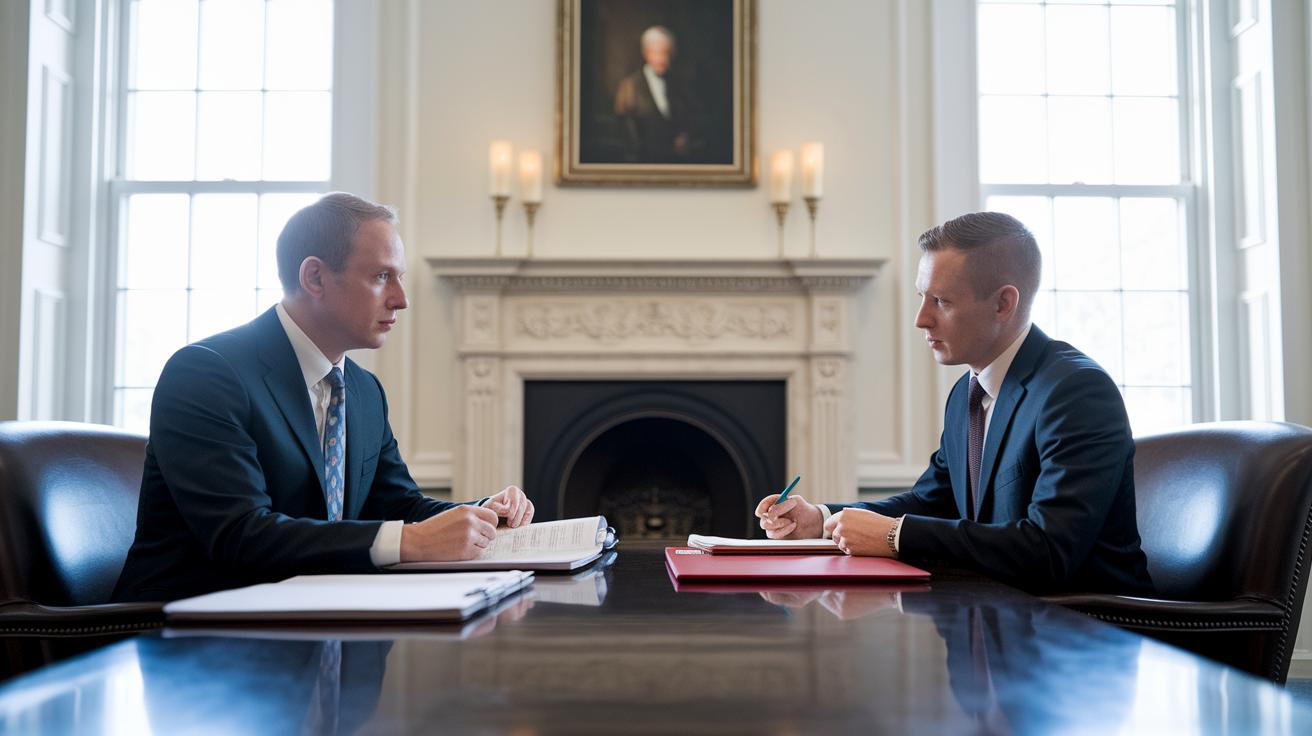
Discretionary fiscal policy is all about the government actively spending money and tweaking taxes to help manage the economy. When things slow down, governments might launch projects like fixing roads and bridges, much like a city repairing its sidewalks to boost job opportunities and support local businesses. They also use tax breaks or credits to ease money troubles for families and companies.
Before these measures really show results, policymakers go through a few steps. First, there’s a recognition lag, that’s the time needed to spot changes in the economy. Then, after noticing these shifts, lawmakers work on passing new rules, which creates an implementation lag, sort of like setting the stage before construction begins. Finally, the impact lag kicks in, meaning it takes time for the benefits (like increased spending after a tax cut) to fully spread out over the economy.
Quick action is important, yet these changes don’t take effect right away. Officials must carefully time each step to support steady growth without causing too much inflation or piling on unsustainable debt. Every phase, from noticing economic signs to seeing improvements in everyday life, plays a crucial role in stabilizing the economy.
Discretionary Fiscal Policy Versus Automatic Stabilizers
Automatic stabilizers are like a ready-response team. They jump into action on their own when the economy changes, much like a thermostat that keeps a room at the right temperature without anyone fiddling with it. For example, when many people lose their jobs, programs like unemployment benefits and progressive tax adjustments start helping out immediately, no new law needed. This built-in system is steady, continuous, and quick to react.
Discretionary fiscal policy, however, depends on deliberate choices. Lawmakers and officials must come together and talk through decisions to change spending or adjust tax rates. Think of it like a city council meeting where officials carefully plan a new spending program to boost local jobs. Sometimes, policymakers even face lengthy debates and tactical votes before a new program can start. While these choices are flexible and can be tailored to meet specific economic needs, they often respond more slowly compared to the steady help provided by automatic measures.
Expansionary and Contractionary Discretionary Fiscal Policy Explained

When the government wants to give the economy a boost, it might choose an expansionary approach, this means spending more money or cutting taxes. Imagine a time when a smart tax cut sparked such a jump in spending that local shops saw their sales rise noticeably. It’s like adding a little extra wood to a fire that’s almost going out, helping to keep things lively and reducing unemployment.
On the flip side, when the economy starts to overheat and prices begin to climb too quickly, the government might adopt a contractionary policy. This means pulling back by reducing spending or increasing taxes. Think of it as turning on a cooling fan when an engine starts to get too hot. This helps keep prices stable and ensures the economy doesn’t run too wild.
Deciding which policy to use depends on what’s happening in the economy at the moment. If inflation is rising or unemployment is spiking, policymakers might lean one way or the other. For instance, there was a time when cutting back on spending helped slow down price increases during a period of rapid growth. Each choice is a careful tool to help smooth out the ups and downs of the economic cycle.
Discretionary Fiscal Policy: Smart Economic Action
Real-life examples prove that a government’s targeted actions can pull an economy out of a slump. When times get tough, smart spending shifts and simple tax changes help boost demand. For example, during the Great Depression in the 1930s, the U.S. launched major public works projects to create jobs and revitalize communities. These actions not only cut unemployment but also set the stage for long-lasting recovery.
Likewise, during the 2008–09 recession, the United Kingdom showed that careful spending boosts can steady an economy. Instead of waiting for the market to fix itself, the government pumped money into key areas, building confidence and easing financial strain for households and businesses alike.
And more recently, the U.S. CARES Act in 2020 mixed tax rebates with better unemployment benefits. This quick move helped keep spending steady during the COVID-19 crisis, stopping a more dramatic drop in the economy. It’s a solid reminder that well-timed fiscal choices can really make a difference.
| Period/Economy | Policy Action | Outcome |
|---|---|---|
| 1930s Great Depression, U.S. | Launched public works projects (like the Tennessee Valley Authority) | Lowered unemployment and sparked growth |
| 2008–09 Recession, U.K. | Expanded government spending to stabilize recovery | Boosted market confidence and jump-started key sectors |
| 2020 COVID-19 Downturn, U.S. | Combined tax rebates with enhanced unemployment benefits | Kept spending stable and eased economic pressures |
Discretionary Fiscal Policy: Smart Economic Action

In tough economic times, smart government moves can boost investor trust. In the past, tax cuts and careful spending, like kickstarting public works projects, gave local economies a quick boost and showed that leaders were serious about stabilizing markets.
This approach has real perks while also posing some challenges. For example, targeted demand support means that when consumers slow down, a timely tax cut can help companies hire more locally. It’s a bit like fine-tuning a recipe to get it just right. Flexibility also matters; officials can adjust spending or tax rates based on the unique needs of a slowdown. And there’s the confidence effect, where actions like a well-planned public project remind investors that decision-makers are on the ball.
Yet history reminds us of some bumps along the road. Higher deficits can occur, similar to putting extra charges on a credit card when costs unexpectedly rise. Political delays might slow things down, much like waiting for an urgent vote in a committee. And extra government borrowing can sometimes crowd out private investments, sidelining smaller ventures.
When we blend past examples with these insights, it’s clear that while discretionary fiscal policy offers a quick economic boost, it calls for careful balancing to keep long-term finances healthy.
Integrating Discretionary Fiscal Policy with Monetary Actions
When governments use spending and taxes together with central banks adjusting interest rates, the economy can get a much-needed boost. It’s like two parts of one team working together. For example, imagine a government starting new public projects at the same time a central bank lowers rates. One small fiscal boost combined with a rate cut helped a community bounce back after an economic slump, much like adding a spark to a fading flame.
This joint effort makes full use of fiscal multipliers (the extra spending each government dollar can generate) along with the natural channels of the monetary system. When the people in charge of finance and central banking talk things through, they speed up recovery and steady the markets much better than working alone. Those meetings help ensure that spending plans and rate changes support each other, making the economy more responsive.
By syncing government spending with central bank moves, policy makers can react sharper when troubles hit. In short, when challenges come up, this combined strategy offers a stronger response that balances growth and keeps everything on track.
Challenges and Future Trends in Discretionary Fiscal Policy

We rely on ongoing studies, like multiplier research, to help shape smarter spending and tax plans for the future. Lawmakers collect fresh economic info and watch how spending and tax tweaks affect the whole system, so they can plan interventions at just the right time. This careful data gathering lets us see how small changes send ripples through the economy.
Recent reports have raised worries about long-term debt and cloudy policy plans. There's a heated debate over finding the right balance between boosting spending and tightening controls. Even a tiny misstep in a spending package can spark questions about fiscal responsibility, sometimes slowing down needed moves, while at other times, quick decisions spur rapid market reactions.
Experts are clear: we need solid checks to keep track of how these fiscal moves turn out. In the future, we might see more flexible rules and creative fiscal tools that help us navigate choppy economic waters. As the economy shifts, up-to-the-minute data paired with steady analysis will guide decisions that balance immediate recovery with lasting growth. It suggests a policy framework that adapts with changing times while keeping overall fiscal health in check.
In short, progress keeps on moving.
Final Words
In the action, we explored how targeted tax shifts and controlled government spending work to stabilize the market. We covered the basic idea of discretionary fiscal policy, its key tools, and the differences between selective government actions and built-in supports. Historical cases and trade-offs in performance were put under the spotlight, highlighting both the potential benefits and challenges ahead. The horizon looks bright as policymakers refine discretionary fiscal policy to support steady economic growth and resilient communities.
FAQ
What is an example of discretionary fiscal policy?
The example of discretionary fiscal policy shows how the government may start a targeted infrastructure program or temporarily cut taxes to boost spending and lift economic activity during a downturn.
What is non-discretionary fiscal policy and can you give an example?
Non-discretionary fiscal policy, also known as automatic stabilizers, includes measures like unemployment benefits that automatically adjust spending without additional legislative actions, helping stabilize the economy.
How does discretionary fiscal policy differ from automatic stabilizers?
Discretionary fiscal policy requires new government decisions to adjust taxes or spending, while automatic stabilizers work on their own, adjusting financial flows in response to economic changes without extra interventions.
What are the pros and cons of discretionary fiscal policy?
Discretionary fiscal policy can provide targeted support to stabilize demand and boost confidence but may lead to higher deficits, implementation delays, and potential crowding out of other spending initiatives.
What discretionary fiscal policy actions can help reduce inflation?
To curb inflation, discretionary measures might involve raising taxes or curtailing government spending, steps that help cool consumer demand and slow down rising price levels.
Is discretionary fiscal policy the same as contractionary fiscal policy?
No, discretionary fiscal policy is a broader term; contractionary fiscal policy is one type that seeks to cool the economy by reducing spending or increasing taxes, whereas discretionary actions can also aim to stimulate growth.
Why did discretionary fiscal policy fall out of favor in some instances?
It lost favor at times because of concerns over rising deficits, the slow pace of policy implementation, and political difficulties that made swift and effective responses challenging during economic shifts.
How is discretionary fiscal policy typically defined in study aids like Quizlet?
Common definitions state that discretionary fiscal policy involves deliberate government decisions to adjust spending and taxes in response to economic fluctuations, actively managing demand to stabilize the economy.


