
Ever wonder if the rules around you are made by faraway officials while everyday people sit out? A referendum turns that idea on its head. It lets you have a say in making the laws that govern your community. Instead of only letting elected representatives decide everything, you get to vote on big issues directly. In this post, we'll explain what a referendum is in simple, everyday language. Get ready to see how your yes or no vote can truly change the laws that affect your life.
Defining a Referendum: Citizen-Led Lawmaking Explained
A referendum is a way for everyday people to have a direct voice in making laws. Rather than leaving all decisions to elected officials, this process lets you help choose the rules that shape your community, kind of like picking your favorite school lunch.
It shows what direct democracy is all about by putting the power right in our hands. With a referendum, you get to check on your government by saying yes or no to specific ideas, making sure the rules reflect what most people want.
In real life, referendums happen alongside regular elections. While elected leaders draft and debate laws, referendums provide a simple vote for the public to confirm or overturn these decisions. For example, there’s a short video titled “What is a Referendum?” from October 21, 2022. In just 1 minute and 30 seconds, with closed captions, it explains how referendums work and shows how important citizen votes are. You can watch it on devices like iPhone, Apple TV, Android TV, Amazon Fire TV, Roku, and Samsung Smart TV.
Historical Origins of Referendums in Governance

Back in the early 1800s, life in Switzerland was already buzzing with a new way of making decisions. In many Swiss cantons, residents gathered open meetings to vote on issues like local tax laws and public works. Imagine a small canton where folks came together and chose a new road project by simply raising their hands – a fresh idea that later paved the way for public decision-making everywhere.
By the end of the 19th century in the United States, a similar spirit had taken hold. South Dakota, in 1898, led the charge with a citizen-led vote that started to mold how government decisions were made. People wanted a direct say in the laws and policies affecting their daily lives. Local officials began setting up systems to gather and check the public’s view, showing everyone that ordinary citizens could help shape their own community's future.
Fast forward to the mid-20th century, and these direct votes became an everyday part of democracy around the world. Referendums were embraced far and wide, marking a big shift toward deeper public involvement in the way laws are made.
Types of Referendums: Popular Measure Outline
There are many kinds of referendums, each created for a specific goal. Communities can use them to review votes on laws, discuss big policy questions, or even decide on constitutional changes. Some of these votes are required by law, while others offer a chance for people to share their opinions or call for the removal of an elected official. This mix of options gives citizens a direct role in government decisions, working alongside regular lawmaking methods.
| Type | Purpose | Key Features |
|---|---|---|
| Mandatory Referendum | Votes required for major changes in laws or the constitution. | Results are binding, set by the constitution or laws, with clear rules. |
| Optional Referendum | Gives people a chance to challenge new laws they disagree with. | Starts with a petition; must meet a required number of signatures and public review. |
| Advisory Referendum | Collects public opinions on important policy or law ideas. | Non-binding vote that helps guide lawmakers on issues that are coming up. |
| Recall Referendum | Lets citizens remove an elected official if enough voters agree. | Begins with a petition; needs high voter turnout to be considered valid. |
In the world of laws and constitutional changes, mandatory referendums ensure that big changes get clear, binding approval from the public. Optional referendums give people the power to express their dissatisfaction with new laws they feel aren’t right. Advisory referendums act like a quick check for lawmakers, offering insights on what people really think about emerging issues. And recall referendums serve as a way to hold elected officials accountable between regular elections.
This structured system helps balance fresh ideas with careful review. It ensures that legislative and constitutional changes truly reflect the collective will of the people while keeping government actions in tune with public sentiment.
The Referendum Process: From Petition to Public Ballot

It all starts with a petition drive where community members collect signatures to support a new idea or change in the law. Organizers put in a lot of effort to hit specific legal targets, rules in place to filter out proposals that don’t have enough backing. These targets, which sometimes change after recent law updates (see analysis of recent electoral law changes), help ensure that only issues with strong community support make it forward. Every signature counts and shows just how much the community cares.
Here’s how the process works:
- Drafting the referendum question – This means writing the question or policy change clearly so everyone understands it.
- Petition submission – The draft question, along with the collected signatures, is handed over to the proper authority.
- Verification by the electoral commission – The commission checks the petition to make sure it meets all signature and collection rules (for more on how commissions manage reforms, check out this link).
- Official ballot placement – Once everything is verified, the referendum is officially added to the voting ballot.
- Vote administration – The final step where citizens cast their votes and decide the outcome.
Deadlines and campaign rules are a big deal in the process. Organizers have to stick to strict timelines when collecting and submitting signatures. There are also strict regulations about how long the campaign runs and exactly when the vote takes place. These rules keep everything organized and give everyone a fair chance to be heard.
Referendum Examples: Global Case Illustrations
Referendums give people a chance to weigh in on big social or political issues. They let communities vote directly on ideas that can really change the way things work.
Here are some examples:
- Brexit referendum (UK, 2016)
- Quebec sovereignty referendum (Canada, 1995)
- California Proposition 8 (USA, 2008)
- Ireland abortion rights referendum (2018)
- Swiss federal referendum on immigration (2020)
Each of these votes made a lasting impact. For instance, the Brexit vote reshaped British politics and its ties with Europe. In Canada, the Quebec referendum pushed independence into the spotlight. Over in California, Proposition 8 sparked heated debates about civil rights that spread far beyond the state. In Ireland, the decision on abortion rights opened new conversations about healthcare and personal freedom, affecting voter turnout in later elections. And the Swiss vote changed how national policies manage immigration and community integration.
It’s pretty clear that no matter what the topic, referendums let citizens play a direct role in shaping their country’s future. Isn't it fascinating how one vote can lead to such big changes?
Evaluating Referendum Impact: Benefits and Critiques
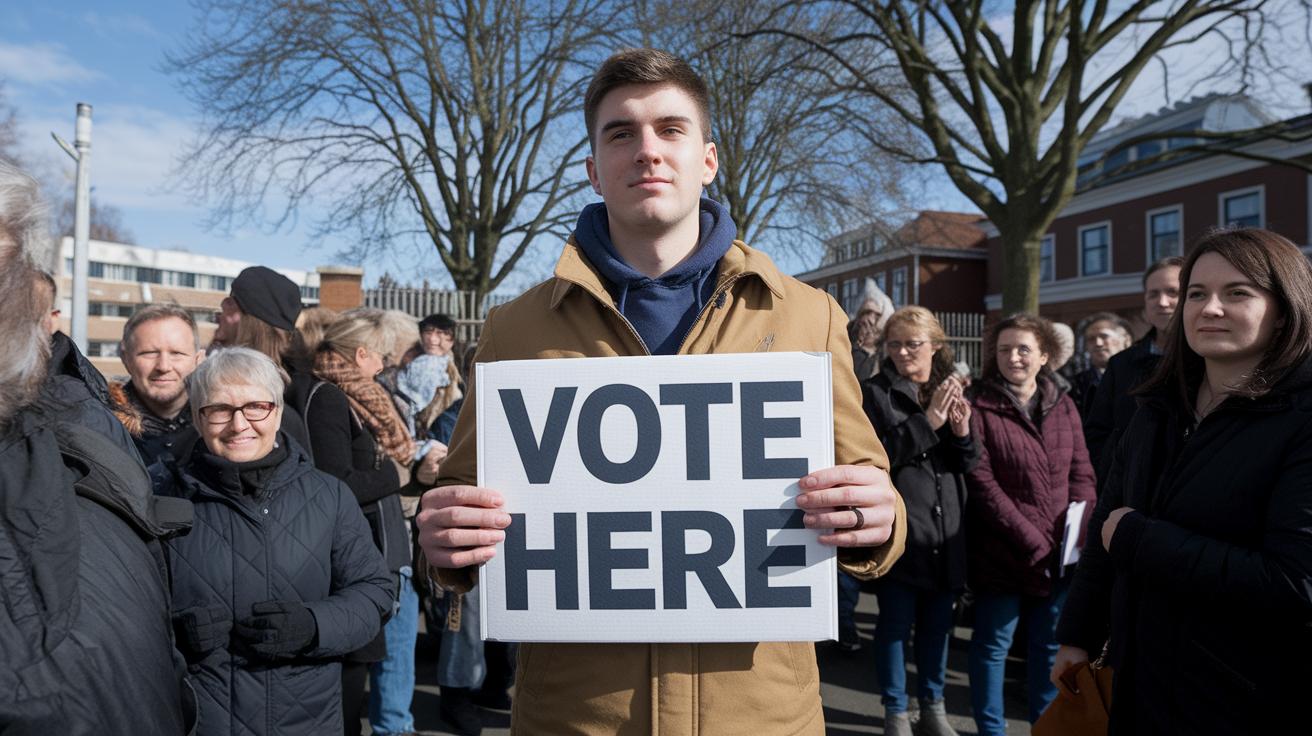
Referendums give everyday people a real say in how laws are made, letting them shape policies that touch their lives and communities. This direct involvement makes voters feel more responsible for the choices in public policy, while also sparking clearer, more engaging debates. It pushes government officials to be more transparent and responsive since they know many eyes are on their decisions.
Still, there are worries too. Some critics point out that big spending from interest groups and overly simple questions can skew the discussion. They say that when money talks, important issues might get watered down, leaving complex matters under-examined. Have you ever wondered if a simple question can really capture the full picture?
Referendums also add a lively twist to our traditional democratic process. They give citizens a timely chance to weigh in between regular elections, making leaders answerable all year round. Experts often suggest adding more checks to ensure that every vote comes from well-informed opinions. In the end, blending direct public input with detailed debates can help make our political system a bit more balanced and fair for everyone.
Final Words
In the action, we explored what a referendum is by breaking down its definition as a citizen vote process. We traced its history from early public votes to current methods and looked closely at the various types, including mandatory and optional measures. We also reviewed the standard steps from petition to public ballot. This clear concept of referendum definition helps us see how everyday votes can shape society. It feels good to know our voices play a direct role, inspiring hope and unity together.
FAQ
Q: What is a referendum in government?
A: The referendum means a process where citizens vote directly on laws, offering a form of direct democracy that lets everyday people shape government policies.
Q: What is a referendum as explained for Class 9?
A: The referendum is described as a public ballot where citizens decide on specific laws or policies, demonstrating a basic example of direct democracy for students.
Q: What does referendum mean in U.S. history?
A: The referendum in U.S. history refers to instances where voters directly approved or rejected laws, such as South Dakota’s 1898 measure, marking citizen impact on government.
Q: What is the purpose of a referendum?
A: The referendum serves to give citizens a direct vote on laws, ensuring that public opinion plays a crucial role in shaping key legislative and policy decisions.
Q: What are some historical examples of referendums?
A: The referendum examples include the Brexit vote (UK, 2016), Quebec sovereignty vote (Canada, 1995), California Proposition 8 (USA, 2008), Ireland abortion rights vote (2018), and a Swiss federal vote on immigration.
Q: What is the definition of a popular referendum?
A: The popular referendum is defined as a public vote where citizens directly decide on laws or policies, bypassing the usual legislative process to influence governance.
Q: What are the definitions of initiative, referendum, and recall?
A: The terms refer to citizen-led processes: an initiative allows people to propose laws, a referendum lets voters approve or reject laws, and a recall gives them power to remove officials.


